Last updated November 16, 2026
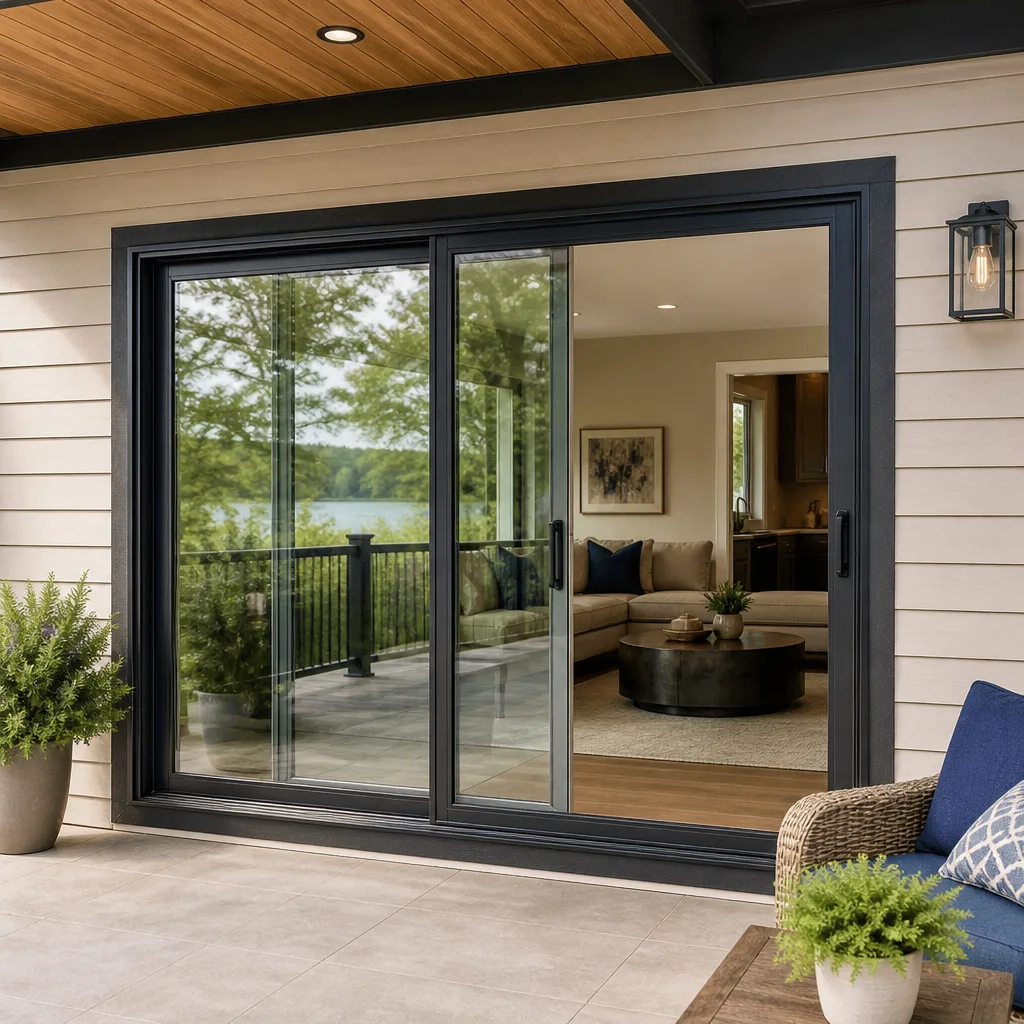 Sliding glass doors
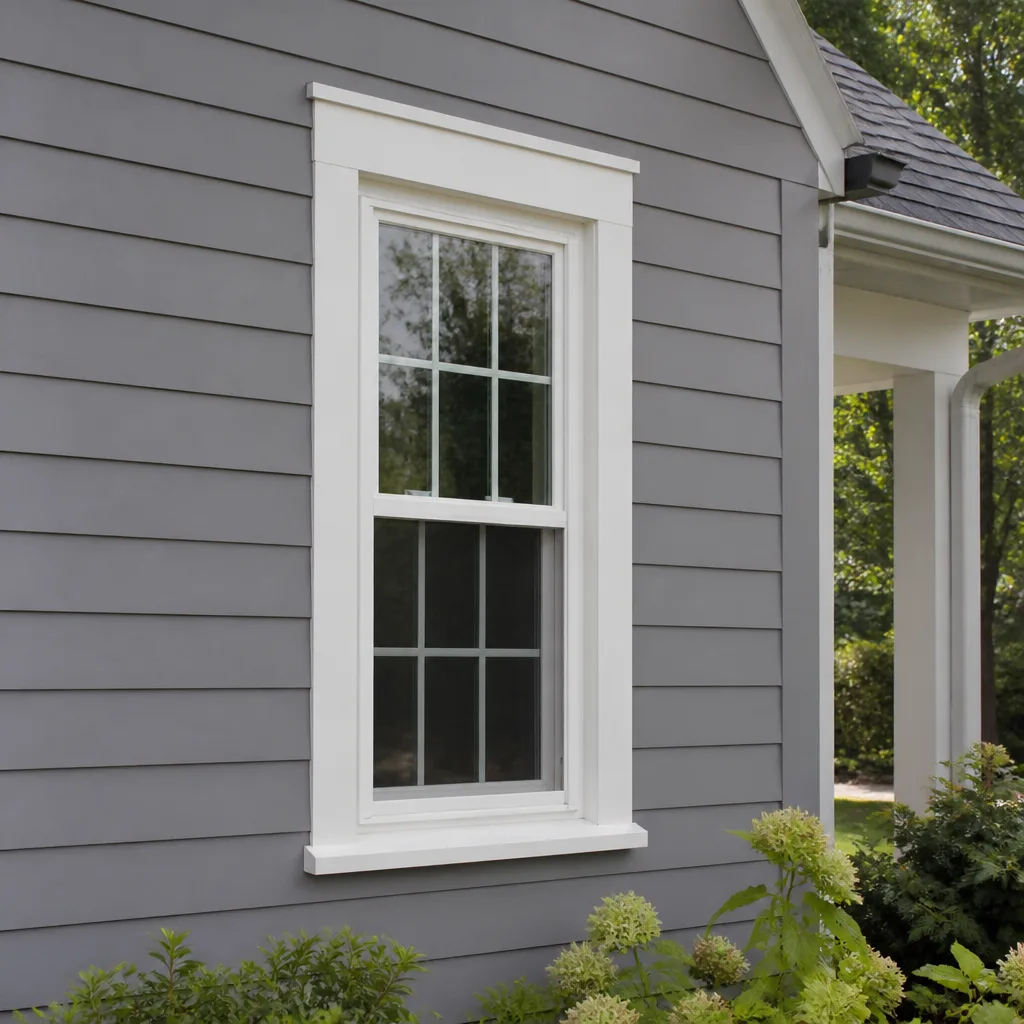 Single hung
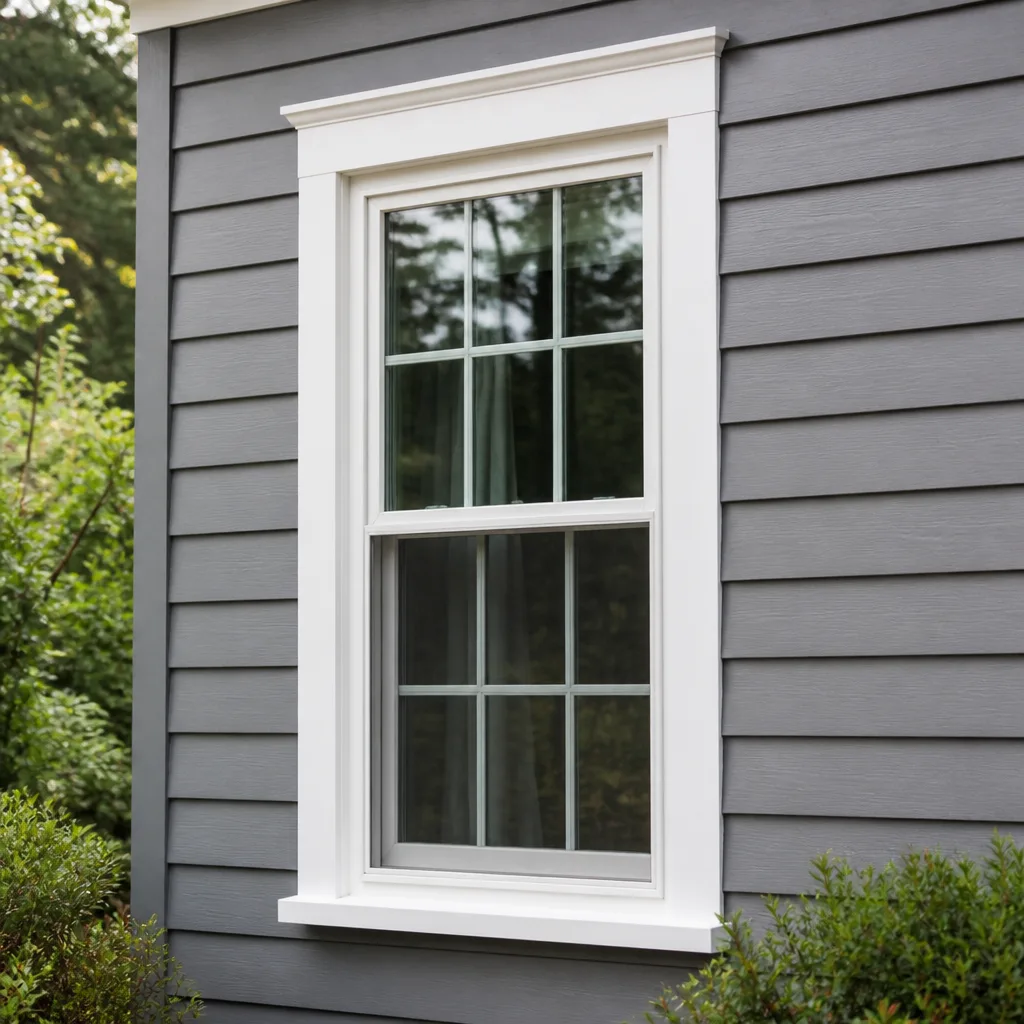 Double hung
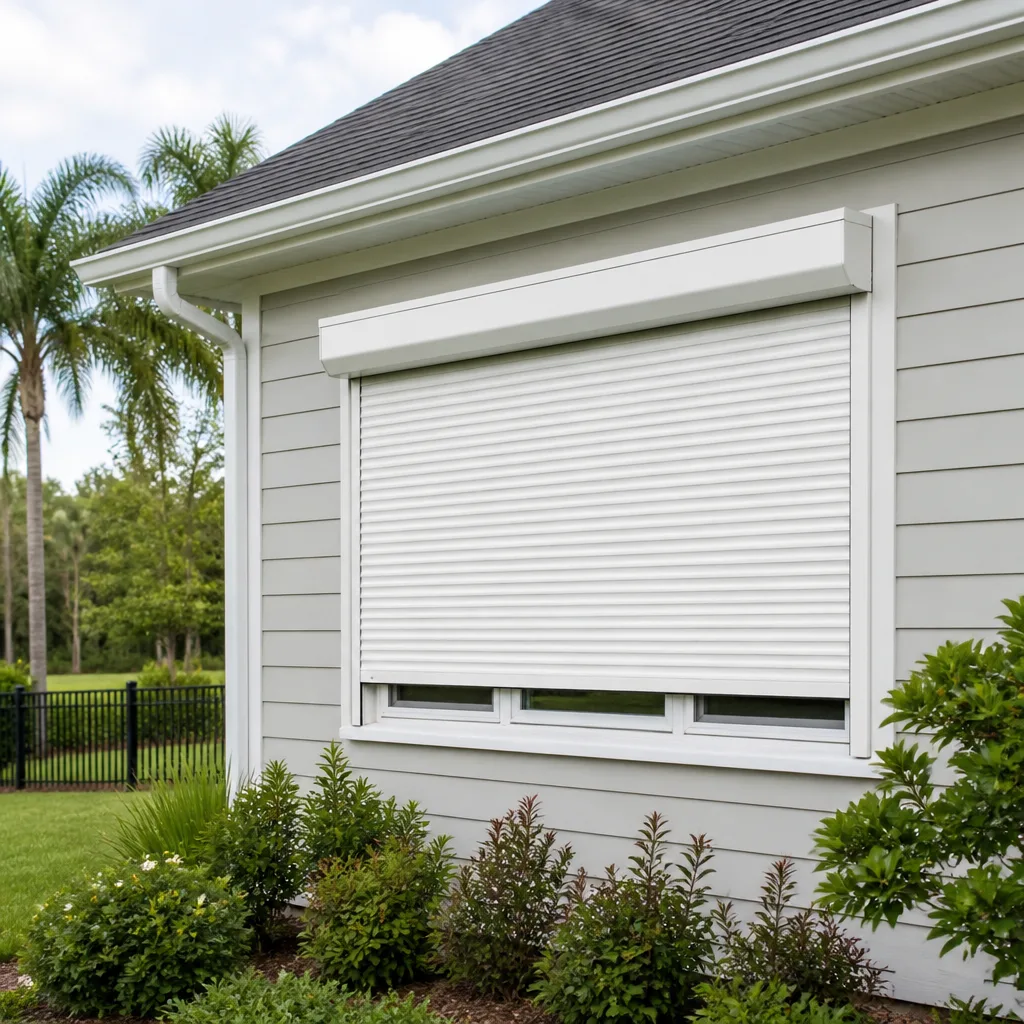 Horizontal roller
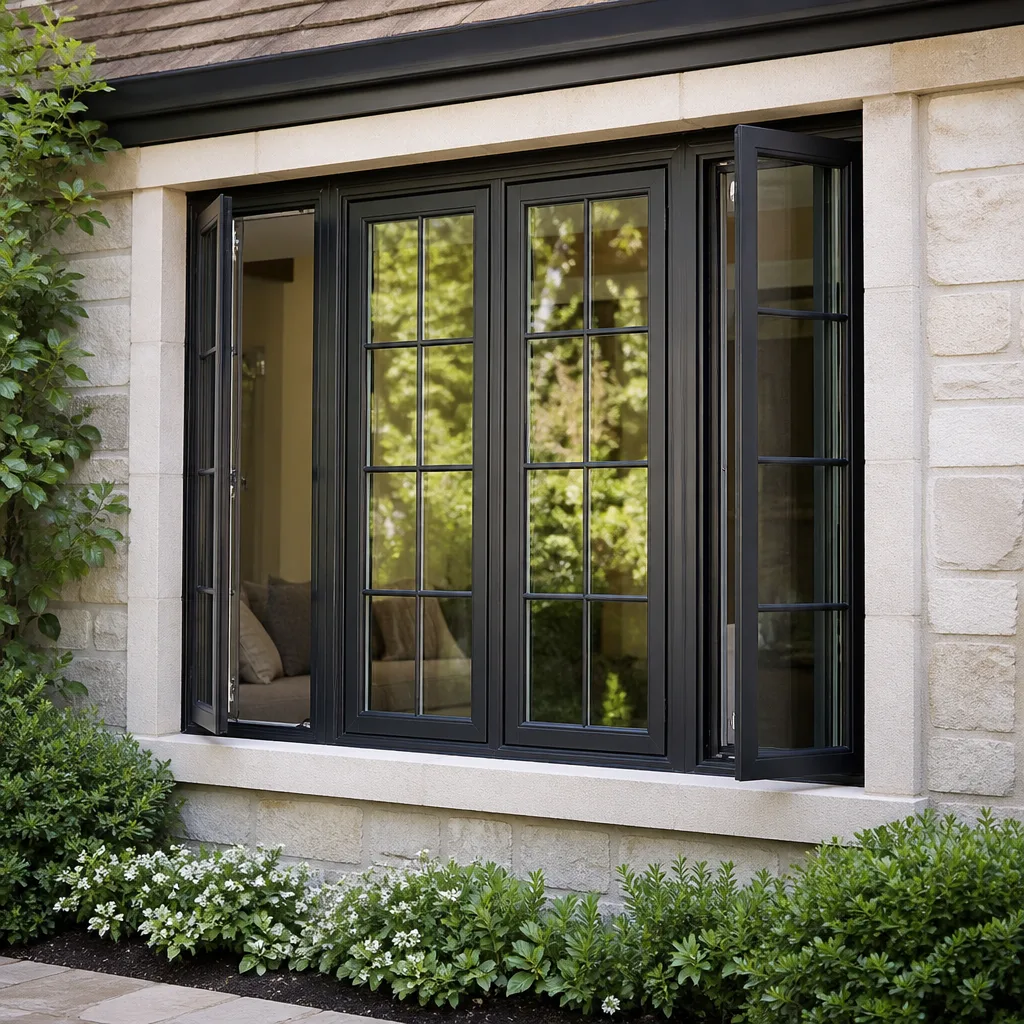 Casement
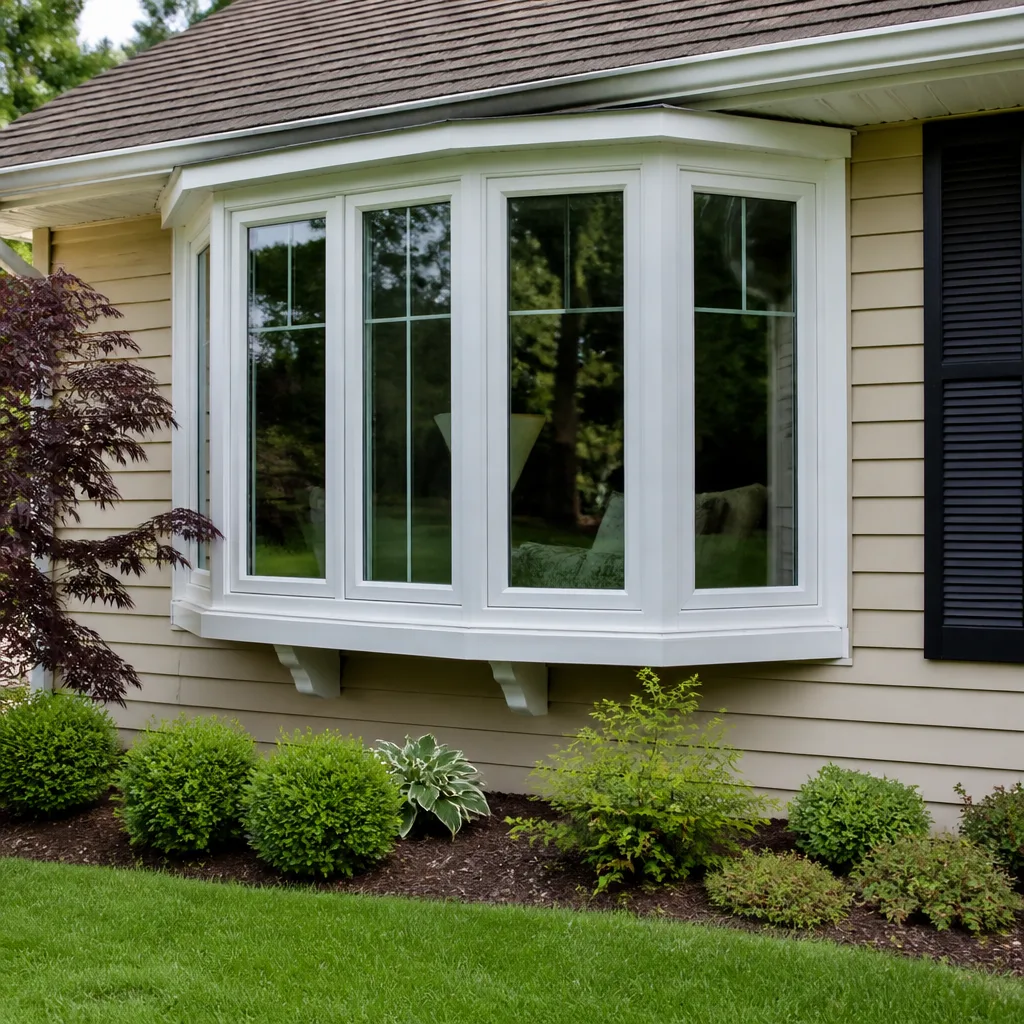 Bay & bow
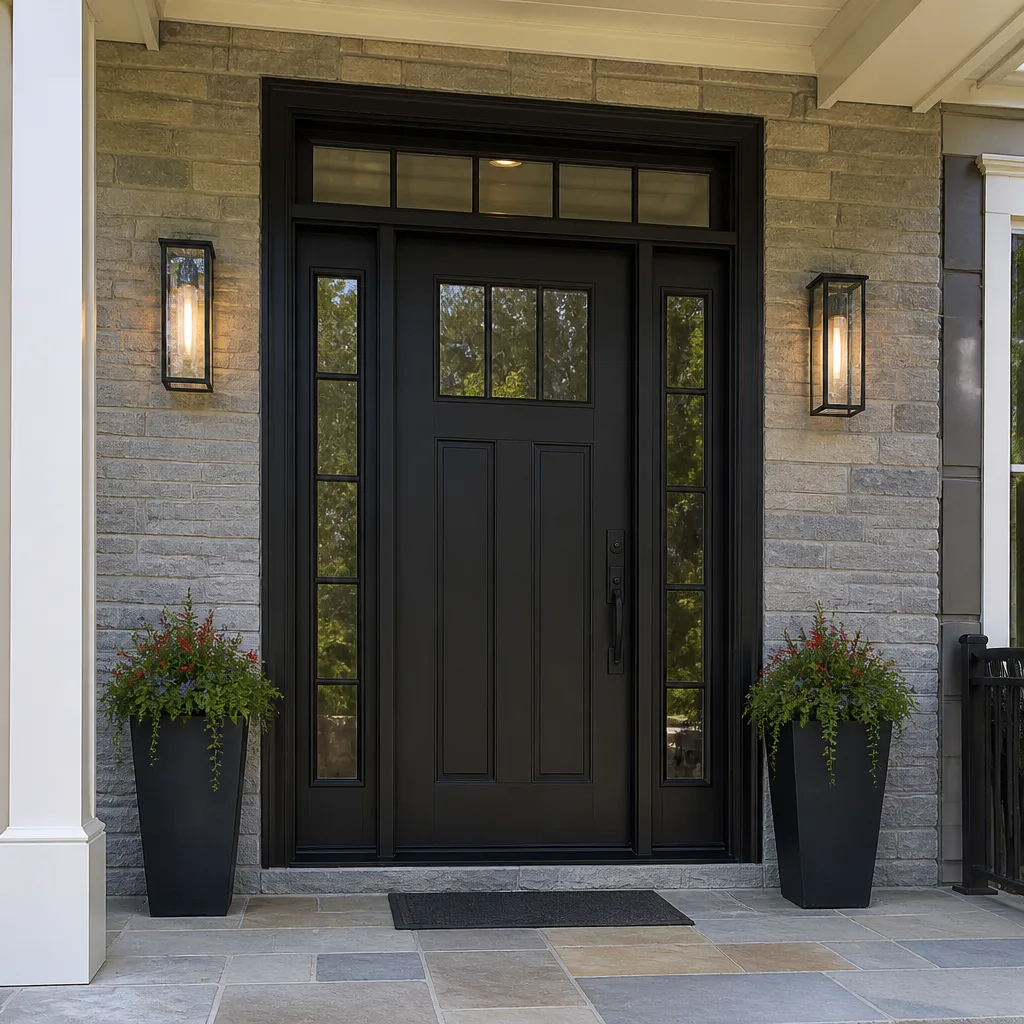 Entry doors
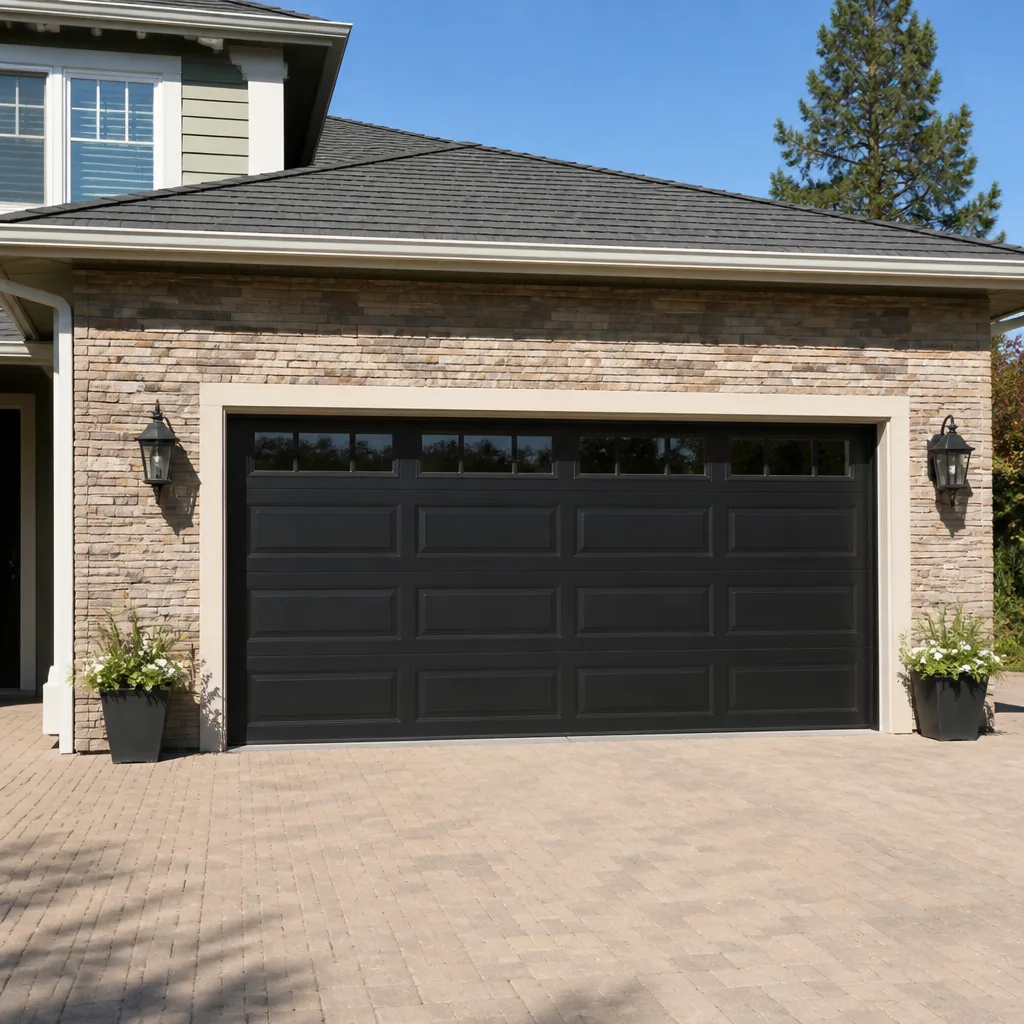 Impact garage doors
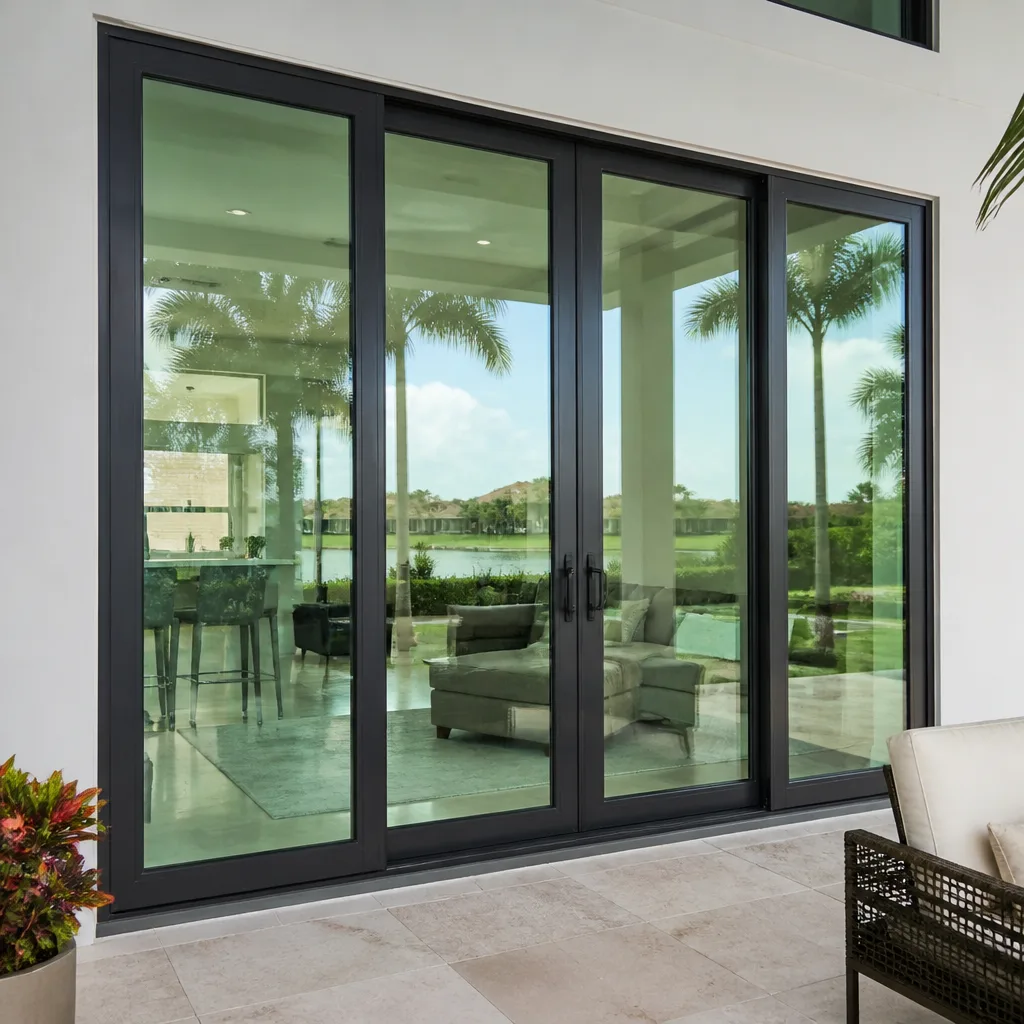 PGT
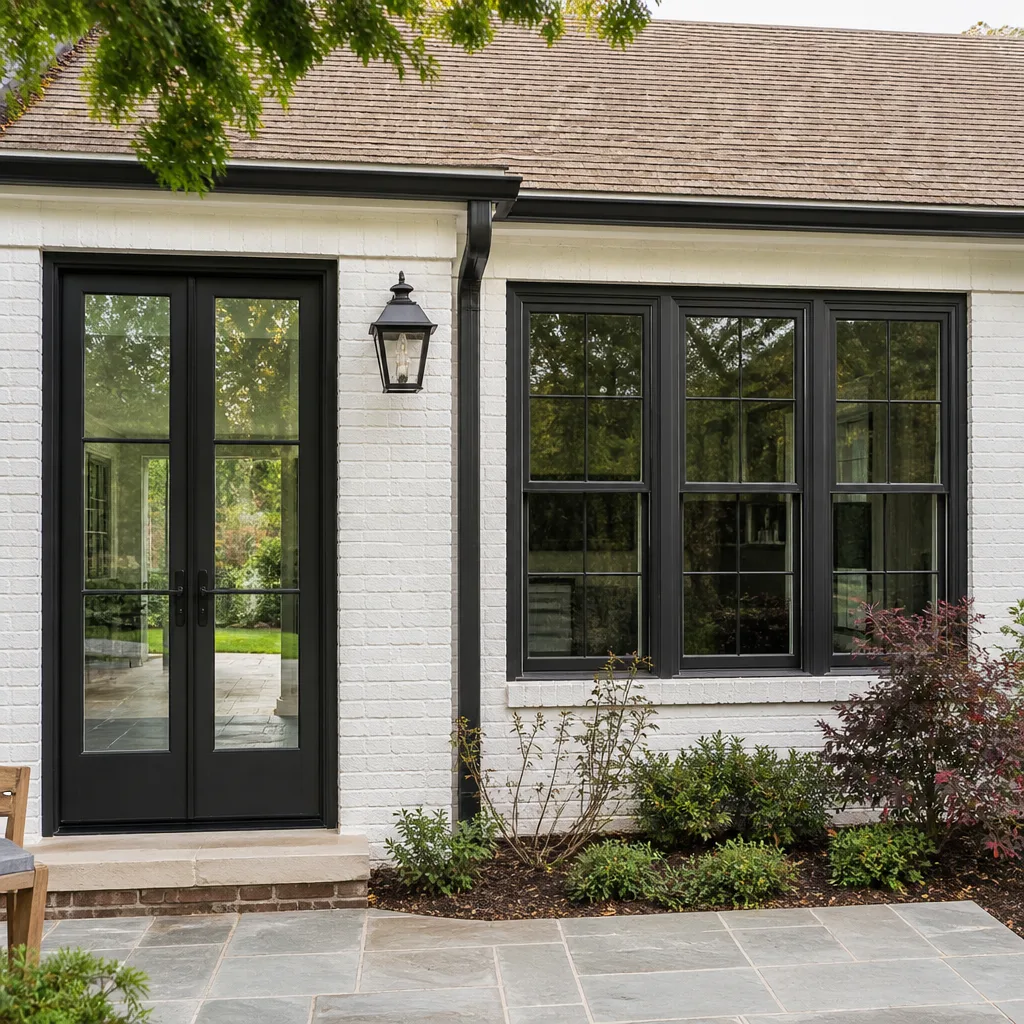 CGI
Free in-home measure and quote - PGT, CGI and CWS impact lines compared on your actual openings, style by style
Get your free estimateChoosing the Right Windows & Doors Brand: A Buyer’s Guide for Las Vegas
Three of the most advertised window brands in the country don’t publish Solar Heat Gain Coefficient and U-factor data for the extreme-heat zones that cover most of Nevada. That gap is the single most useful thing a Las Vegas buyer can know before comparing quotes. A brand’s reputation built in Seattle or Atlanta tells you very little about how its products perform on a south-facing wall in the desert, and a showroom display tells you less. This guide walks through what actually matters in Las Vegas: the certifications worth checking, how to read an NFRC label, why frame material behaves differently above 100°F, which warranty clauses get triggered by extreme climate, and how a multi-line specialist gives you options a single-brand dealer can’t.
Quick Answer
For Las Vegas, the best window and door brands are the ones with published NFRC ratings for extreme-heat climate zones, recognized AAMA certification tiers, and fiberglass or premium vinyl frames rated to hold their shape above 100°F. Start with the product data, not the brand name. The right window for your home is the one tested for how your home is exposed, not the one the contractor happens to have in stock.
Key Takeaways
- National brand reputation is not the same as desert performance.
- Two numbers on the NFRC label do most of the work in Las Vegas: U-factor and SHGC.
- Frame material matters more above 100°F than most showrooms admit.
- Read the warranty geography section before you sign anything.
- A multi-line specialist can match brand to exposure; a single-brand dealer can’t.
Styles & brands we work with
- Single hung
- Double hung
- Horizontal roller
- Casement
- Bay & bow
- Sliding glass doors
- Entry doors
- Impact garage doors
- PGT
- CGI
Table of Contents
- What Performance Certifications Should You Look For in Las Vegas?
- How Do You Read an NFRC Label to Compare Brands Fairly?
- Which Frame Materials Hold Up Above 100°F?
- What Does Warranty Geography Mean and Why Does It Matter?
- When Do You Need Impact-Rated Windows and Doors?
- Why Does a Multi-Line Specialist Produce Better Brand Outcomes?
- How the Major Lines Differ by Brand
- A Step-by-Step Way to Compare Brands
What Performance Certifications Should You Look For in Las Vegas?
The certifications to prioritize in a desert climate are ENERGY STAR Most Efficient for Climate Zone 3 and AAMA structural ratings at the appropriate tier. Those two labels cover thermal performance and physical durability, and together they filter out most of the noise. Most of Nevada sits in Climate Zone 3, which is the hot-dry designation ENERGY STAR uses when it publishes window eligibility criteria. A window that qualifies for other zones won’t necessarily qualify here.
ENERGY STAR Most Efficient is a step above the base ENERGY STAR certification. It highlights products that beat the minimum eligibility threshold. Look for the Climate Zone 3 label specifically, not just the ENERGY STAR logo, because a product can be certified for zones that don’t describe Las Vegas conditions.
AAMA certification is where structural performance gets tested. The American Architectural Manufacturers Association sets tiers based on ratings, and the relevant ones for windows are R, LC, CW, AW, and AP. In order of increasing severity, they are:
- R (Residential): light loads, small sizes, lowest threshold.
- LC (Light Commercial): a step up, common on entry-level products.
- CW (Commercial Windows): higher design pressure ratings.
- AW (Architectural Windows): tested to some of the toughest structural and water-penetration standards.
- AP (Architectural Products): used for doors and specialty products under heavier loads.
For most Las Vegas homes, CW or AW windows are worth the upgrade. Summer wind events and monsoon gusts load the sash and frame in ways a light-duty R or LC product wasn’t designed to resist. CW and AW ratings tell you the manufacturer tested the product to handle higher pressures.
If you’re replacing a window on a west- or south-facing wall in Las Vegas, pay extra attention to the AAMA tier and the design pressure rating. Those two elements are the structural backbone of the product. Thermal numbers without structural ratings are half the story.
How Do You Read an NFRC Label to Compare Brands Fairly?
You compare brands by finding the NFRC label on each unit and pulling two numbers: U-factor and Solar Heat Gain Coefficient. Everything else on the label exists to support those two figures. NFRC stands for the National Fenestration Rating Council, which runs a standardized testing and labeling program. That’s what makes a PGT window, a CGI window, and an ECO Window Systems window directly comparable: they all use the same protocol.
Here’s what each number does:
- U-factor: measures how well the whole window resists heat flow. Lower is better. In a Las Vegas cooling-dominated climate, this is about how much heat the window lets inside when the sun isn’t hitting it.
- Solar Heat Gain Coefficient (SHGC): measures how much solar heat enters the home. Also lower is better in cooling season. In Las Vegas, SHGC drives more of your summer cooling load than U-factor does.
- Visible Transmittance (VT): how much daylight comes through. Higher is brighter but often means more heat. You’re trading light for thermal control.
- Air Leakage (AL): measures infiltration. Lower is airtight. Useful to check, but a secondary number.
- Condensation Resistance (CR): rarely a deciding factor in Las Vegas. It matters much more in cold climates.
Here’s how to use the numbers side by side:
- Ask each bidder for the NFRC label for the exact model and glass package they’re quoting.
- Write down U-factor and SHGC for that model, not the brand’s best-case product.
- Compare the quoted models at matching sizes, because performance varies by size.
- Confirm the labeled version matches what’s on the order.
Manufacturers don’t always advertise these figures for every climate zone. If a brand can’t produce the NFRC data for its product in Climate Zone 3, that’s a sign to keep looking. It’s not the only test, but it’s the one you can do without trusting a salesperson.
Which Frame Materials Hold Up Above 100°F?
Fiberglass composite frames are the strongest thermal performers in a Las Vegas climate above 100°F, followed by premium vinyl, then aluminum. The frame’s job is to resist dimensional change when heat expands and contracts it. Fiberglass has a lower coefficient of thermal expansion than vinyl and aluminum, so it moves less over the seasons. That stability shows up in the way the sash seats and the weatherstripping performs over years.
There’s a genuine difference between manufacturers here that marketing brochures like to blur. Three frame types are commonly sold:
- True fiberglass composite: pultruded fiberglass, dimensionally stable, often paintable and rated for hotter exposure.
- Vinyl-fiberglass blend: a hybrid; performance depends heavily on how much fiberglass is in the profile and how the corners are reinforced. Ask for the spec, not the label.
- Standard vinyl (uPVC): widely available and often fine, but quality varies by wall thickness and formulation. Cheaper profiles tend to sag or bow faster in sustained heat.
Aluminum frames conduct heat and radiate it into the room. Unless the aluminum is thermally broken and the climate demands it, it makes less sense in a Las Vegas home than fiberglass or vinyl. Wood, while beautiful, demands more upkeep in a low-humidity desert where UV is unforgiving, and the finish has to be maintained.
When comparing brands on frame material, ask these questions:
- What is the exact substrate (percent fiberglass, percent vinyl, or 100% of one)?
- What is the profile wall thickness?
- Has the manufacturer published long-term dimensional stability data at temps above 100°F?
- What’s the warranty language regarding heat-related distortion?
If a brand can’t answer those within a specified product data sheet, the showroom display is doing too much of the work. A specialist can pull that data across multiple lines and put it side by side.
What Does Warranty Geography Mean and Why Does It Matter?
Warranty geography is the part of a manufacturer’s warranty that defines where and how the product is covered when conditions are extreme. Some manufacturer warranties explicitly limit coverage in extreme-climate zones, or exclude damage linked to UV exposure and heat degradation. That clause exists and you can find it. It’s usually buried in the exclusions or limitations sections of the warranty document.
Here’s the clause to look for:
- Any exclusion tied to “extreme heat,” “ambient temperatures above [threshold],” or “unusual climate conditions.”
- Any section on “UV degradation,” “color fade,” “chalking,” or “film degradation” from sun exposure.
- Any clause that says coverage applies only in designated climate regions or zones.
- Any language tying coverage to installed orientation, like west- or south-facing exposure.
The way to read it before you buy is simple: request the full warranty document, then search it for the words “heat,” “UV,” “sun,” “exposure,” and “geographic.” If any of those clauses narrow coverage for a hot-climate install, you’re on notice. It doesn’t automatically rule out the brand, but it changes what the brand is honestly promising.
Two more things to check in every warranty:
- Who honors the labor portion: the manufacturer, the installer, or neither?
- What’s the transferability if you sell the home?
When we work with a homeowner in Las Vegas, we recommend reading the warranty before the contract, not after. The warranty is part of the product. If a brand is vague about heat exposure, that tells you more than the showroom presentation will.
When Do You Need Impact-Rated Windows and Doors?
Impact-rated windows and doors make sense in Las Vegas when the home’s exposure, local code, or an insurer’s requirements call for tested resistance to wind-borne debris and pressure. Impact ratings aren’t just for coastal hurricane zones. The testing covers structural resistance to wind load, water penetration, and flying debris, and those tests apply to desert conditions too during high-wind events.
Several of the manufacturers we carry offer impact-rated lines:
- PGT: known for impact-rated products and tested assemblies.
- CGI: includes impact-rated options for wind-load conditions.
- ECO Window Systems: offers impact-rated lines designed for high-wind zones.
When a homeowner asks whether they need impact-rated windows in Las Vegas, the honest answer is “it depends.” It depends on the specific wall exposure, the design pressure required for that wall, the insurer’s underwriting, and the local code’s requirements for the address. Impact-rated products cost more than comparable non-impact versions of the same brand. They also solve specific problems, and if those problems apply to your house, they’re worth the step up.
If you’re in an area that’s seen sustained wind events and you have large west-facing glass, ask for the design pressure rating on the quoted model. That number tells you more than the marketing language about “storm-ready” construction. A specialist can compare the design pressure of an impact-rated CGI and an impact-rated PGT side by side.
The full scope of window replacement can include this decision, and it’s the sort of question best answered with the data sheets in front of you rather than a gut feeling in a showroom.
Why Does a Multi-Line Specialist Produce Better Brand Outcomes?
A multi-line specialist produces better outcomes because the recommendation can be shaped by the home’s exposure, energy goals, and budget rather than the dealer’s inventory. A single-brand dealer can only offer one answer to every question. That’s not a character flaw, it’s a structural limit. If the only brand the dealer sells is the one the dealer sells, the recommendation is predetermined.
What multi-line capability actually changes:
- Fit-to-exposure: a west-facing wall with strong afternoon sun gets a different glass package and sometimes a different brand than a shaded north-facing wall. A single-line dealer can only work within its own product set.
- Honest comparison: we can put PGT against CGI against ES Windows and CWS side by side on U-factor, SHGC, design pressure, and warranty, using the same NFRC protocol. That comparison is what a buyer actually needs.
- No distributor pressure: when the dealer isn’t carrying only one brand, the recommendation isn’t shaped by which line has the best margin that quarter.
- Consistent installation depth: a specialist whose entire business is windows and doors installs the same category every day. That depth of practice shows up in how weatherstripping seats, how flashing is layered, and how the job is sequenced.
Multi-line doesn’t mean every brand on every job. It means the right brand for the job can be chosen. We carry eight lines specifically so we can have that conversation honestly. You can read more about Jasper Windows & Doors and the approach we take, and you can see how the availability of window installation choices changes from one home to the next.
In our experience, the best outcome for a Las Vegas homeowner often comes from mixing brands across the home. A brand that excels at impact-rated large sliders isn’t automatically the strongest choice for a small kitchen casement. A multi-line specialist can build the package that matches the wall-by-wall exposure.
How the Major Lines Differ by Brand
Different brands are stronger in different areas, which is why the multi-line approach matters. Here’s a short, useful comparison of a few of the lines we carry. This isn’t a ranking. It’s a way to think about fit.
- PGT: broad impact-rated and energy-efficient offerings, deep testing data, and lines that hold up to wind exposure.
- CGI: strong vinyl and impact-rated options with competitive thermal performance across the range.
- ES Windows: energy-focused lines and thermal performance worth comparing against the others on U-factor and SHGC.
- ECO Window Systems: impact-rated construction with a strong story for high-wind zones.
- CWS: a broad catalog including vinyl and specialty profiles, useful for matching specific sizes and configurations.
- Mr-Glass: a practical line to consider for replacement work where the spec calls for it.
- Therma-Tru: premium entry-door systems, including the #1 selling entry-door brand in the U.S.
- ViewLux: a line worth reviewing for interior-facing glass products that match the exterior.
The point of carrying all eight lines is to be able to say “here’s which of these fits your home” without a bias toward any one of them. For a full door install, Therma-Tru’s systems often lead the conversation for premium entry doors. For a high-wind wall, PGT, CGI, and ECO Window Systems are frequently compared. For an energy-first budget, ES Windows and CGI are on the table. Compare product specifications side by side rather than brand by brand.
A Step-by-Step Way to Compare Brands
Comparing brands properly in Las Vegas is a process, not a gut call. Here’s a numbered path to follow:
- Measure the exposure. Note which walls face south and west. Those walls do more thermal work and need stronger solar control.
- Request the NFRC label for the exact quoted model. Not the brochure, not the showroom unit, the actual product being installed.
- Record U-factor and SHGC. Lower SHGC matters more in Las Vegas than lower U-factor because of cooling load.
- Check the AAMA tier and design pressure. CW or AW for most homes; match the DP rating to the exposure and any code requirement.
- Confirm the frame material precisely. True fiberglass composite, vinyl-fiberglass blend, or standard vinyl. Get the spec sheet.
- Read the warranty geography clause. Look for heat-zone, UV, and exposure exclusions.
- Match brand to job. A brand that wins on a shaded wall may not be the best on a south-facing one.
- Get the written estimate in line-item form. Confirm what’s included: permit, flashing, trim, disposal, and inspection.
If you follow those eight steps, the brand comparison becomes a conversation about numbers, not a comparison of logos. And the number that matters most in Las Vegas, again, is SHGC on the exposed walls. That’s where the summer gains climb fastest.
The Las Vegas climate doesn’t punish every brand equally. It punishes the ones that never tested for it. Use the data.
Common Mistakes to Avoid
- Buying on national reputation alone. A brand that dominates Seattle or Atlanta isn’t necessarily tuned for a hot-dry climate. Ask for the Climate Zone 3 data specifically, and don’t accept “it’s a great brand” as an answer.
- Skipping the NFRC label and trusting the showroom. Showroom glass looks the same whether it’s a high-SHGC package or a low one. The label is where the difference lives.
- Ignoring the AAMA tier. An R-rated or LC-rated product may be fine for a sheltered wall, but on a wind-exposed Las Vegas wall in monsoon season, CW or AW is the safer bet. Confirm the tier in writing.
- Buying from a single-brand dealer without checking alternatives. A one-brand dealer’s answer is always the same. If the brand doesn’t fit your home’s exposure, the recommendation isn’t fit, it’s inventory.
- Not reading the warranty geography. A warranty that excludes UV or extreme-heat damage isn’t a warranty on the parts of the product that fail in the desert. Read it before the contract.
- Assuming impact-rated means “for the coast.” Impact testing covers wind load and debris, and those conditions exist inland too. Ask for the design pressure rating, not the marketing slogan.
- Comparing total project price without comparing scope. One quote at a lower total may exclude permits, flashing, or inspection. Get line-item estimates so the brand comparison isn’t hiding behind a scope difference.
See the difference
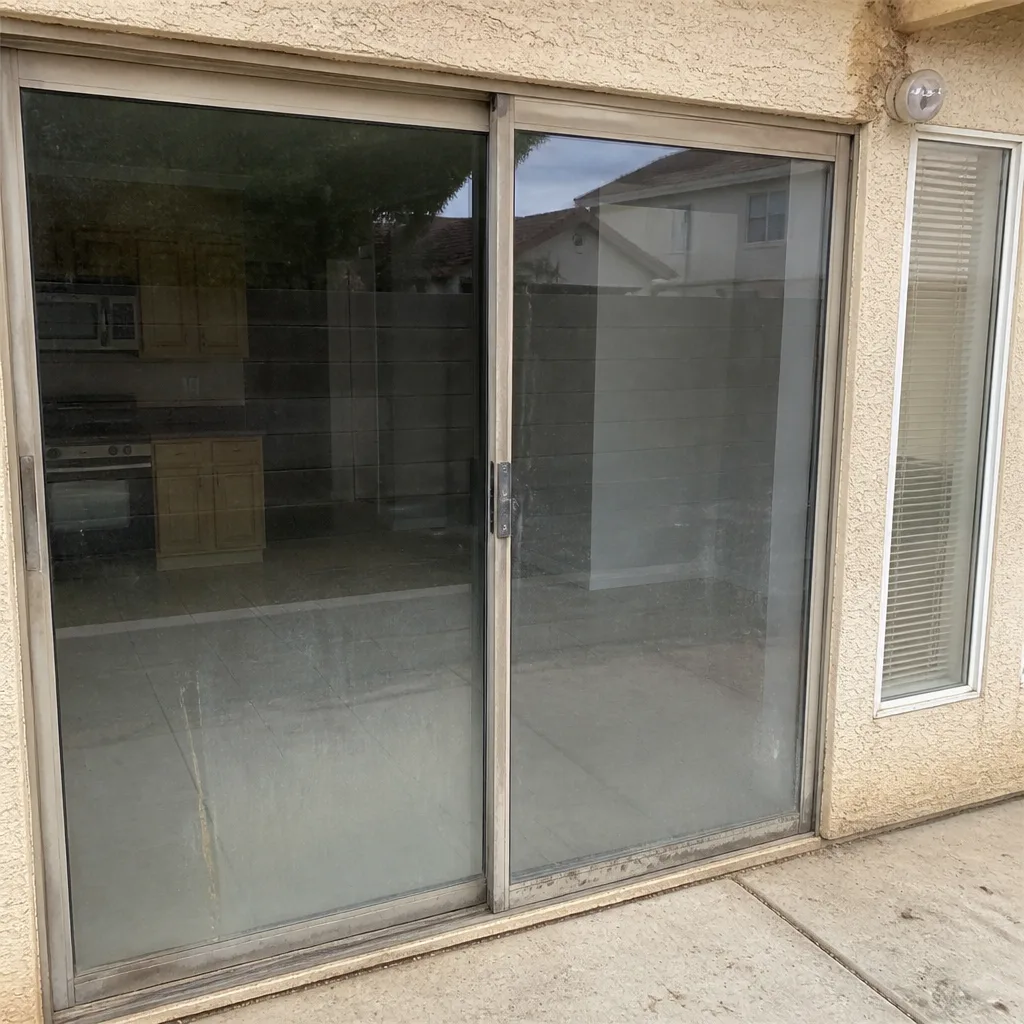 Before
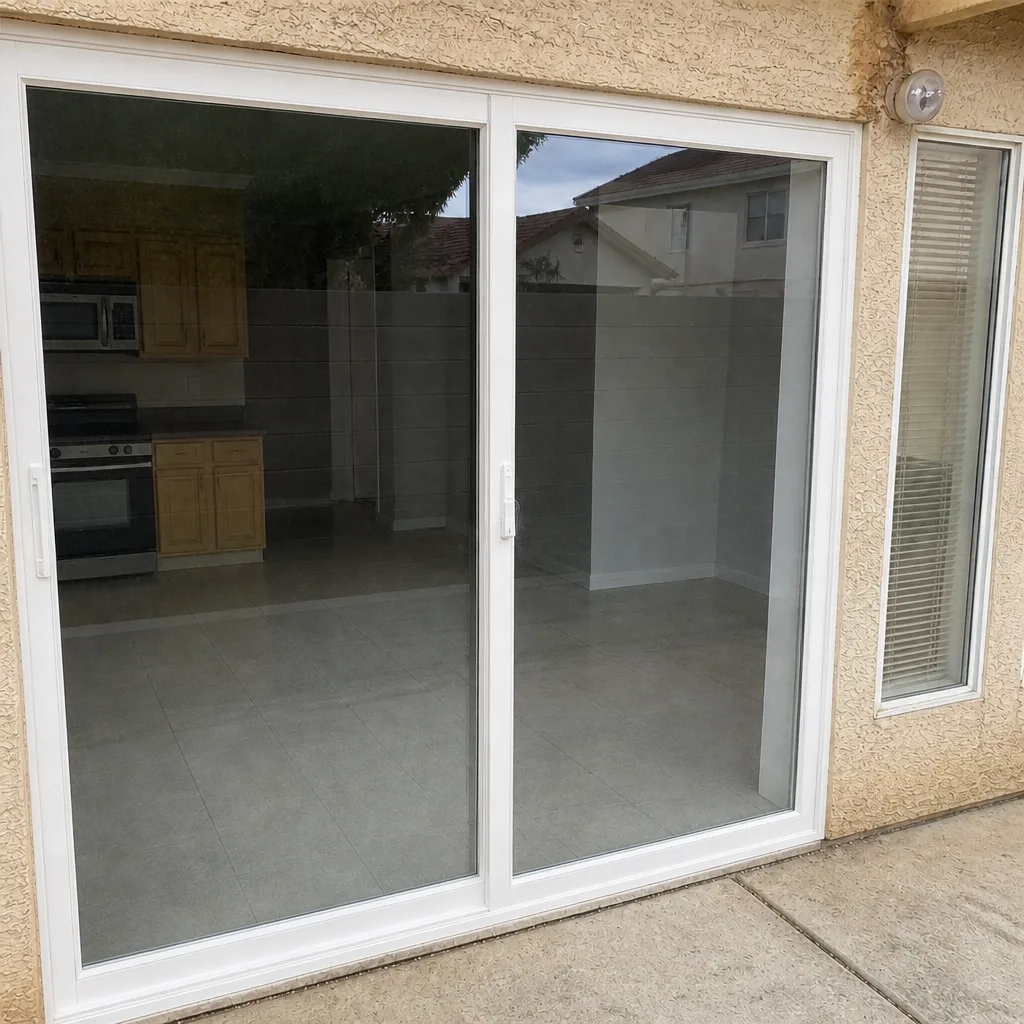 After
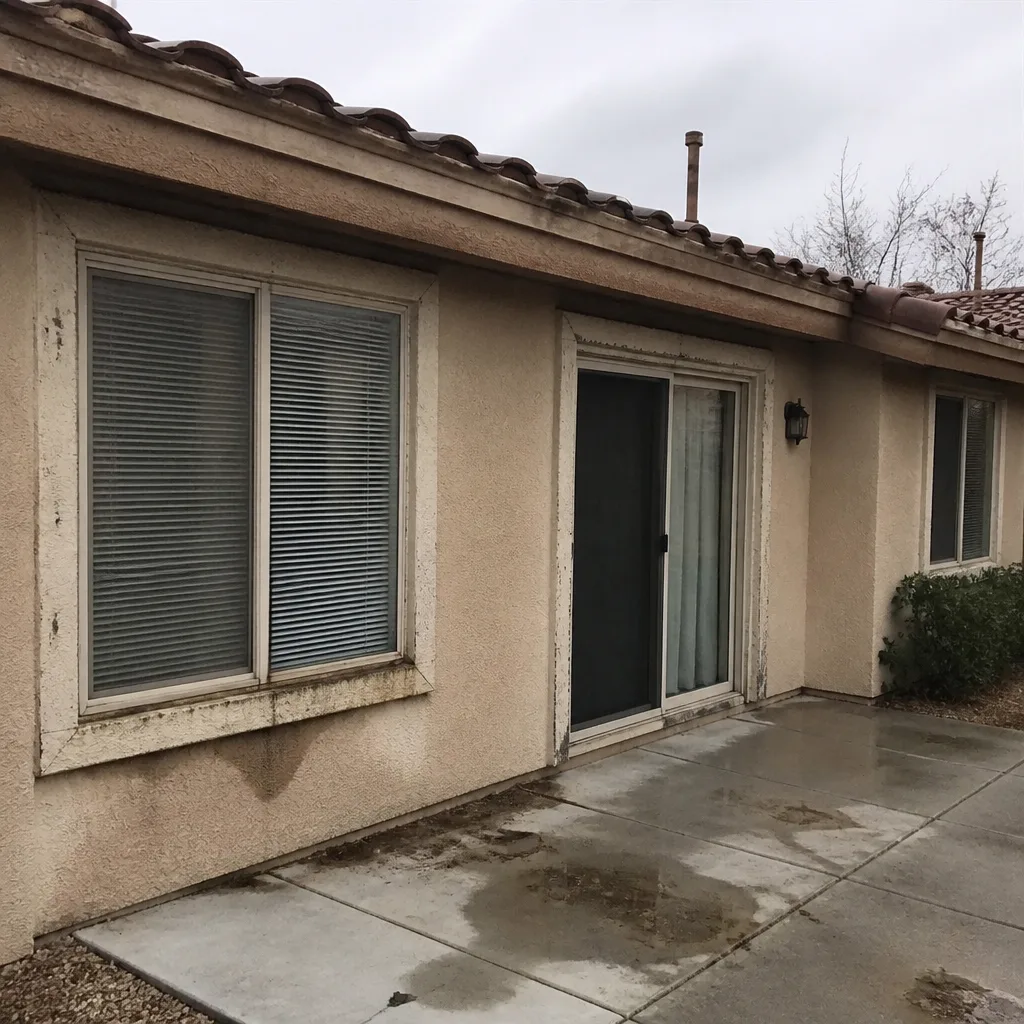 Before
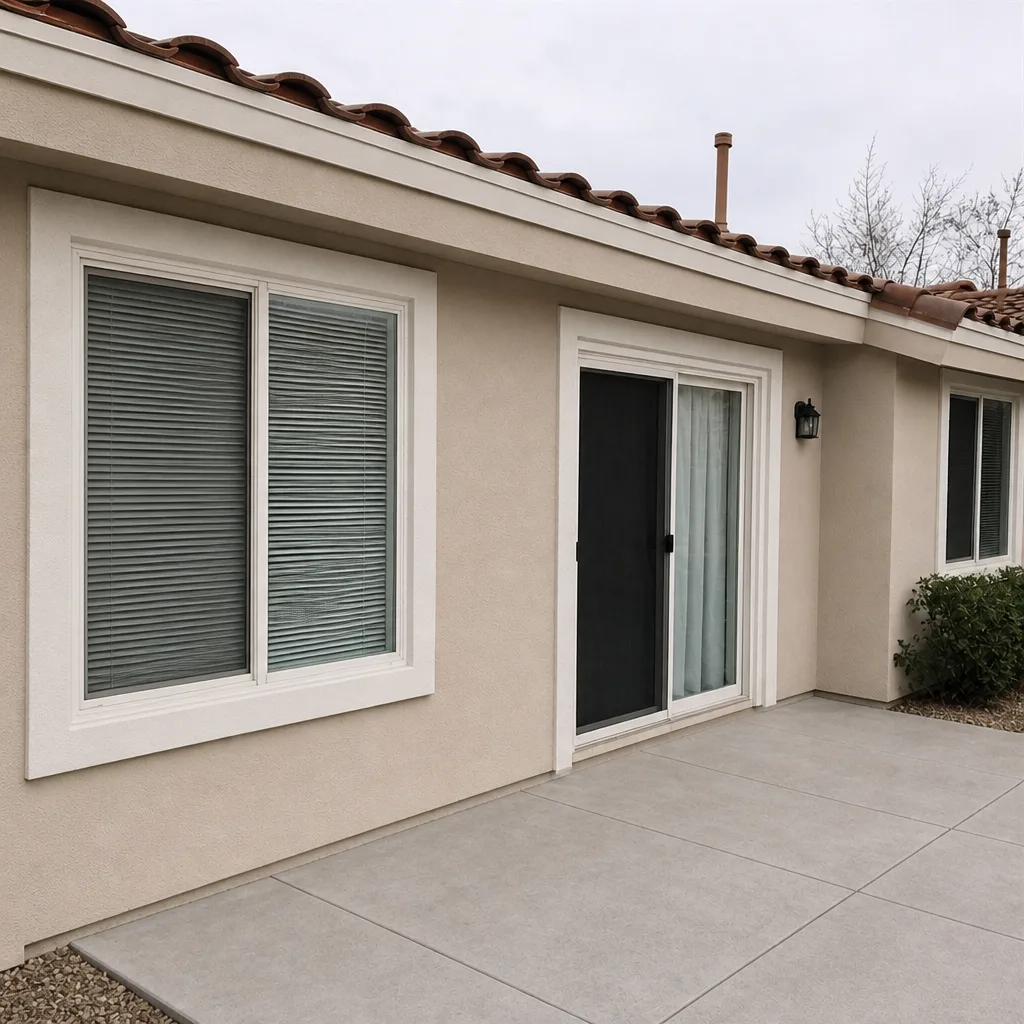 After
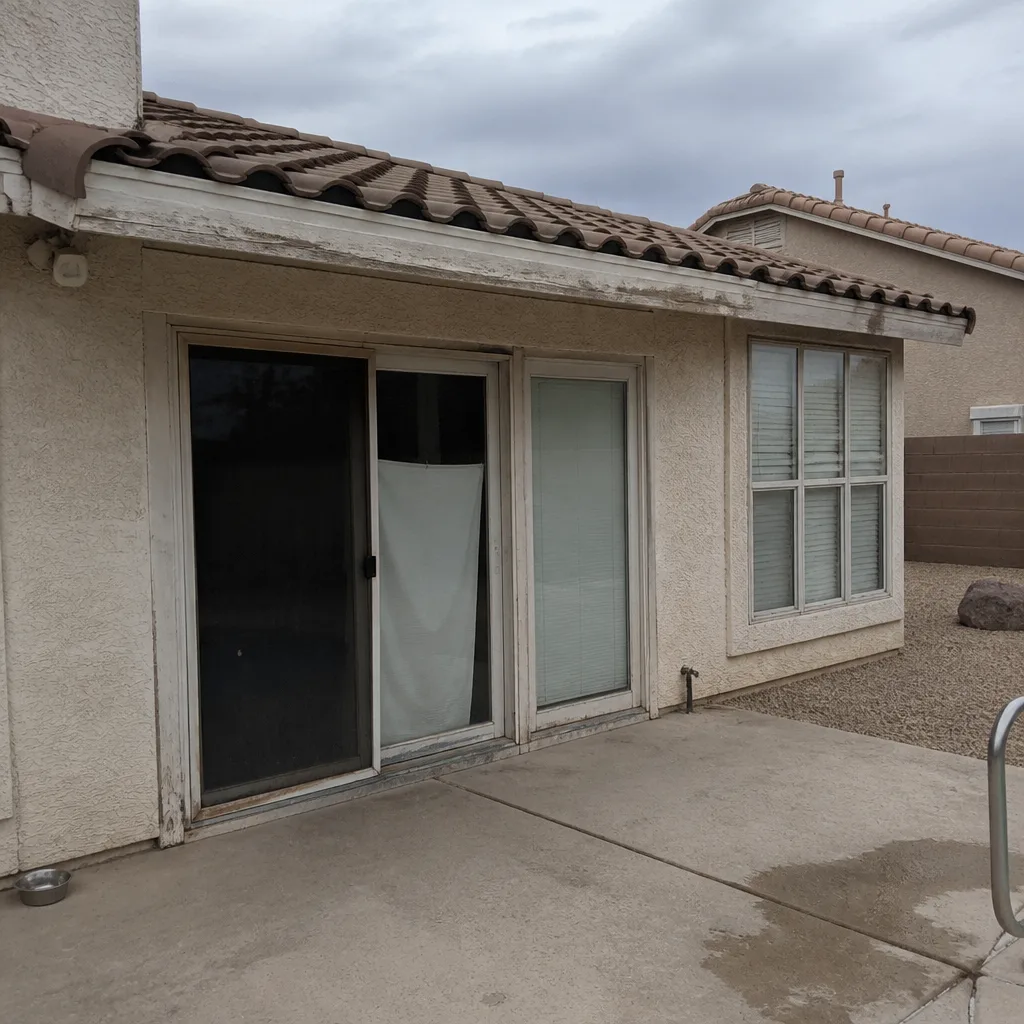 Before
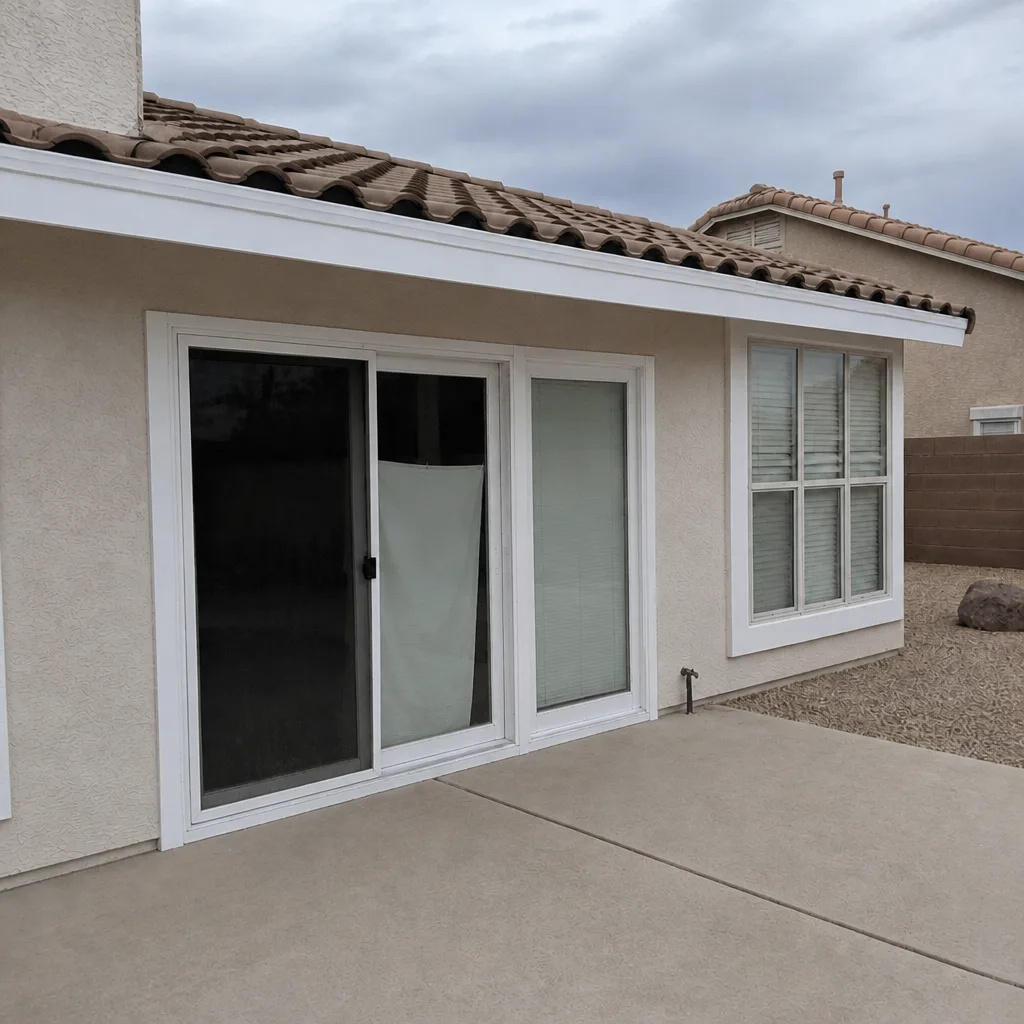 After
When to Call a Professional
Call a professional when a window or door fails in a way you can’t diagnose from the interior, when you’re deciding on impact ratings for a wall, when you need the NFRC and AAMA data compared across brands, or when the warranty clause has blurred your decision. Those aren’t DIY decisions. Windows and doors are structural assemblies, and on a hot Las Vegas wall, the consequences of a wrong choice are on your cooling bill and in the way the sash closes for the next decade. If you’re comparing brands or you’re ready for a written line-item quote, Jasper Windows & Doors offers free estimates in Las Vegas. Call (844) 761-6772. We answer 24/7. Fast dispatch from 7am to 7pm, Sunday through Friday.
Frequently Asked Questions
There isn’t a single best brand for every Las Vegas home, because the right brand depends on the wall’s exposure, the home’s energy and structural requirements, and the budget. That’s why comparing NFRC data and AAMA tiers across multiple manufacturers matters more than choosing a brand by name. A specialist who carries several lines can match the product to the house, not the other way around. Call (844) 761-6772 for a free estimate and a brand comparison.
You compare them on the NFRC label for the exact model quoted, using U-factor and SHGC. Those two numbers use the same protocol across manufacturers, so they’re directly comparable. Check the AAMA tier too. If a quote can’t come with the labeled data, that’s a red flag, not a reason to trust the pitch. Call (844) 761-6772 to talk through the model comparisons.
SHGC matters more than U-factor in Las Vegas because cooling load is dominated by solar gain, not by conductive losses. Solar Heat Gain Coefficient measures how much heat the window admits from the sun, and in a cooling-dominated climate that’s the number that moves your summer bill. U-factor still matters, just second. Low SHGC values on your south- and west-facing walls are where to focus. Call (844) 761-6772 for a free estimate that includes a proper glass package recommendation.
Not automatically, but they make sense on exposures where wind load, debris risk, or the insurer’s requirements call for tested performance. Impact ratings cover wind pressure and debris resistance, which matter during high-wind events. The correct answer depends on the wall and the code requirements for your address. A specialist can compare impact-rated options from PGT, CGI, and ECO Window Systems against non-impact products in the same brand. Call (844) 761-6772 to schedule your free estimate.
Warranty geography is the section of a manufacturer’s warranty that limits coverage based on climate or location. Some warranties exclude damage from extreme heat or UV exposure, or limit coverage to specific zones. Read for the words “heat,” “UV,” “exposure,” and “geography” before you sign. If the warranty excludes the conditions your home actually experiences, the brand is telling you something useful. Call (844) 761-6772 if you’d like to compare warranty language across brands.
It shouldn’t. The written estimate should set the price and the scope, and the price is per job. A line-item estimate that includes permits, flashing, trim, and disposal protects you from being surprised mid-install. If a quote is one number with no scope detail, ask for the itemization before you compare brands on price. Call (844) 761-6772 to schedule your free estimate.
The Bottom Line
The right windows and doors brand for your Las Vegas home is decided on data, not on reputation. Check the NFRC label for U-factor and SHGC at the exact model quoted, check the AAMA tier, get the frame material in writing, and read the warranty geography before you sign. Then compare across multiple brands, because the home’s exposure should drive the choice, not a dealer’s inventory. That’s why an eight-line specialist can give you a straighter answer than a single-brand dealer ever could. Start with the data. The price conversation is easier once the specs are on the table.
Call (844) 761-6772 to schedule your free estimate with Jasper Windows & Doors. We answer 24/7. Fast dispatch from 7am to 7pm, Sunday through Friday. Written line-item quotes, permits pulled and inspections passed, and a consultation that starts with what your home actually needs.
Written by the team at Jasper Windows & Doors.