Last updated November 16, 2026
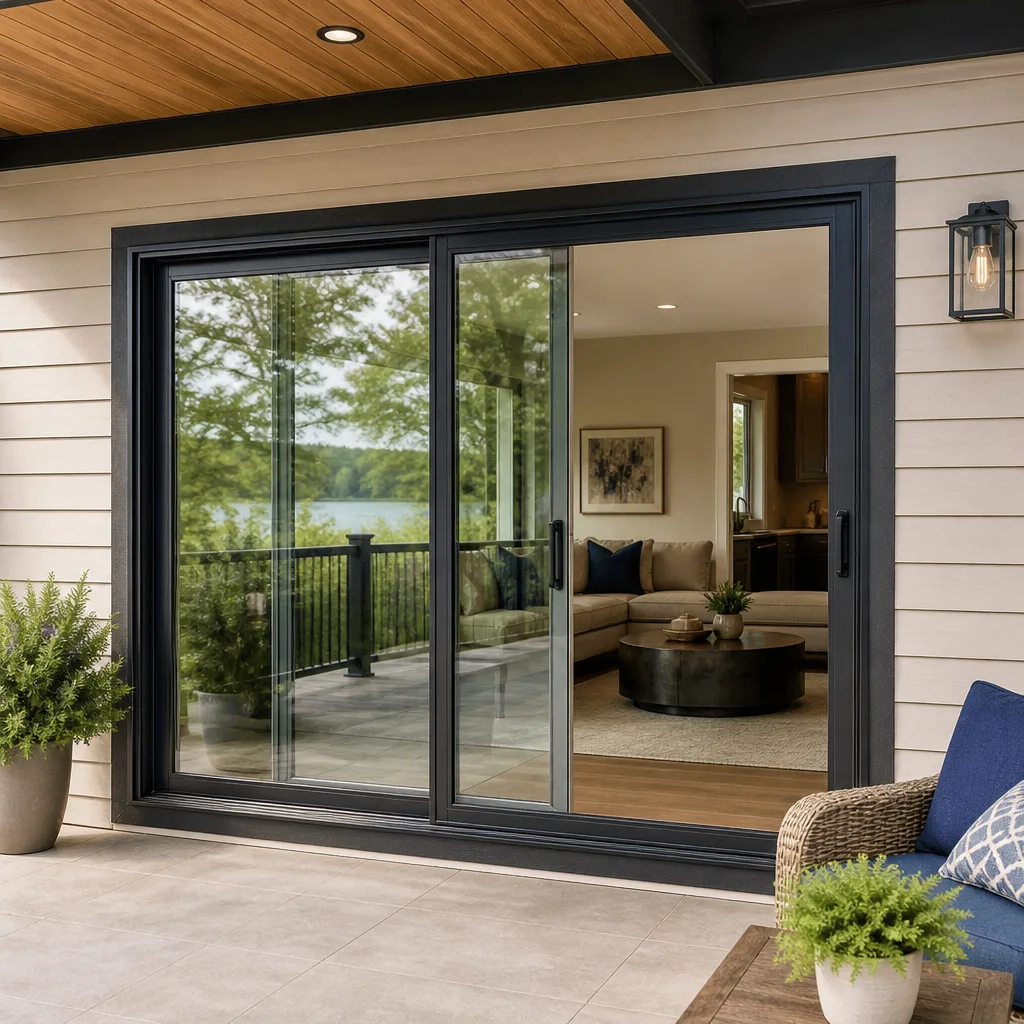 Sliding glass doors
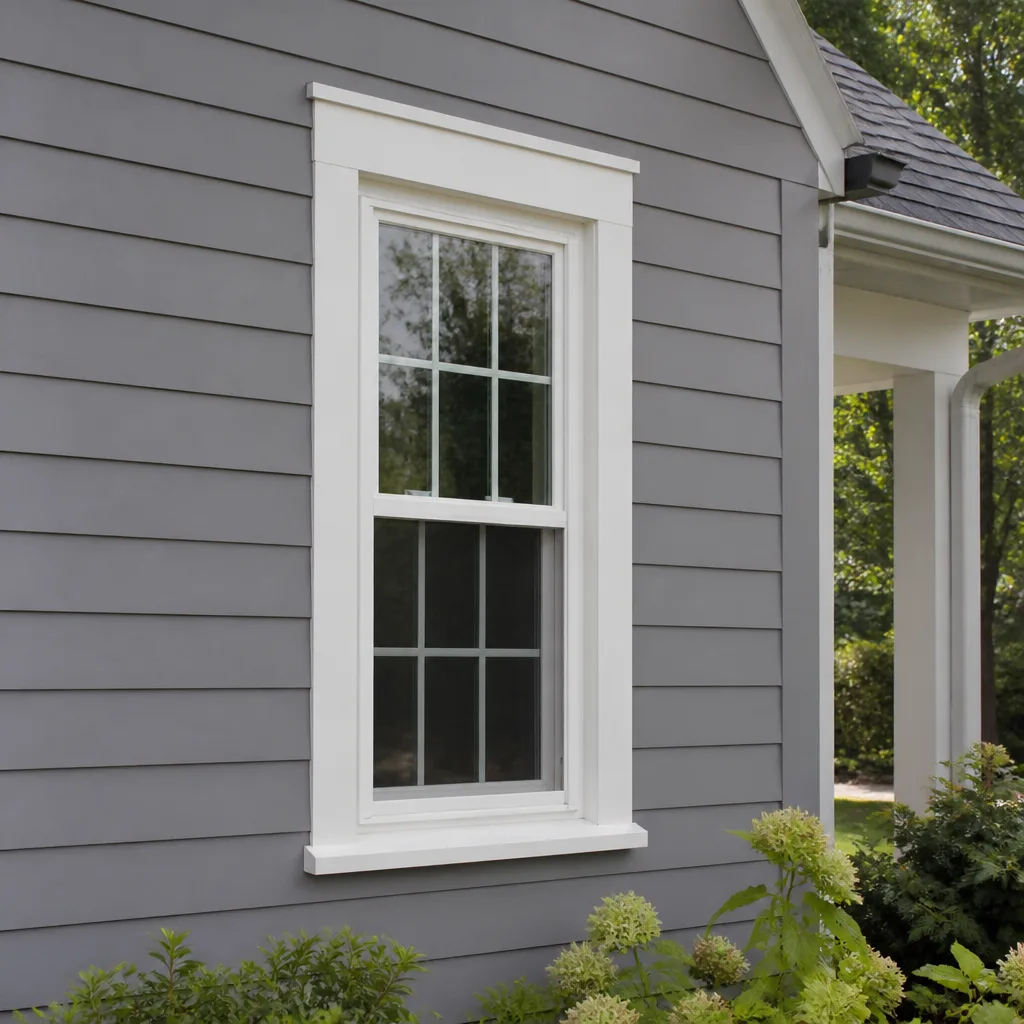 Single hung
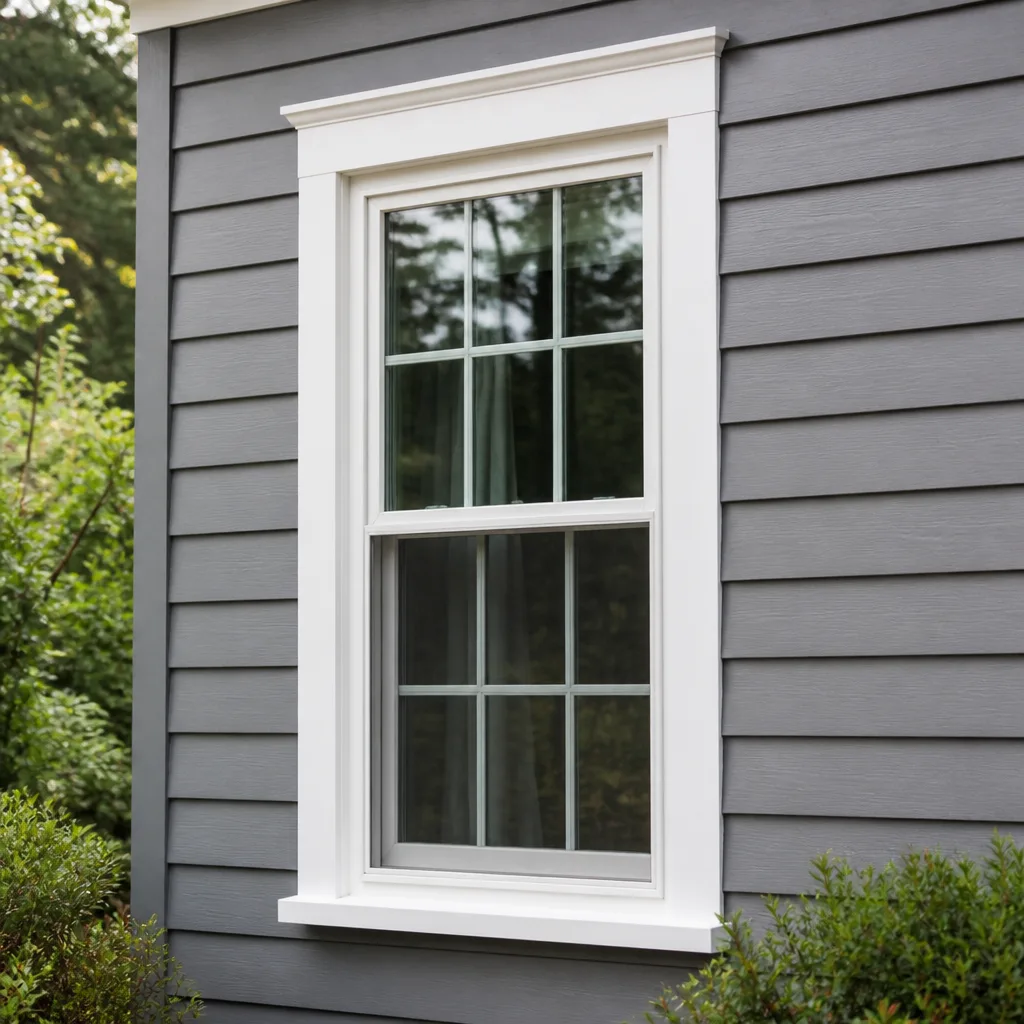 Double hung
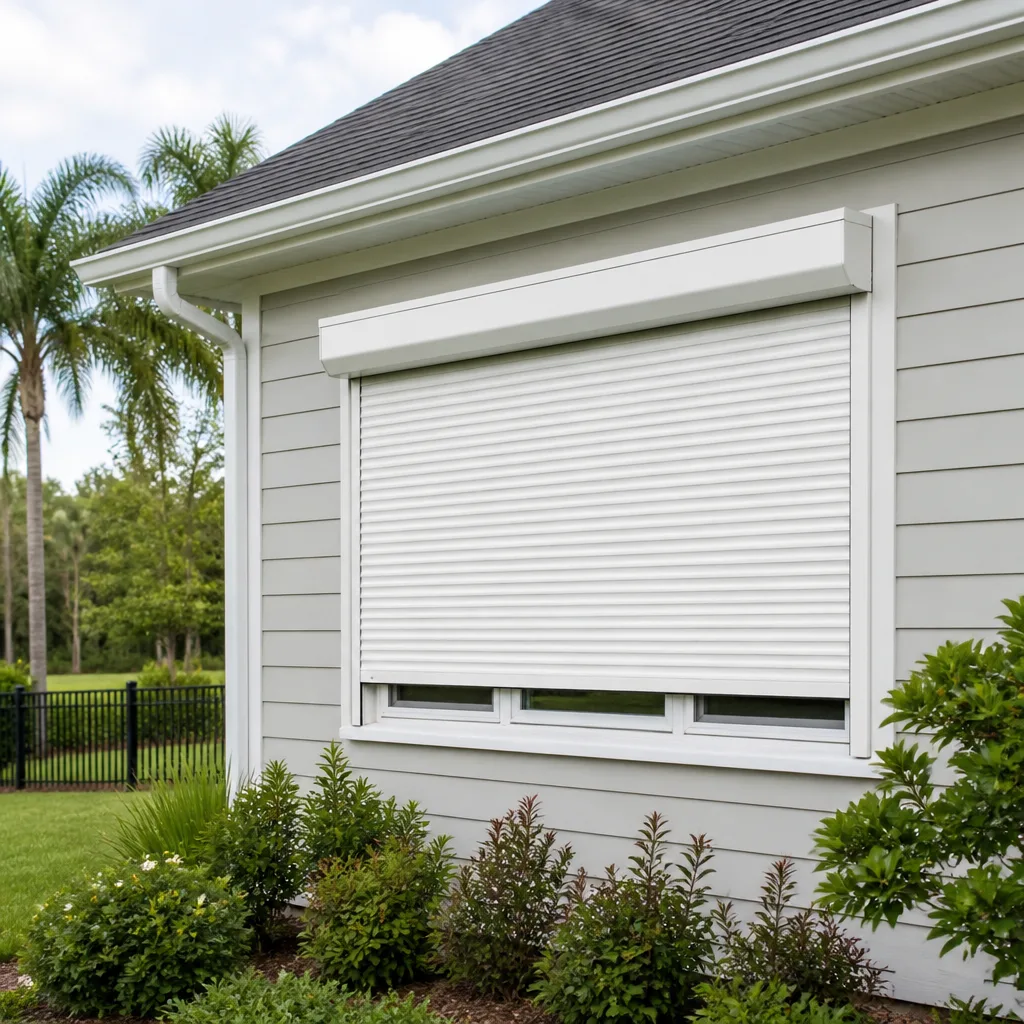 Horizontal roller
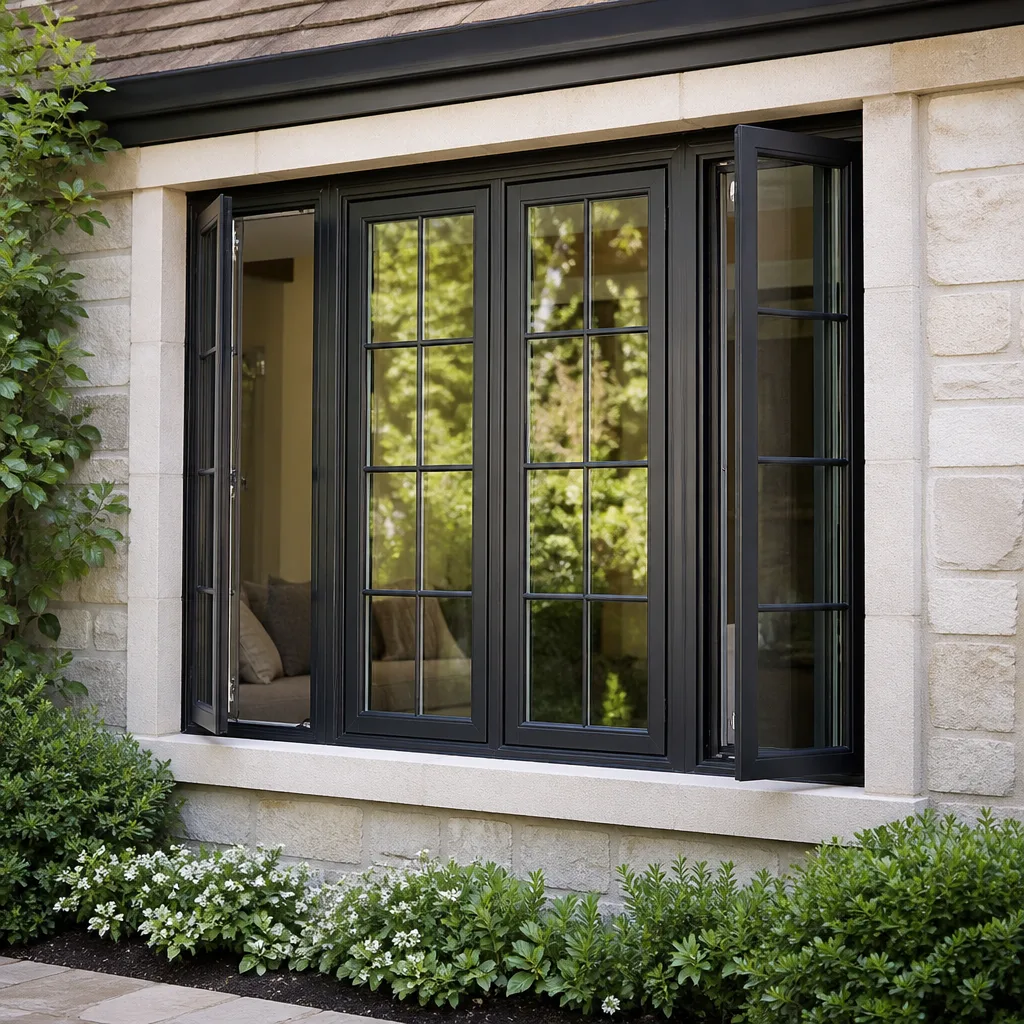 Casement
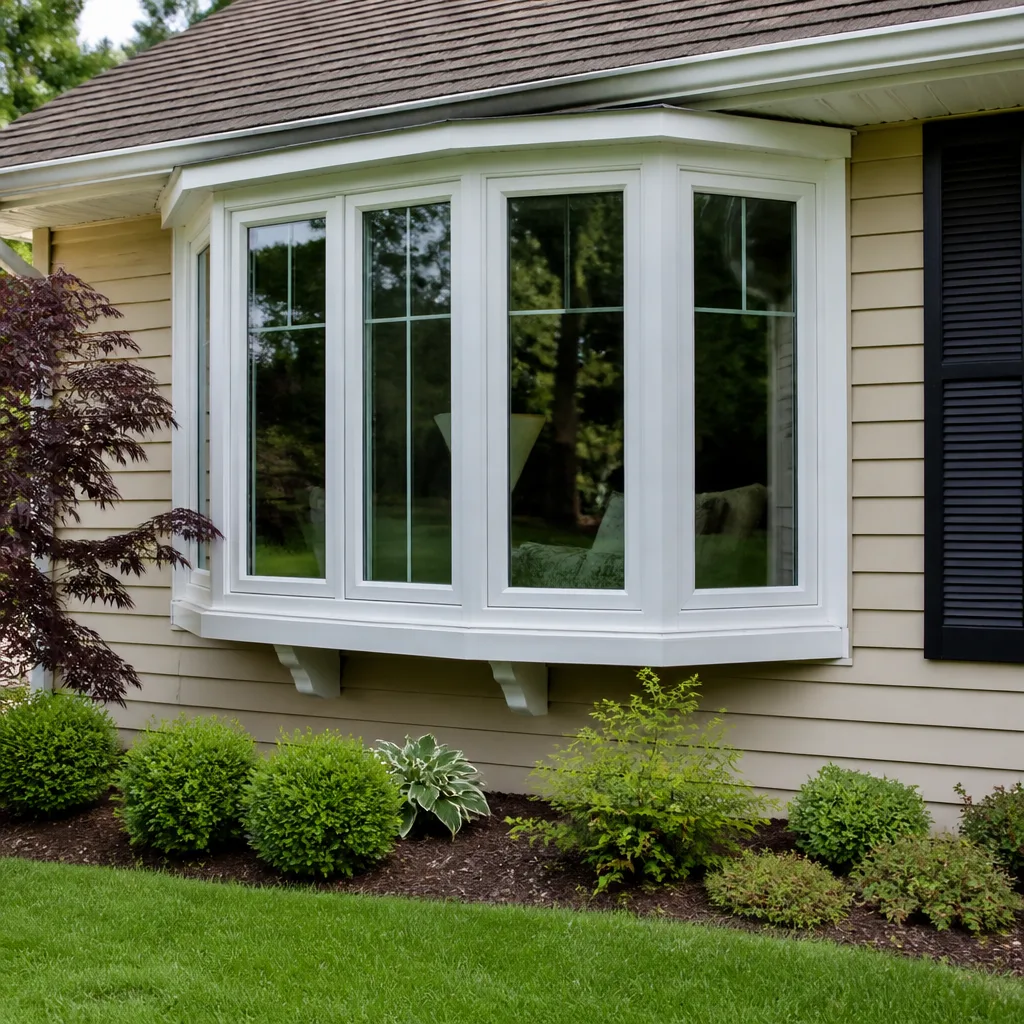 Bay & bow
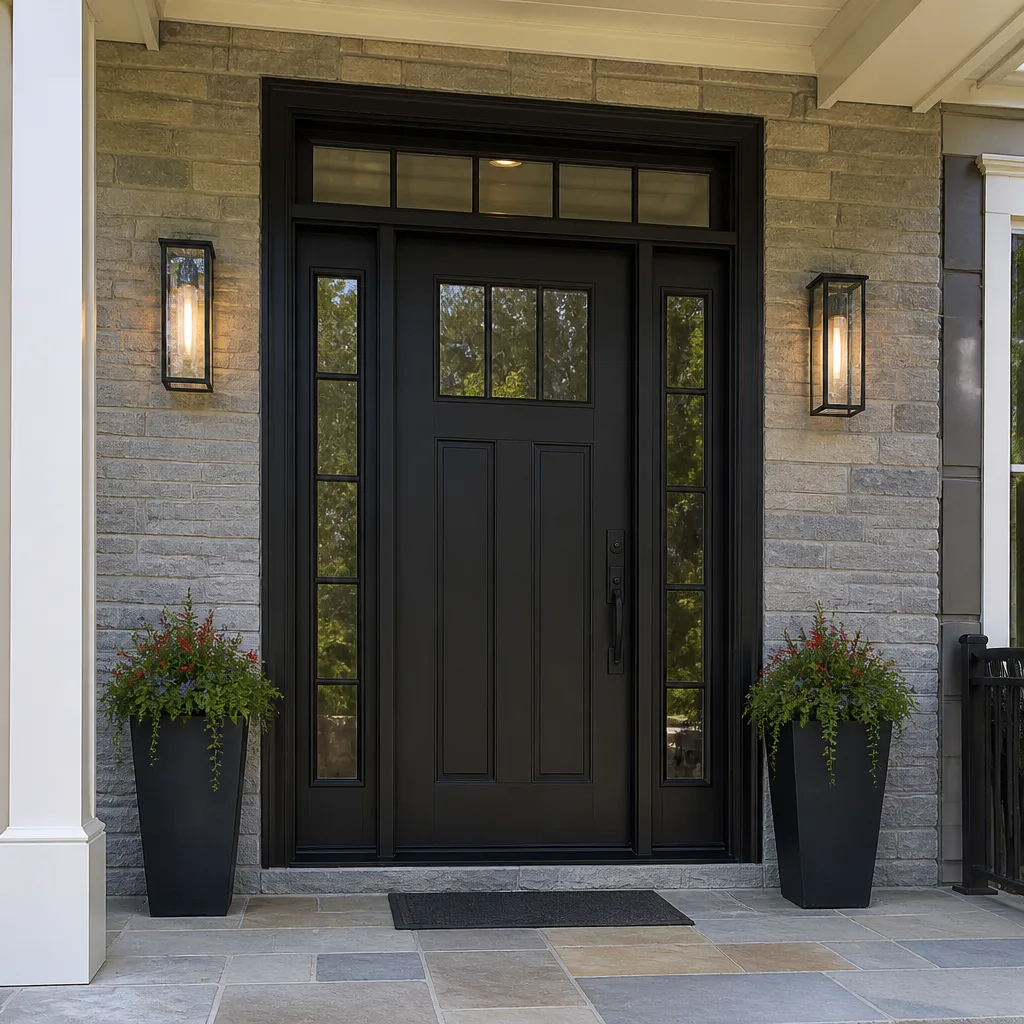 Entry doors
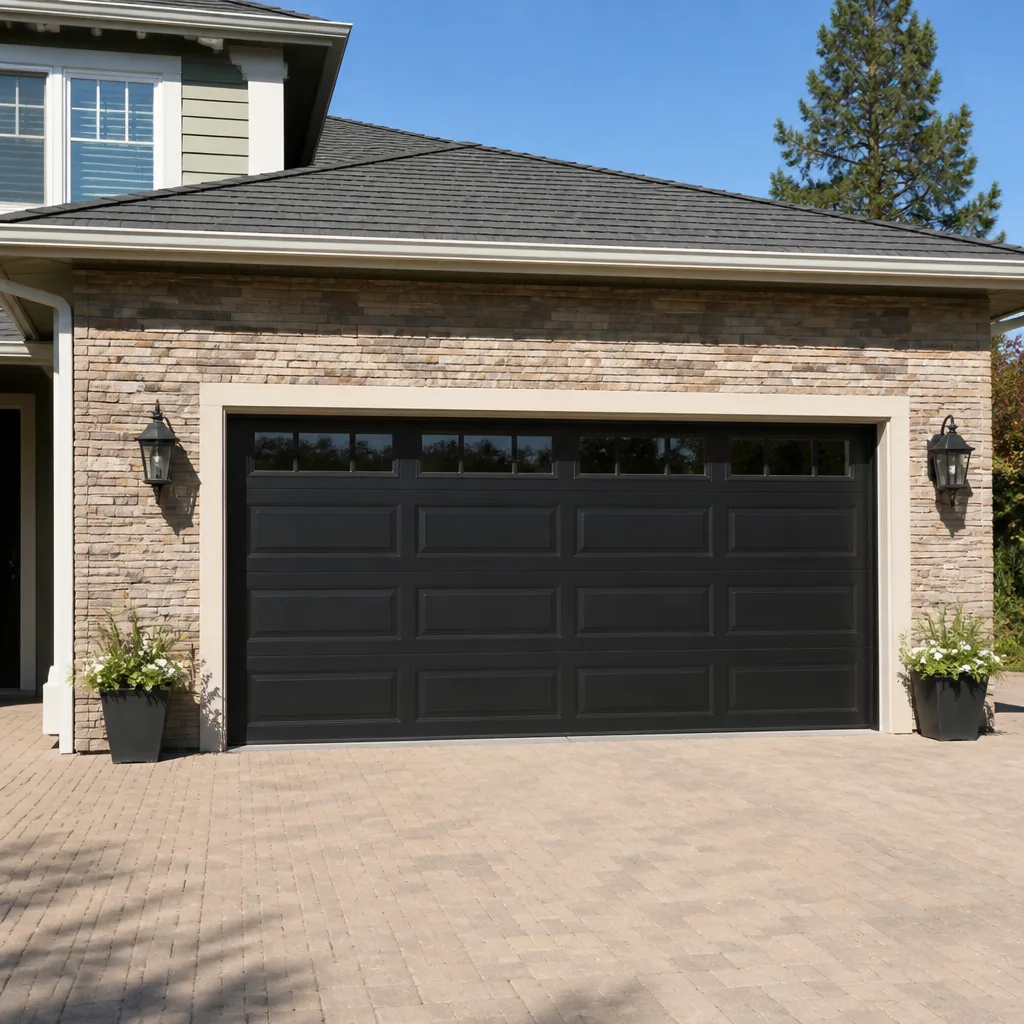 Impact garage doors
 PGT
 CGI
Free in-home measure and quote - PGT, CGI and CWS impact lines compared on your actual openings, style by style
Get your free estimateDIY vs Professional Windows & Doors: The Las Vegas Homeowner’s Decision Guide
Most homeowners assume the DIY-versus-professional decision comes down to skill. It doesn’t, not in Las Vegas. The real dividing line is consequences. In a market where window work above a certain dollar value requires a licensed contractor by Nevada law, where manufacturers attach installation warranties that can be voided by a single improper rough-in, and where many master-planned communities require installer documentation before a frame is touched, a do-it-yourself installation that goes wrong costs more to fix than hiring the right professional would have cost in the first place. This guide walks through what you’re legally allowed to handle yourself, what a realistic cost comparison actually includes, and where the DIY line genuinely makes sense in a Las Vegas home.
Quick Answer
The tasks a homeowner can legally and safely do alone are the small ones: caulking, weatherstripping, screen repair, and swapping hardware. Anything involving the frame, glazing, rough opening, or a full replacement belongs to a licensed contractor in Nevada, and any window project valued over $1,000 generally requires one by law. DIY pays off only on cosmetic and maintenance touch-ups. For full window or door replacement in Las Vegas, professional installation is almost always the cheaper and safer path once permits, stucco repair, disposal, and warranty protection are counted.
Styles & brands we work with
- Single hung
- Double hung
- Horizontal roller
- Casement
- Bay & bow
- Sliding glass doors
- Entry doors
- Impact garage doors
- PGT
- CGI
Table of Contents
- What Nevada law actually requires for window work
- What a homeowner can legally and safely do alone
- How a DIY rough-in affects the manufacturer’s installation warranty
- The HOA factor in Las Vegas master-planned communities
- A realistic cost comparison: permit, stucco, and disposal
- What the desert climate demands from installation
- The one scenario where DIY makes sense
- What “done right” looks like so the work passes inspection
What Nevada law actually requires for window work
Nevada contractor licensing law makes it illegal to hire an unlicensed person to perform construction work valued over $1,000, and window replacement easily crosses that threshold for even a single opening. This is the piece of the DIY conversation most homeowners never hear, because the discussion usually centers on whether the homeowner can handle the labor. It never centers on whether the neighbor who “does windows on the side” is legally permitted to touch the project. That second question matters more, and it shifts the legal risk onto you.
When you hire an unlicensed person to install windows or doors in Las Vegas, the exposure is yours. If the installation fails, if a unit leaks and damages drywall, or if an injury happens on the job, you have no license bond, no insurance channel, and no recourse through the state contractor board. The savings from hiring someone cheap evaporate the moment something goes wrong. The full legal analysis is beyond what any guide can cover, so confirm details with the Nevada State Contractors Board before you commit to any installer.
This has three practical implications for the DIY-versus-pro question:
- You are not the licensed party. A homeowner doing work on their own primary residence is generally exempt from contractor licensing, but that exemption ends the moment you hire help.
- The $1,000 threshold catches almost every window job. A single window replacement usually crosses it. A full-home replacement certainly does.
- Somebody’s license should be on the job. Ask for the license number and verify it in the state database before any work starts. A legitimate window contractor in Las Vegas expects that request.
For a deeper look at how the licensed side of window work runs, see our window replacement service overview.
What a homeowner can legally and safely do alone
Skilled and careful homeowners can absolutely handle a defined set of window and door maintenance tasks. The distinction that matters is between work that adjusts the surface of a system and work that opens up the weather barrier, the structural attachment, or the rough opening. Surface work is yours. Structural work is a licensed project.
Legal and safe DIY window and door tasks in Las Vegas:
- Re-caulking exterior window frames. The desert sun degrades caulk lines faster than most climates, and refreshing the bead once it starts to crack is routine maintenance.
- Replacing weatherstripping on doors. Worn door sweeps and jamb weatherstripping are single-unit swaps that restore the seal.
- Screen repair and replacement. Rescreening an existing frame or replacing a spline takes an afternoon and no permit.
- Swapping door hardware. Handlesets, deadbolts, and hinges can be changed without touching the frame or the rough opening.
- Cleaning weep holes and drainage channels. In Las Vegas, dust and grit collect in window drainage paths and need clearing so the unit can shed water during monsoon season.
- Touch-up painting on trim. Refreshing worn paint on the interior casing is surface work.
Anything past this list – glass replacement, frame adjustment, glazing, sash replacement, or removing a unit from the wall – starts to involve the rough opening and the perimeter seal. That’s where the licensing requirement and the warranty language both kick in.
How a DIY rough-in affects the manufacturer’s installation warranty
This is the part of the DIY decision that catches homeowners after the fact. Almost every window and door manufacturer separates its product warranty from its installation warranty, and the installation warranty is typically conditioned on the work being done by a licensed, approved installer following the manufacturer’s published installation method. Replace a unit yourself, or have an unapproved party install it, and the installation side of that warranty generally drops away. The product warranty on the glass and frame may still hold – but the warranty that covers water intrusion, flashing, and seal failure at the perimeter usually doesn’t.
Before you touch a frame, read the manufacturer’s warranty language carefully. Look for these specific clauses:
- “Installation in accordance with the manufacturer’s published instructions.” If this appears, the warranty depends on a documented install method you may not be able to reproduce without training.
- “Installed by a licensed contractor” / “approved installer.” These are the clauses most likely to void the installation coverage when ignored.
- Exclusions for improper flashing or weather barrier. Most water-intrusion exclusions live here.
- Notification requirements for claims. Note the window of time in which a claim must be filed – missed deadlines are routinely used to deny coverage.
For product lines like eco window systems or ES Windows that carry performance ratings tied to installation method, the manufacturer is effectively telling you the specification only holds when installed to spec. A self-installed unit that isn’t flashed and shimmed correctly is not the same product the manufacturer rated.
The HOA factor in Las Vegas master-planned communities
Many Las Vegas master-planned communities require licensed installer documentation for any window or door change, full stop. This is separate from the city permit requirement and separate from state licensing law – it’s a private contract between you and your HOA, and it’s frequently more prescriptive than either government requirement. If your home sits in a master-planned community, an HOA architectural review is almost always part of the process, and DIY installation is rarely on the approved path.
The documentation HOA architectural committees in Las Vegas commonly ask for includes:
- Contractor license number for any installation crew entering the community.
- Certificate of insurance naming the HOA or homeowner, depending on the community’s policy.
- Manufacturer specification sheet showing the product meets any community color, style, or performance standard.
- Signed architectural approval form before work begins – starting without approval can result in the HOA forcing rework regardless of quality.
Skipping this step means the installation may be rejected after it’s already done. That’s a rework cost borne entirely by the homeowner. If you live in a community like Summerlin, Southern Highlands, or any of the master-planned areas in the valley, pull your HOA’s architectural guidelines first and match your product selection to them before you decide how to install.
A realistic cost comparison: permit, stucco, and disposal
DIY looks cheaper on paper because the paper rarely includes everything. The sticker price of the window is only part of the story – the permit fee, potential stucco repair, packaging disposal, and the cost of fixing a mistake are all real line items. Professional installation bundles these into a written estimate that reveals the true number. A DIY budget that ignores them is a budget that understates the project.
Cost categories that shift the “savings” math on a Las Vegas window replacement:
- Building permit. Required for most window and door replacements in Las Vegas. The fee scales with project scope and unit count, and a licensed contractor submits the application as part of the job.
- Stucco repair. Las Vegas homes are largely stucco exterior. Replacing a window means cutting into the stucco, then patching and re-texturing. A clean repair that matches the surrounding texture is skilled work – a poorly patched wall is permanent.
- Disposal. Old windows, packaging, and construction debris take up space in your trash service for weeks or require a dumpster, both of which cost money and time.
- Inspection re-work. If the installation fails the city inspection, the fixes are yours to fund. Re-opening a wall, adjusting flashing, and re-inspecting can easily exceed what a professional installation would have charged up front.
- Warranty loss. A failed DIY install that drops installation warranty coverage means any leak or seal problem is a self-funded repair for the life of the window.
Add these up honestly and the DIY gap narrows to the point where most homeowners decide the professional path is worth it. The one thing you should never do to close the gap is hire an unlicensed “cheap” installer – the legal exposure is worse than the cost of doing it properly. The right window for your home, not the one somebody happens to have available, is the goal here. For a full-service walkthrough of the process, see our page on window installation.
What the desert climate demands from installation
Las Vegas is not a moderate climate, and window installation here has to answer conditions most of the country doesn’t face. Summers run well above 100°F for extended stretches, UV exposure is extreme, and the seasonal monsoon brings sudden wind-driven rain that hits walls at an angle. The thermal expansion and contraction of frames over the seasons, combined with the intensity of sun exposure, puts real stress on seals and flashing. An installation detail that works in a mild climate can fail here inside a few summers.
What the desert demands from a proper installation in Las Vegas:
- Frames rated for the local thermal swing. Materials that expand and contract with extreme temperature variation need to be installed with proper shims and allowances. Rigid, unyielding installs crack.
- UV-resistant sealants. Standard caulk breaks down fast in the desert sun. The right exterior sealant for this climate is a specific product choice, not a generic one.
- Flashing detailed for wind-driven rain. Monsoon storms push water sideways against walls. Flashing that only accounts for downward water movement lets moisture past the seal.
- Energy performance matched to the climate. Low-E glazing and thermal break frames matter here more than in mild climates because cooling loads dominate the year.
Impact-rated lines from manufacturers like PGT and CGI exist for homes that need storm or code-compliance performance. Here in Las Vegas, the local performance driver is wind, sun, and thermal stress rather than coastal storms. Choosing the right product for these conditions is not a matter of the cheapest option – it’s a matter of matching the specification to the climate. We carry multiple lines precisely so the recommendation follows the home’s needs rather than a single manufacturer’s inventory.
The one scenario where DIY makes sense
The one scenario where DIY genuinely pays off on windows and doors in Las Vegas is maintenance and cosmetic touch-up on a window or door that is structurally sound. Re-caulking a tired exterior bead, replacing a worn door sweep, rescreening a torn fly screen, swapping a dated handleset for a new one, or clearing dust from a drainage channel – all of these are legitimate, safe, and cost-effective to handle yourself. The window or door stays in the wall. The rough opening is untouched. The perimeter seal is refreshed rather than recreated. This is the work that keeps a system performing year after year, and it requires care rather than licensing.
“Done right” at this level looks like:
- Matching the sealant to the surface and climate. Exterior caulk in Las Vegas needs a UV-stable, exterior-grade product rated for high heat. Interior caulk is different.
- Cleaning before sealing. Sealant won’t adhere to dust or old caulk residue. Strip, clean, dry, then apply.
- Filling the joint, not smearing the frame. A clean caulk line is a tooled bead, not a wipe-down with a finger and a rag.
- Confirming the repair didn’t introduce a gap. After you finish, look for exposed weather barrier or flashing you might have disturbed, and re-seat any pieces you moved.
What that scenario does not include is replacing the window or door unit itself. Once you’re pulling a frame out of the wall, you’re into the licensed, permit-required, warranty-sensitive project. If you’re wondering whether your current windows are still performing or need full replacement, our team at Jasper Windows & Doors is glad to look at photos or answer questions before you spend money on either path.
What “done right” looks like so the work passes inspection
A professional installation in Las Vegas that passes inspection follows a fairly standard sequence, and knowing it helps you evaluate any installer’s proposal. The inspection comes down to a small number of things: the permit is on file, the windows are installed to the approved plan, the flashing and weather barrier are correctly lapped, and the final inspection signs off. If any of that is skipped, the installation may look fine from the street and fail the inspection anyway.
The sequence of a properly executed Las Vegas window replacement:
- Permit application. Submitted by the licensed contractor, detailing product specification, unit count, and installation method.
- Old unit removal and rough opening inspection. Removing the previous window, inspecting the rough opening for damage, and correcting any rot or framing issue before anything new goes in.
- Flashing and weather barrier installation. The critical waterproofing step. Getting this wrong is the top cause of leaks and failed inspections.
- New unit set, shimmed, and fastened. Level, plumb, and square, with shims placed to allow for thermal expansion.
- Stucco patching and retexturing. Bringing the exterior wall back to a clean finish matching the surrounding texture.
- Sealing, trim, and finish. Exterior sealant, interior trim, and hardware install.
- Final inspection. The city signs off on the completed work, confirming compliance.
Line up your installer’s estimate against these steps. A professional quote addresses every one of them explicitly. A DIY plan struggles with steps three through five, and those are precisely the ones that determine whether the window holds up through a Las Vegas summer and monsoon season. See how we structure the process on our Las Vegas service page, and ask any contractor you’re considering which step in this sequence they consider the highest priority.
Common Mistakes to Avoid
- Assuming a friend who “does construction” is legally allowed to install your windows. Nevada’s $1,000 threshold makes almost every window replacement a licensed project. If your installer isn’t licensed, the legal risk is yours to hold.
- Buying a unit from a big-box store and having an unapproved party install it. Many installation warranties require a licensed or approved installer. The savings on the install can void the coverage you paid for in the product.
- Skipping the HOA architectural review. In Las Vegas master-planned communities, an unapproved install can be forced into rework even if it’s well-done. Approval before work begins is not optional.
- Assuming a permit isn’t required. Most window and door replacements in Las Vegas are permitted work. Skipping the permit means the work won’t be inspected and can complicate a future sale.
- Underestimating stucco repair. Las Vegas homes are mostly stucco, and a patch that fails to match the surrounding texture is permanent. Budget this as a real line item in either path.
- Buying the window on product alone. A well-rated window installed off-spec performs worse than a modest window installed correctly. The installation is what delivers the specification.
- Planning the exterior sealant as a generic purchase. The desert sun destroys ordinary caulk fast. Exterior sealant here needs to be rated for high heat and UV exposure.
See the difference
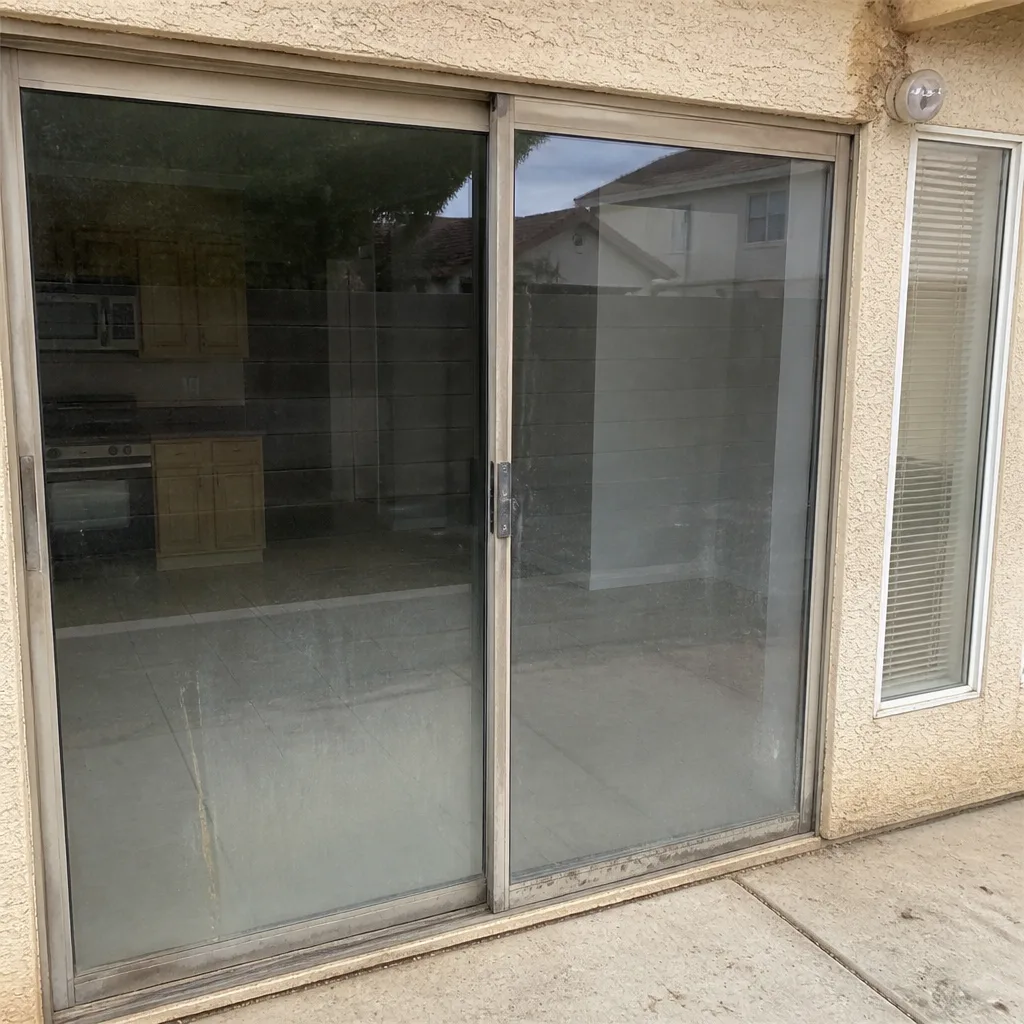 Before
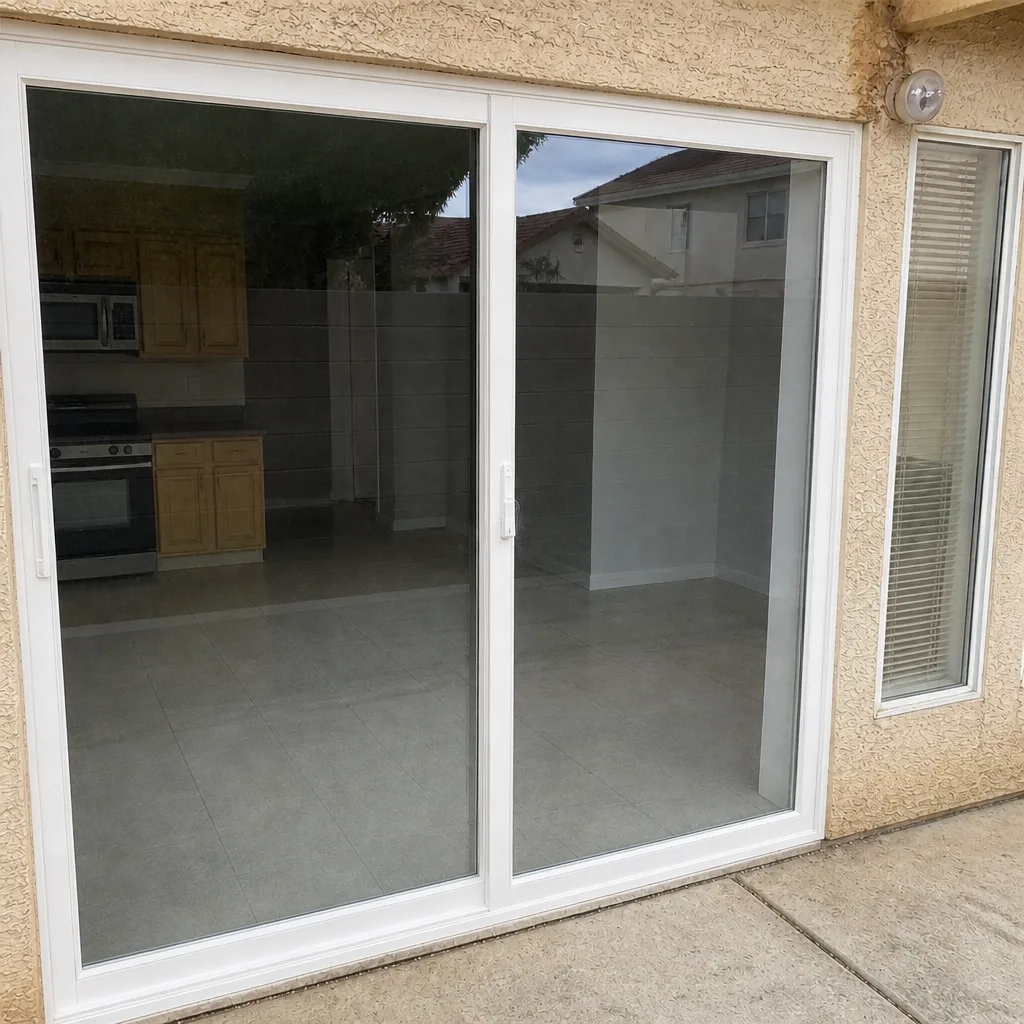 After
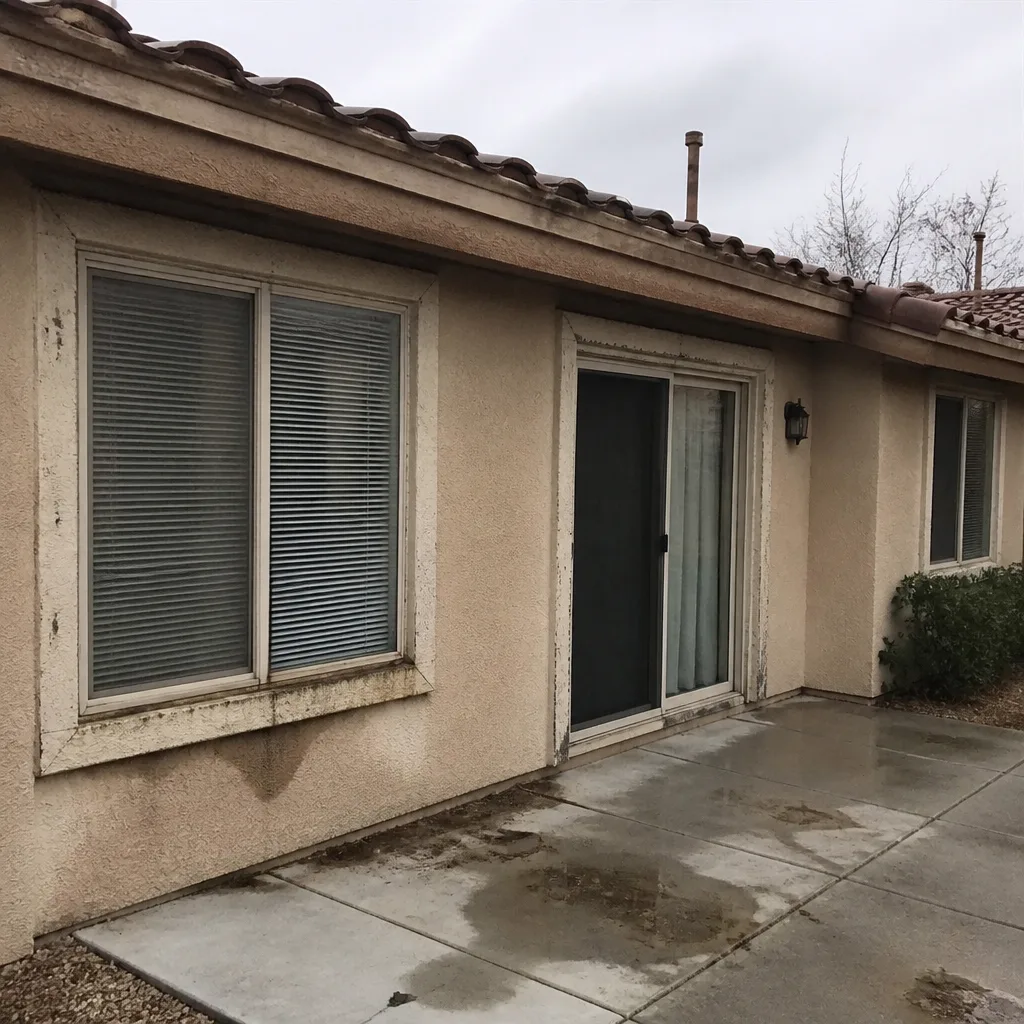 Before
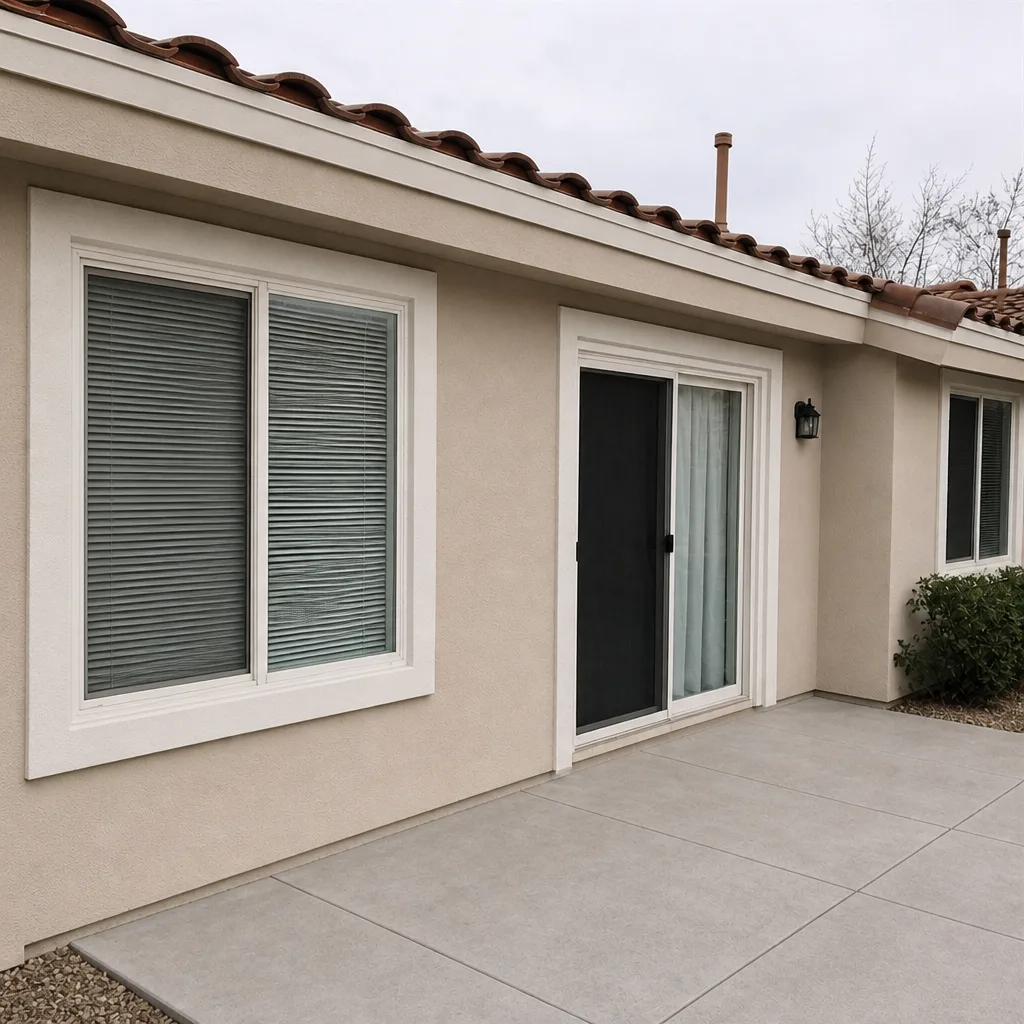 After
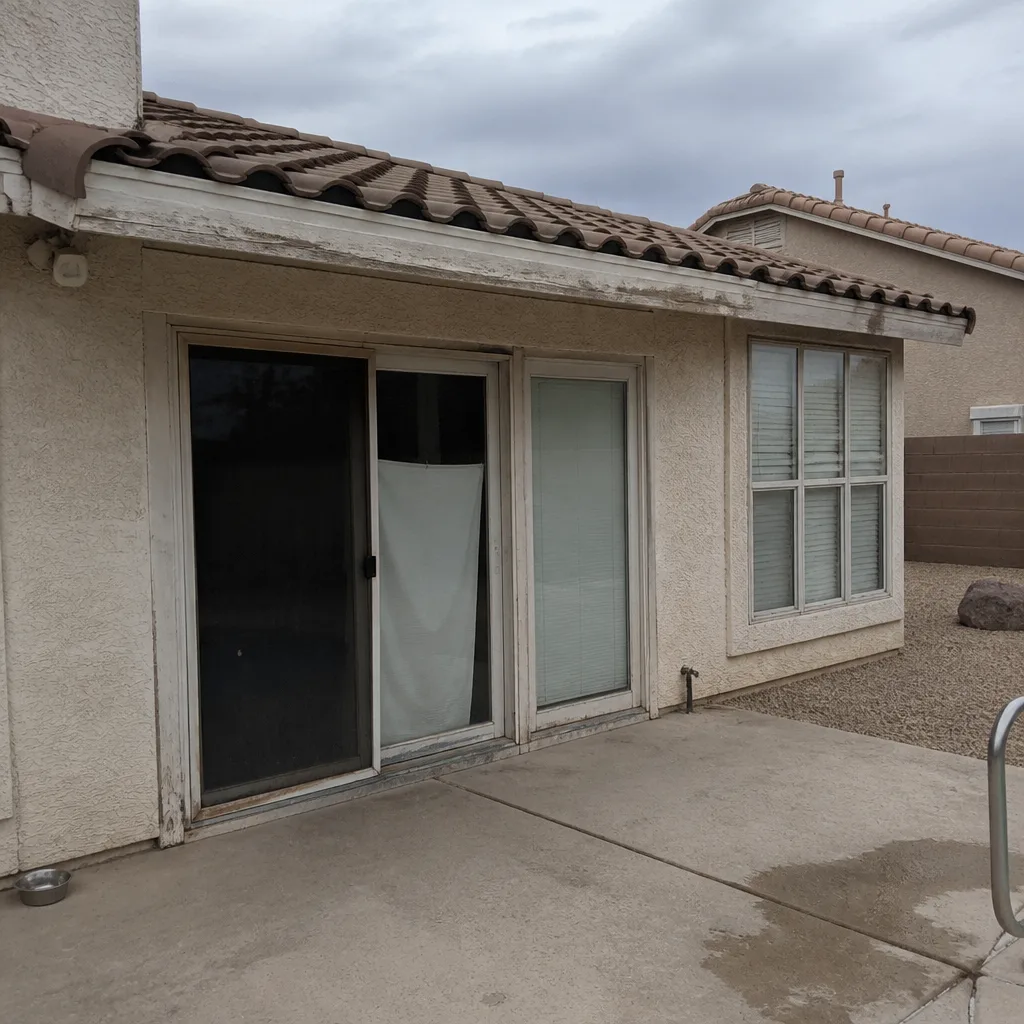 Before
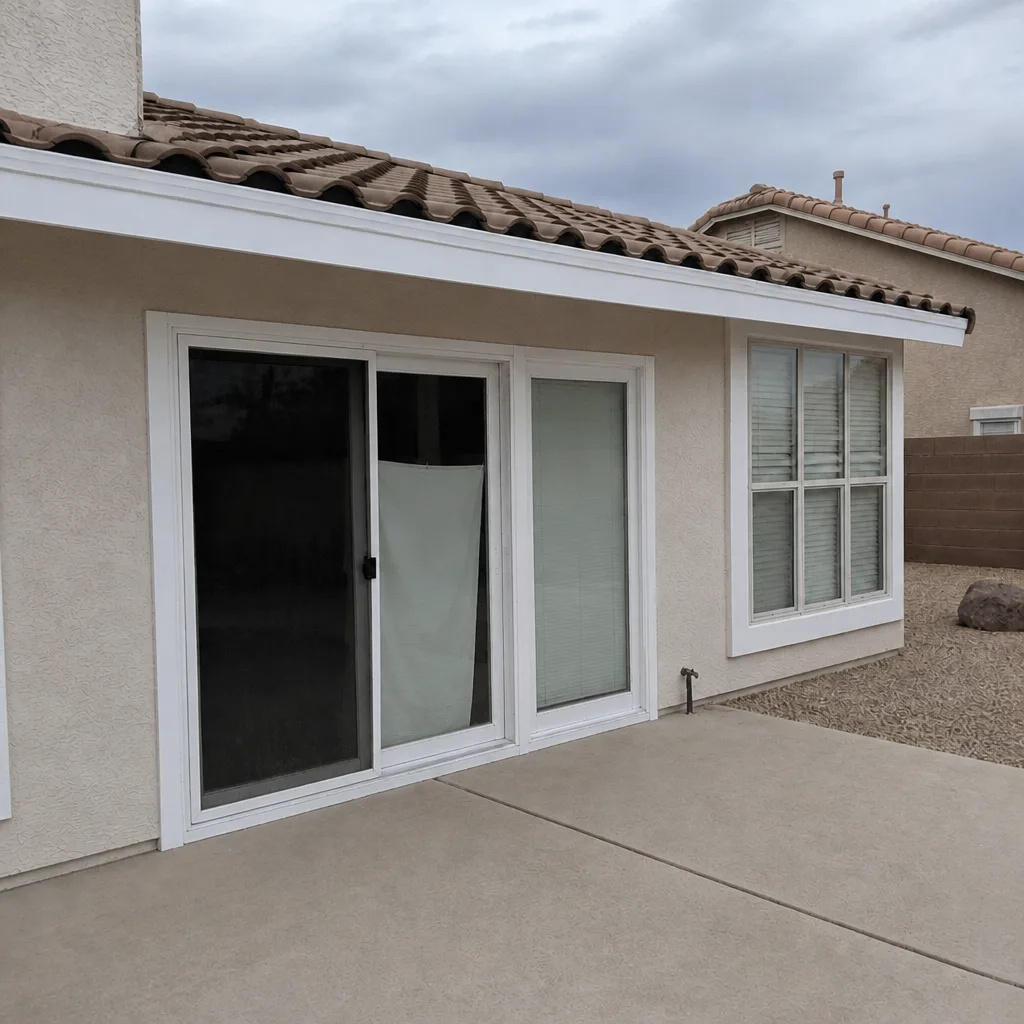 After
When to Call a Professional
Call a professional when the project involves removing a window or door from the wall, replacing glass or sash, adjusting the frame, or opening the rough opening. Those are the licensed, permitted, warrantied tasks. Call when you’re replacing more than one unit, when your home is in a master-planned community with architectural review, or when a current leak, fogged glass, or seal failure needs diagnosis. Call when the climate performance of your existing windows matters – desert heat and monsoon wind expose installation weaknesses fast. Jasper Windows & Doors offers free estimates in Las Vegas – call (844) 761-6772. We carry eight trusted manufacturer lines including CGI, CWS, eco window systems, and ES Windows, and our technicians have up to 10 years of experience installing windows and doors for Las Vegas homes. We answer 24/7. Fast dispatch from 7am to 7pm, Sunday through Friday.
Frequently Asked Questions
Yes, for work on your own primary residence, but the exemption typically ends at the point you hire help. Nevada contractor licensing law applies to most window replacement work valued over $1,000, which covers nearly every full replacement. For installation on your own home, verify the details with the Nevada State Contractors Board before you begin. Call (844) 761-6772 for a free estimate if you decide to go the professional route – estimates are free.
Rarely as much as it appears to. The savings narrow once you count the permit, stucco repair, disposal, and any inspection re-work – and they disappear entirely if the installation warranty is voided by a non-approved install. For an accurate comparison against your specific project, call (844) 761-6772 for a free written estimate. The written estimate sets the final price.
Often, yes, at least on the installation side. Most manufacturers condition installation warranty coverage on a licensed or approved installer following published instructions. The product warranty on the glass and frame may still apply, but the perimeter and water-intrusion coverage usually drops away. Read the specific clauses before you touch a frame, and call (844) 761-6772 if you want help interpreting a warranty document.
Most window and door replacements in Las Vegas require a permit, though specific requirements depend on the scope of work and current local code. A licensed contractor typically submits the permit as part of the job. Call (844) 761-6772 for a free estimate and we’ll walk you through what a permit-required project looks like.
Caulking exterior frames, replacing weatherstripping and door sweeps, rescreening, swapping hardware, cleaning drainage channels, and touch-up trim painting are all legal, safe, and appropriate DIY tasks. Anything involving the frame, glazing, rough opening, or full replacement belongs to a licensed contractor. If you’re unsure which side of the line a task falls on, call (844) 761-6772 – estimates are free.
It usually means DIY installation isn’t an approved path in your community. Many Las Vegas HOAs require a license number, certificate of insurance, product specification sheet, and signed architectural approval before any window or door work begins. Do the review first, then decide how to install. Call (844) 761-6772 for a free estimate and we can confirm what documentation your project will produce.
The Bottom Line
The DIY-versus-professional decision for Las Vegas windows and doors comes down to consequences, not skill. Small maintenance – caulk, weatherstripping, screens, hardware – is yours to handle and worth doing. Anything touching the frame, glazing, or rough opening is a licensed, permit-required, warranty-sensitive project, and the real cost comparison only makes DIY look cheaper when permit, stucco, disposal, and inspection re-work are excluded. Read the manufacturer’s installation warranty, check your HOA’s architectural guidelines, and verify any installer’s license before work starts. Do the small stuff yourself, and bring in a specialist for the rest. The right window for your home, not the one anybody happens to have available, is what matters.
If you’re ready to compare options or get a written estimate on a window or door project in Las Vegas, call (844) 761-6772. We answer 24/7. Fast dispatch from 7am to 7pm, Sunday through Friday. Estimates are free, and the written estimate sets the final price. We carry eight manufacturer lines – PGT, CGI, CWS, ES Windows, eco window systems, Mr-Glass, Therma-Tru, and ViewLux – so the recommendation follows your home’s needs, not a single brand. Authorized to supply and install Therma-Tru, and experienced with impact-rated and energy-efficient products for the desert climate. Replacement done once, done right – with brands built to last decades.
Written by the team at Jasper Windows & Doors.