Last updated November 16, 2026
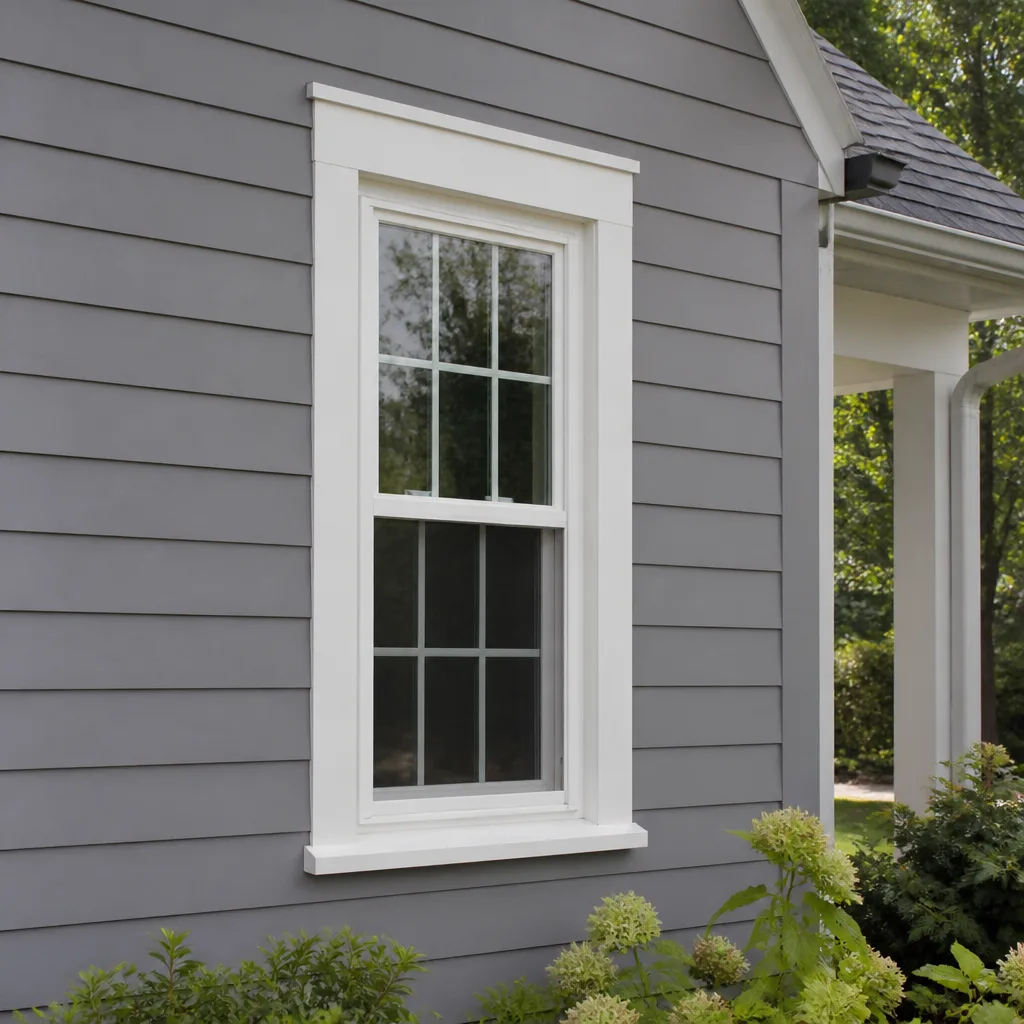 Single hung
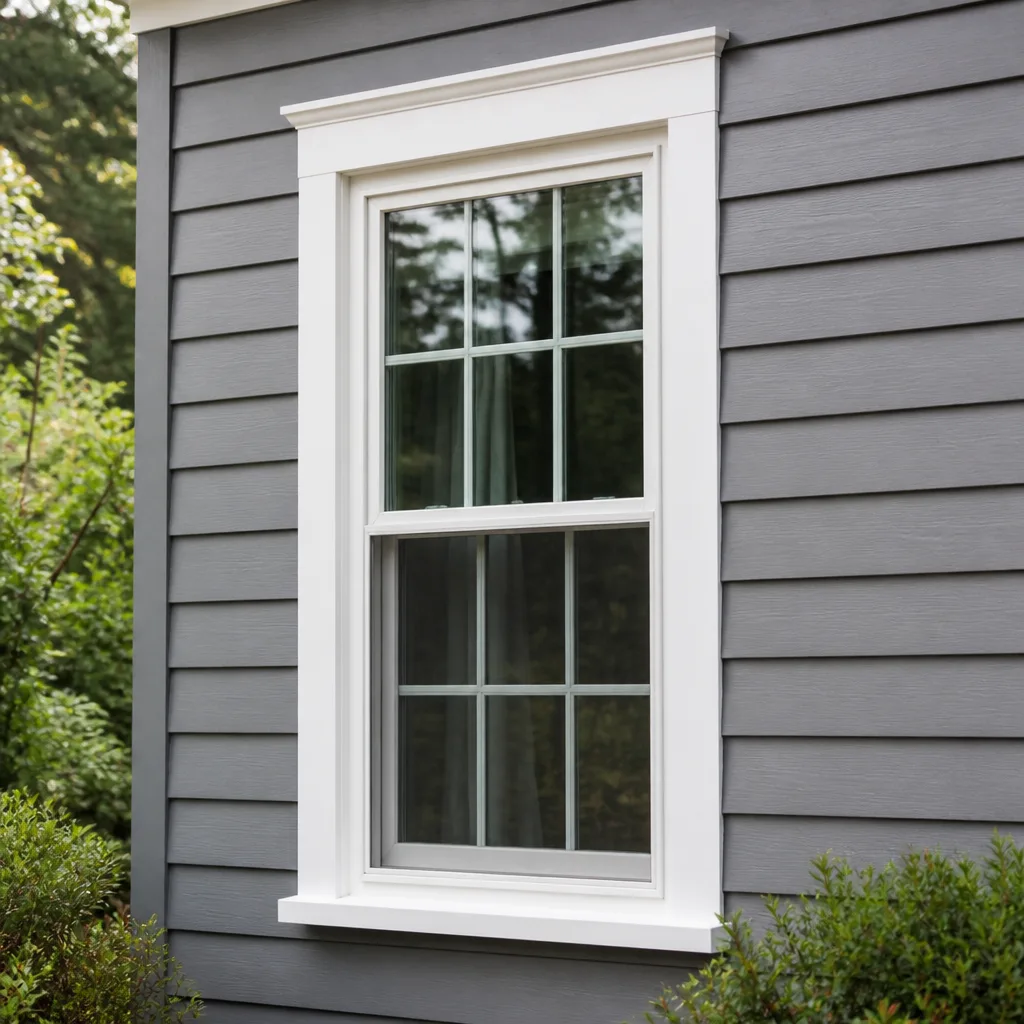 Double hung
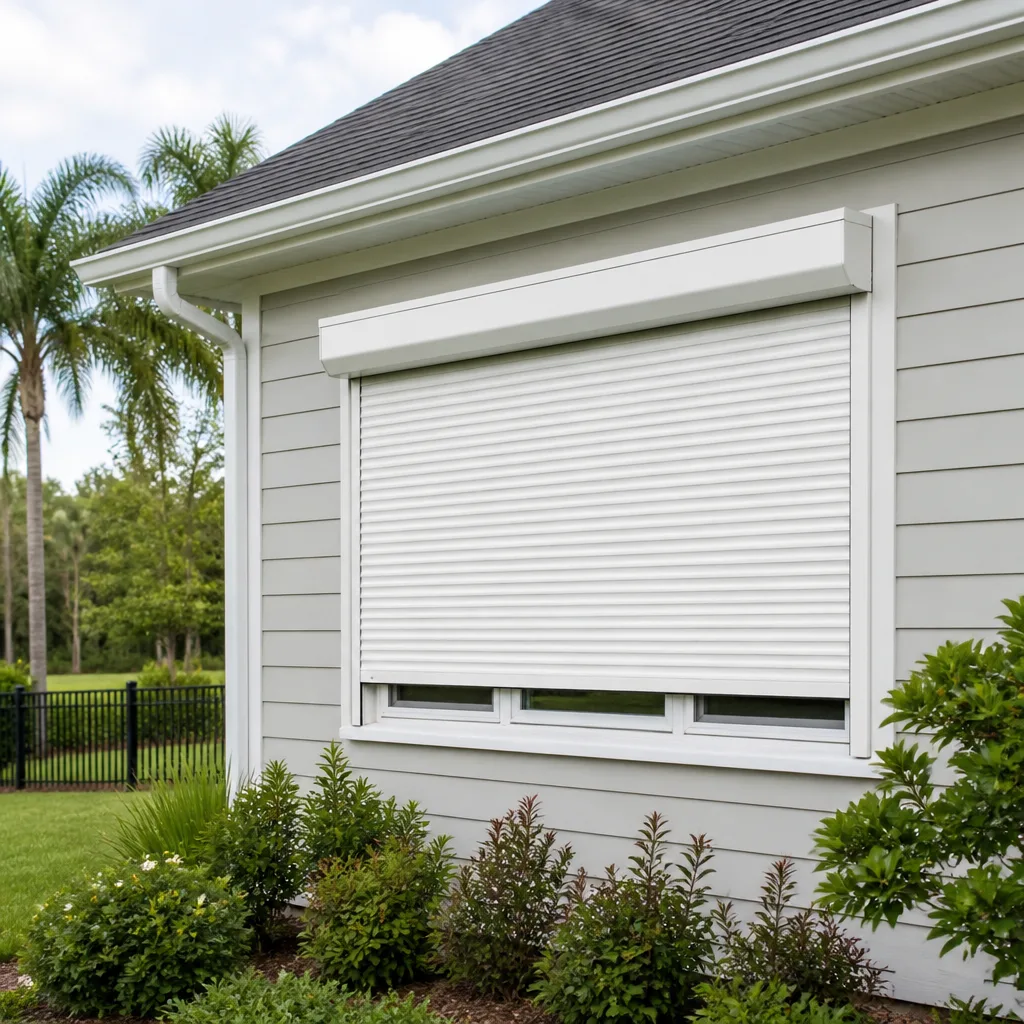 Horizontal roller
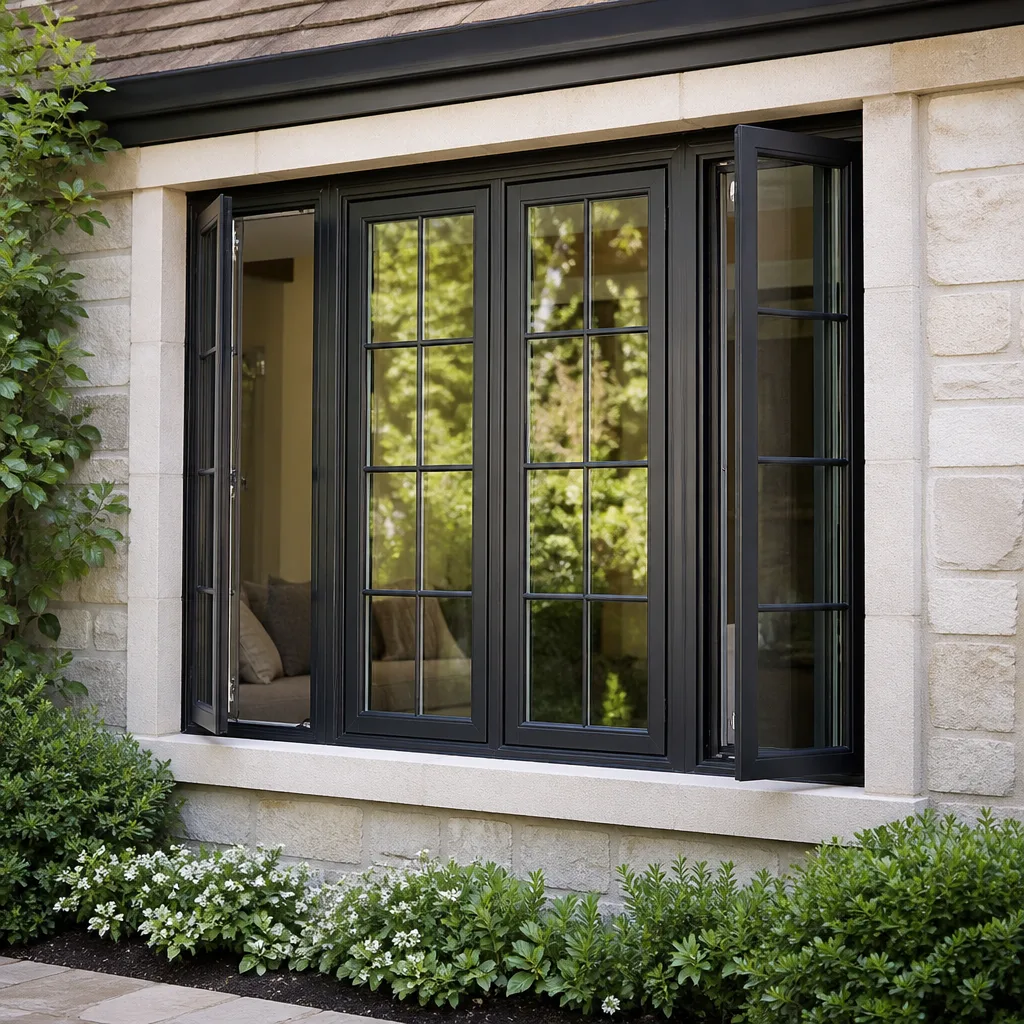 Casement
 Bay & bow
 Sliding glass doors
 Entry doors
 Impact garage doors
 PGT
 CGI
Free in-home measure and quote - PGT, CGI and CWS impact lines compared on your actual openings, style by style
Get your free estimateWindow Replacement Maintenance Checklist for Las Vegas Homeowners
A window seal that holds for twenty years in Portland can fail in eight here. Not because of a manufacturing defect, but because nobody told the homeowner to check for thermal-expansion gaps every spring. That’s the gap this guide fills. Generic maintenance checklists recycle advice written for cool, damp climates with mild summers. Las Vegas homeowners live under different forces: relentless UV, caliche dust that settles into every weep hole, and monsoon moisture that arrives in violent bursts each July. This guide walks you through a maintenance rhythm tuned to those conditions, so the windows you invested in reach the lifespan they were built for. You’ll learn what to check, when to check it, and when a small fix becomes a call to a specialist.
Styles & brands we work with
- Single hung
- Double hung
- Horizontal roller
- Casement
- Bay & bow
- Sliding glass doors
- Entry doors
- Impact garage doors
- PGT
- CGI
Quick Answer
Las Vegas homeowners should inspect windows four times a year: a pre-summer heat-prep check in spring, a monsoon caulk inspection in early summer, a post-summer UV and seal audit in fall, and a winter draft and condensation check. The highest-value tasks are clearing caliche dust from weep holes and track systems, checking caulk joints for thermal-expansion gaps, and inspecting low-e coatings for clouding or discoloration. Most of this work is visual and can be done without tools. Structural seal failure, cracked glass, and damaged frames call for a trained technician.
Table of Contents
- Why Las Vegas Windows Need Their Own Checklist
- Your Month-by-Month Maintenance Calendar
- Caliche Dust: The Silent Enemy in Your Weep Holes
- How to Tell If Your Low-E Coating Has Degraded
- Thermal Expansion: What’s Normal on Vinyl, Fiberglass, and Aluminum
- Maintenance That Protects (or Voids) Your Warranty
- Monsoon-Season Moisture Intrusion Checks
- Repair or Replace? Reading the Signs
- Common Mistakes to Avoid
- When to Call a Professional
- Frequently Asked Questions
- The Bottom Line
Why Las Vegas Windows Need Their Own Checklist
Most window maintenance advice you’ll find online was written for a climate with moderate temperature swings, regular rainfall, and long stretches of soft light. Las Vegas is the opposite on every count. Summer highs push aluminum framing past 140°F on a sun-exposed wall. Interior temperatures hover in the low 70s. That 70-degree differential across the glass and frame is what drives expansion and contraction cycles, and it’s why caulk joints here age faster than the same joint would in a cooler city. Add the desert’s aggressive UV index, which breaks down sealant and rubber gaskets year-round, and you have a maintenance environment that punishes anything left alone for a decade.
Caliche dust is the third force. It’s the fine, alkaline residue that blows off the desert floor and settles on every horizontal surface, including window tracks and weep holes. When rain finally arrives during monsoon season, that dust turns into a mud that clogs drainage paths and pushes water toward the interior wall. In our experience working with homeowners across Las Vegas, the single most overlooked maintenance task is clearing weep holes and tracks. It takes ten minutes and it prevents the kind of water damage that costs far more than a new window.
The good news is that a Las Vegas window doesn’t need more maintenance than one in a milder climate. It needs different maintenance on a different schedule. Once you understand what the desert does to glass, sealant, and framing, a simple four-times-a-year routine covers almost everything.
Your Month-by-Month Maintenance Calendar
The calendar below is built around Las Vegas’s actual seasons rather than a generic template. Spring, early summer, and late summer each stress windows differently. If you can commit to four short checks a year, you’ll catch most issues before they become replacements.
Spring: Pre-Summer Heat Prep (March through May)
This is your most important check of the year. Summer heat is about to arrive, and anything already weakening will fail once the temperature climbs.
- Walk the exterior and inspect every caulk joint around window and door frames. Look for thin cracks, gaps, and lifting sealant.
- Clean weep holes at the bottom of each window frame with a soft brush or a shop-vac on low suction.
- Wash exterior glass with a mild soap solution and a soft cloth. Check for any clouding or discoloration in the corner that might indicate seal failure.
- Test every operable window for smooth opening and closing. If a sash drags or sticks, the hardware may need adjustment before summer.
- Check screens for tears and loose frames. Those small holes let dust in faster.
Early Summer: Monsoon Caulk Inspection (June)
Monsoon season typically runs from July through September. Before it arrives, re-check every caulk joint you inspected in spring and repair any that have opened up. Look at the seal between window frame and stucco, and between sill and wall. Repairing a cracked joint in June costs a tube of caulk. Repairing moisture damage in September costs much more.
Late Summer: Post-Monsoon UV and Seal Audit (September through October)
After a summer of heat and rain, the wear shows. Inspect the same joints again. Look for new cracks, chipped paint around frames, and stress marks near the corners of the glass. This is also the best time to check low-e coating performance, which we cover in its own section below.
Winter: Draft and Condensation Check (November through February)
Winter in Las Vegas is mild, but the temperature swing between day and night gives you a clear read on seal integrity. On a cold morning, run your hand slowly around the interior perimeter of each window. Feel for drafts. Check for condensation forming on the inside of the glass, especially in the corners. Fog between panes, interior condensation on a double-pane window, or a perceptible draft all point to seal failure that may need a professional look.
Caliche Dust: The Silent Enemy in Your Weep Holes
Weep holes are the small slots at the bottom of most modern window frames, designed to let water drain out and let air circulate behind the sash. On a Las Vegas window, those slots are also where caliche dust accumulates fastest. Between windblown dust and the very fine residue that settles after a rain, weep holes can go from clear to fully blocked in a single season. That’s a problem when monsoon rain hits, because water has nowhere to go but inward.
You can spot a clogged weep hole by looking at the bottom of the frame from outside. If you can’t see through the slot, or if the slot is filled with pale gray-tan crust, it’s blocked. Cleaning is straightforward:
- Use a soft-bristled brush or a can of compressed air to loosen the dust.
- Follow with a shop-vac on low suction to pull the loosened residue out of the slot and track.
- Wipe the track clean with a damp cloth, then dry it fully.
- If the crust is hard and won’t loosen, use a nylon brush only. Never use a metal tool, which can scratch the finish or damage the frame.
The same logic applies to the track on sliding windows and glass doors. Caliche dust packs into the lower rail, and over a few years it grinds against the rollers. If your sliding door starts to drag, dust in the track is usually the first thing to check. Homeowners across the valley, from established neighborhoods to newer desert communities, deal with this same pattern. The track should be cleaned at least twice a year, and more often if your home backs onto open desert or a construction site.
If you’ve inherited old windows and don’t know their history, this is one of the checks a window replacement consultation covers. A specialist can tell you whether the existing frames are clean and sound enough to keep, or whether the track system has already been damaged by years of grit.
How to Tell If Your Low-E Coating Has Degraded
Low-e glass carries a microscopically thin metallic coating that reflects radiant heat back where it came from. That coating is what keeps a west-facing room from turning into an oven in July. It’s also one of the least durable parts of the window system in this climate, because UV light degrades it slowly over years. The good news is that you can usually spot the problem without any tools, and catching it early can spare you the cost of premature replacement.
Here’s the $0 inspection you can do yourself:
- On a bright, sunny day, stand inside and look at the glass from an angle rather than straight on.
- Look for a haze, clouding, or purplish-bronze discoloration that only shows up in certain light.
- Compare a sun-exposed window to one on the shaded side of the house. If the exposed window looks noticeably different, the coating has begun to break down.
- Look for small pinholes or localized reflective patches that appear where the rest of the glass is matte.
- Check for fog that won’t wipe away. Fog between the panes means the seal has failed, which usually means the low-e coating is compromised too.
If you see any of these signs, the window is past the point where cleaning will help. The coating is inside the sealed unit, so it can’t be restored from the outside. In most cases, the practical choice is a full glass unit replacement or a whole-window replacement, depending on the age of the frame. If your windows are original to a house built in the 1990s or early 2000s, the coating technology from that era is also far behind what modern window installation delivers. Today’s impact-rated and energy-efficient lines from manufacturers like CGI, ECO Window Systems, and ES Windows reflect far more heat and hold up longer to UV stress.
Thermal Expansion: What’s Normal on Vinyl, Fiberglass, and Aluminum
Every frame material expands and contracts as the temperature changes. The question is how much, and when the movement starts to matter. In Las Vegas, with its extreme day-night swings and unshaded exterior walls that hit triple-digit surface temperatures, frame movement is more pronounced than in most of the country. Knowing what’s normal for your material tells you whether a visible gap needs attention.
Vinyl Frames
Vinyl has the highest expansion rate of the three common materials. On a long window run facing south or west, you may see a slight waviness in the frame on very hot afternoons that disappears by evening. That’s usually normal. What’s actionable is a gap at the corner weld, a caulk joint that pulls away by more than a thin sliver, or a sash that won’t fully close during peak heat. Those suggest the frame wasn’t installed with enough allowance for movement, or that the anchor points have loosened.
Fiberglass Frames
Fiberglass is more stable and moves less than vinyl. You may notice small seasonal shifts in the sash alignment, but a fiberglass frame that shows a visible crack at a joint, or persistent sagging, has a problem. In our experience, fiberglass failures here are usually installation-related rather than material-related.
Aluminum Frames
Aluminum has lower overall expansion than vinyl but conducts heat far more readily, so it can feel hot to the touch and transfer that heat straight to the interior. Aluminum frames are common in older Las Vegas homes, and the joints and seals age faster in this climate. Watch for separation between the aluminum frame and the stucco, and for any visible line of daylight or air infiltration at the perimeter. That’s a message that the sealant or flashing has failed.
When the Gap Crosses from Acceptable to Actionable
A simple rule: if a gap is wide enough to slide a business card into, and it doesn’t close up as the day cools, it’s worth a look from a specialist. If you can see daylight through it, or feel moving air, it’s time to call. Beyond the energy loss, an open gap lets caliche dust and monsoon moisture straight into the frame cavity.
Maintenance That Protects (or Voids) Your Warranty
Manufacturer warranties on windows and doors almost always include a maintenance condition. The warranty covers defects in materials and workmanship, not damage from neglect. If a claim is denied, it’s usually because the manufacturer can point to something the homeowner didn’t do. That’s not a reason to worry. It’s a reason to keep a simple record.
Tasks that protect your warranty, and that most warranties expect you to perform:
- Cleaning weep holes and drain paths at least annually to prevent water backup.
- Inspecting and repairing sealant around the frame perimeter.
- Cleaning glass and frames with products specified in the manufacturer’s documentation, not abrasive cleaners.
- Lubricating hardware per the manufacturer’s instructions.
- Promptly reporting any defect you notice, rather than waiting.
Tasks that commonly void coverage:
- Using a pressure washer on frames or seals. The force damages caulk joints and can drive water past the seal.
- Using abrasive cleaners or solvents on glass, screens, or finishes.
- Painting over weatherstripping, gaskets, or weep holes.
- Removing or modifying frame components without authorization.
- Letting visible damage go unattended until it worsens.
Documenting your inspections is the easy part. Take cell phone photos of each window at each seasonal check, ideally with a date stamp. Note any issues in a simple log on your phone. If a claim ever comes up, that record is what separates “we maintained this window” from “we think we did.” It’s not elaborate; a folder of photos and a short running note is enough. If you’re unsure whether your window is covered, the manufacturer’s documentation is the place to start, and we’re glad to point you to the specs for our PGT, CGI, CWS, ES Windows, ECO Window Systems, Mr-Glass, Therma-Tru, and ViewLux product lines. Our technicians have up to 10 years of experience and can help you read a warranty for the specifics.
Monsoon-Season Moisture Intrusion Checks
Monsoon rain in Las Vegas is intense and short. That pattern is exactly what window seals handle worst: a sudden burst of water against a joint that’s been baking in 100°F heat for weeks. If the caulk has cracked, the water finds the crack. After any significant monsoon storm, do a quick walk around the exterior of the home.
- Check every caulk joint for new separation or water staining.
- Look for standing water in the window track, which means a weep hole is blocked.
- Look for dark streaks on the stucco below a window, a sign that water is running behind the frame.
- Inside, check the drywall and paint around each window for soft spots, bubbling, or discoloration.
- Feel for dampness along the sill and on the wall around each window.
The interior checks matter most. By the time you see a water stain on the drywall, moisture has already been inside the wall cavity, and that’s where repair costs escalate. Interior checks after a storm are the cheapest inspection you’ll ever do.
Repair or Replace? Reading the Signs
Not every issue means a new window. But some do, and getting the call right saves you from paying twice. Here’s how to sort them:
Problems usually worth repairing:
- A failed caulk joint that’s limited to one window.
- A sticking sash that needs hardware adjustment.
- A torn screen.
- A single failed seal on a newish window that’s still under warranty.
Problems that generally point to replacement:
- Fog or condensation between the panes that won’t clear.
- Visible low-e degradation (clouding, discoloration) on multiple windows.
- Frame rot, deep cracking, or structural damage.
- Multiple windows with failing seals in a house from the same era.
- Draftiness and rising energy bills despite intact seals.
If two or more windows in your home show the same symptom, the frame itself may be near end of life. That’s when replacing as a set makes more sense than patching one at a time. The same logic applies to doors: an aging exterior door with a worn threshold and failing seals is a heat loss problem in summer as much as a draft problem in winter.
When the time does come, the choice of product matters as much as the installation. Modern impact-rated and energy-efficient window lines handle Las Vegas conditions far better than the products of even ten years ago, and the right fit depends on which side of the house the window faces, how much direct sun it takes, and what the surrounding structure requires. A specialist who carries multiple competing lines can compare specifications against your home rather than steering you to whatever happens to be on a distributor’s shelf. That’s part of why we carry eight manufacturer lines at Jasper Windows & Doors rather than one.
Common Mistakes to Avoid
- Pressure-washing the windows or frames. It looks efficient and it’s the fastest way to break a caulk joint. The force drives water past the seal and can strip the finish. Use a hose on a gentle spray and a soft cloth.
- Ignoring weep holes because they look dirty. Dust in a weep hole is the front end of the problem. If you clean them twice a year, the monsoon drain path stays open all summer.
- Caulking over a wet joint. Sealant won’t bond to a damp surface, and it will fail again within a season. Make sure the joint is fully dry before you repair it.
- Assuming dust inside a double-pane window is a cleaning problem. It’s inside the sealed unit. No amount of wiping will fix it. Fog, dust, or condensation between panes means the seal has failed.
- Skipping the winter draft check because winters here are mild. Winter is when seal failures are easiest to find. A cold morning tells you more about your windows than any other time of year.
- Patching one failing window when five are the same age. If your windows all went in the same year, they’re all reaching end of life together. Repair one and you’ll be back for another next month.
- Throwing out the manufacturer paperwork. Warranty claims depend on documentation. Keep the paperwork, and keep your own maintenance log alongside it.
When to Call a Professional
Most of the checks in this guide are homeowner work. But some situations deserve a trained eye, and waiting rarely helps.
Call a specialist if you find any of these:
- Fogging or condensation between panes on any window.
- Cracks in the glass, especially near the corners.
- Visible frame damage, rot, or separation from the stucco.
- A draft or water stain that returns after you’ve repaired the caulk joint.
- A window that won’t latch, open, or close properly.
- Any sign of water intrusion into the interior wall.
These are not jobs to work through on your own. A trained technician can tell you in one visit whether the window can be repaired or whether it needs replacement, and can compare product specifications to your home’s actual exposure. If you’re seeking an exact quote, Jasper Windows & Doors offers free estimates in Las Vegas. Call (844) 761-6772. We answer 24/7. Fast dispatch from 7am to 7pm, Sunday through Friday.
Frequently Asked Questions
Four times a year is the right cadence: spring for pre-summer heat prep, early summer before monsoon, late summer after monsoon, and winter for draft and condensation checks. The spring and post-monsoon checks matter most because Las Vegas UV and monsoon moisture are the two forces that age windows fastest. Beyond those four checks, walk the exterior after any significant monsoon storm to catch water intrusion before it reaches the wall.
Fog or dust between panes means the sealed unit has failed and outside air is getting in. The low-e coating is likely compromised too. The unit needs to be replaced, whether as just the glass or as a whole window depending on the frame’s age and condition. If the frame is still sound, a glass unit replacement is usually the right call. If the frame is old, replacement of the whole window makes more sense. Call us at (844) 761-6772 and we can help you sort out which case you’re in.
Use a soft brush or compressed air to loosen the dust, follow with a shop-vac on low suction, then wipe the track with a damp cloth and dry it fully. Do it at least twice a year, and more often if your home backs onto open desert or construction. Never use a metal tool because it scratches the frame and creates a fresh surface for more dust to cling to.
Often yes. A haze or purplish-bronze tint that only shows in certain light is the classic sign that the low-e coating has degraded. Compare the sun-exposed window to one on a shaded side; if they look noticeably different, the coating is breaking down. The coating is inside the sealed unit and can’t be restored, so it’s a repair decision rather than a cleaning one.
Yes, in two ways. First, the constant expansion and contraction from summer heat cycles stress caulk joints and rubber gaskets far more than a mild climate would. Second, high UV levels break down sealant and frame finishes faster. A window properly maintained in Las Vegas will last as long as one in a milder climate. A window left alone for fifteen years here will not.
Often yes, if the frame is still healthy. Glass-only replacement makes sense for a single failed seal or a cracked pane in an otherwise sound window. If the frame is also aged, warped, or shows structural damage, a whole-window replacement is more economical over the life of the window. A specialist visit is the quickest way to know which path you’re on.
The Bottom Line
The windows in a Las Vegas home live under a specific set of pressures: extreme heat, aggressive UV, caliche dust, and monsoon moisture. The maintenance routine doesn’t need to be complicated. Four seasonal checks a year, two track cleanings, and an eye on caulk joints and low-e coatings will carry the windows through the service life they were designed for. Keep a simple log and take photos at each check so your warranty stays intact. Get the routine right, and the frames, seals, and coatings do the rest. When a check turns up a problem you’re not sure how to read, the honest answer is usually one visit from a specialist, not a decade of guessing. Call (844) 761-6772. We answer 24/7. Fast dispatch from 7am to 7pm, Sunday through Friday. Estimates are free.
Written by the team at Jasper Windows & Doors.
See the difference
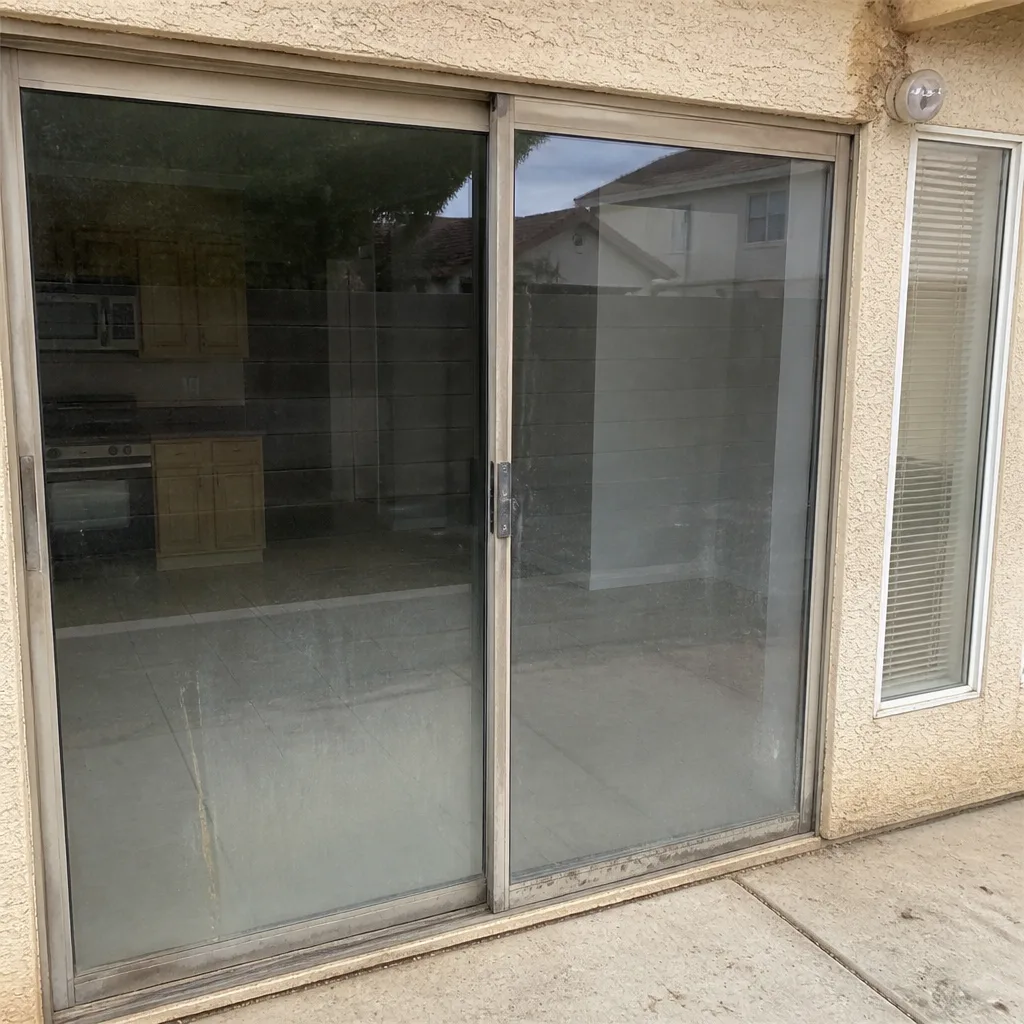 Before
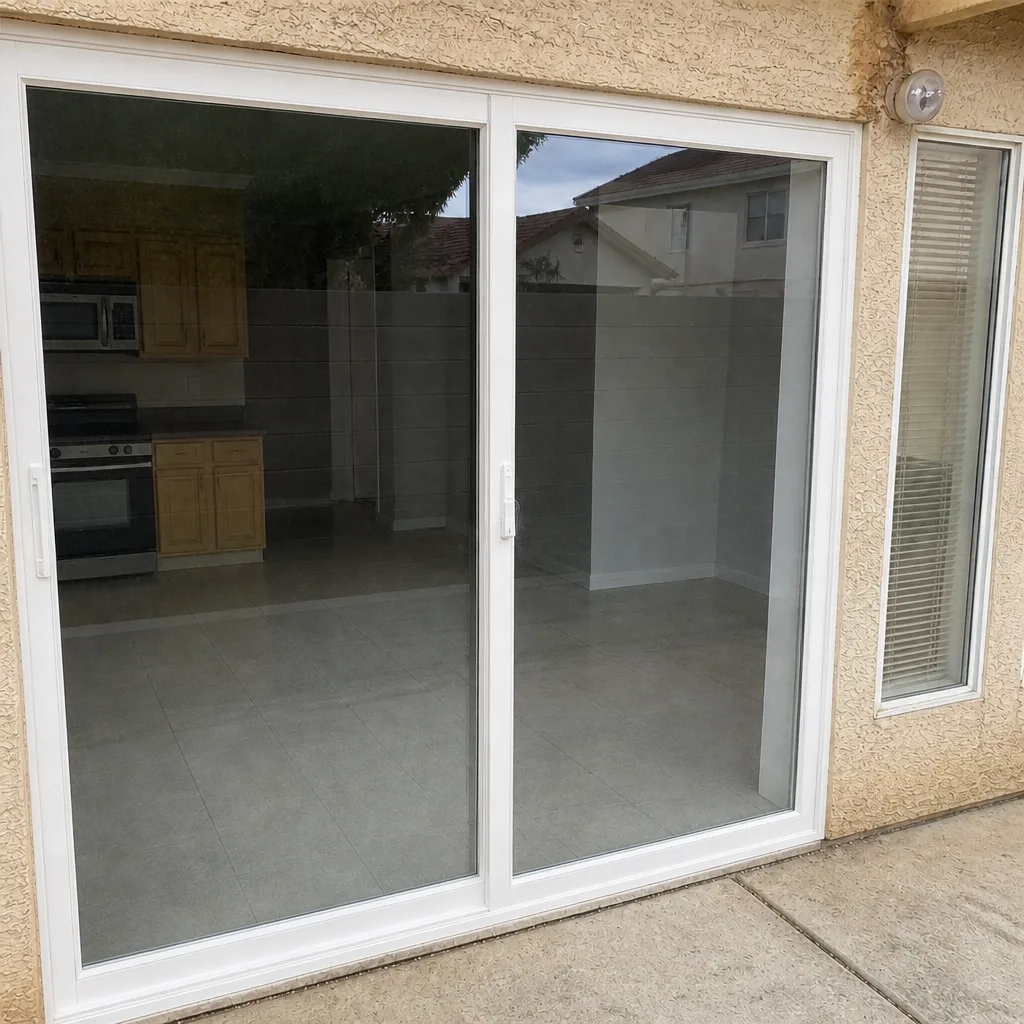 After
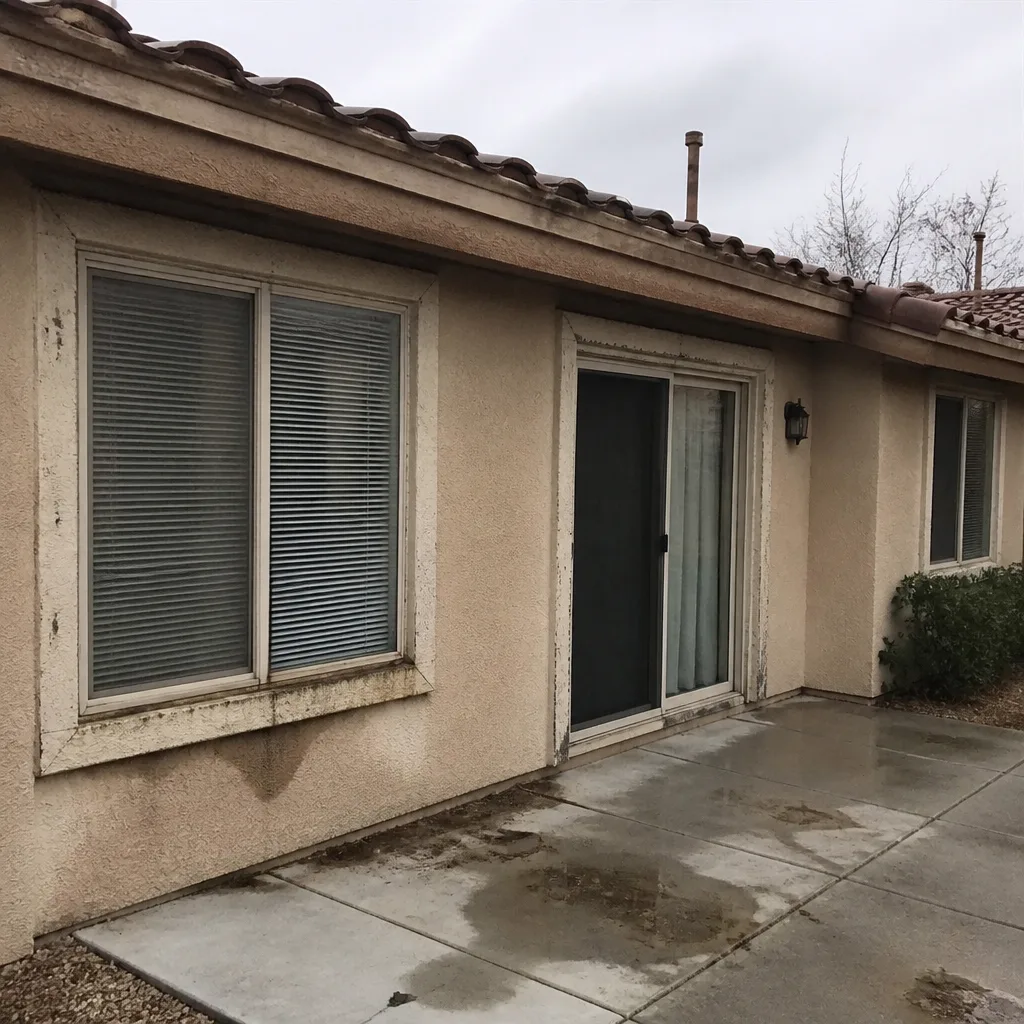 Before
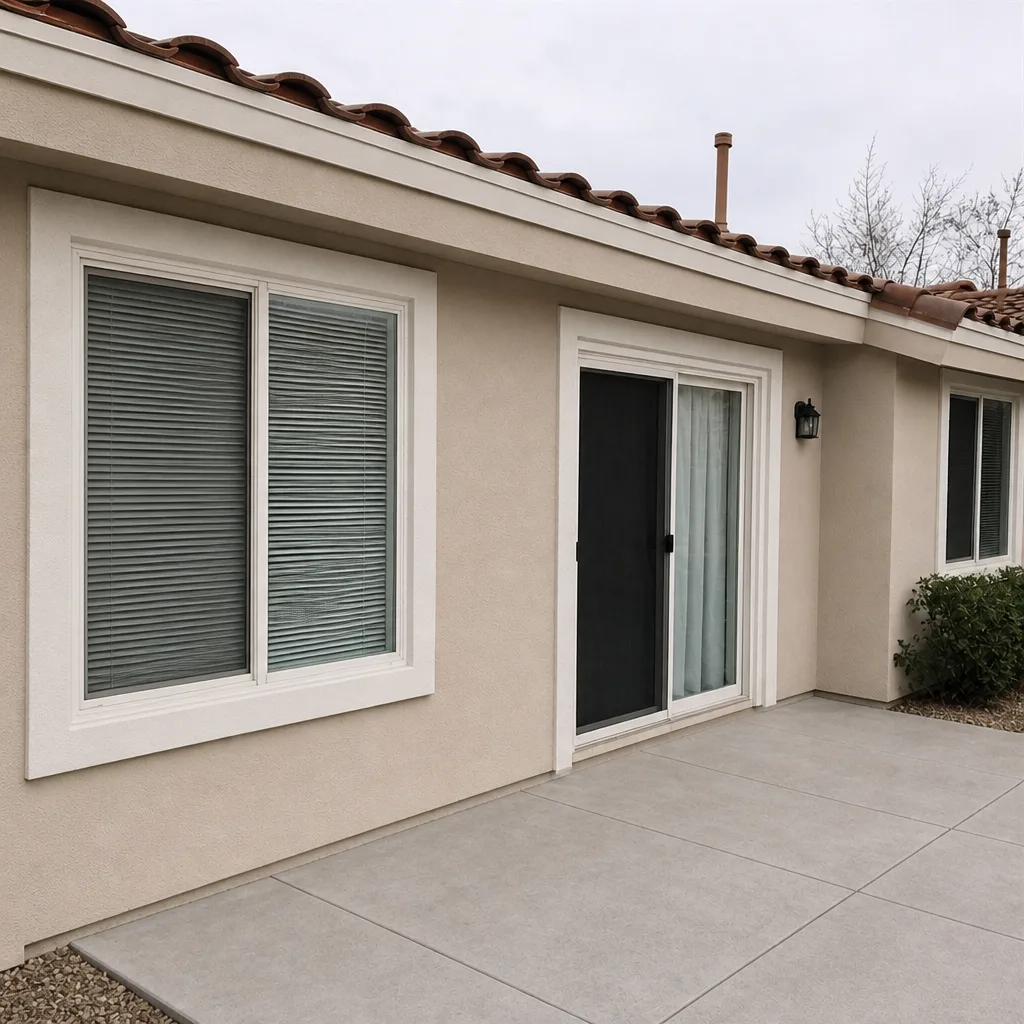 After
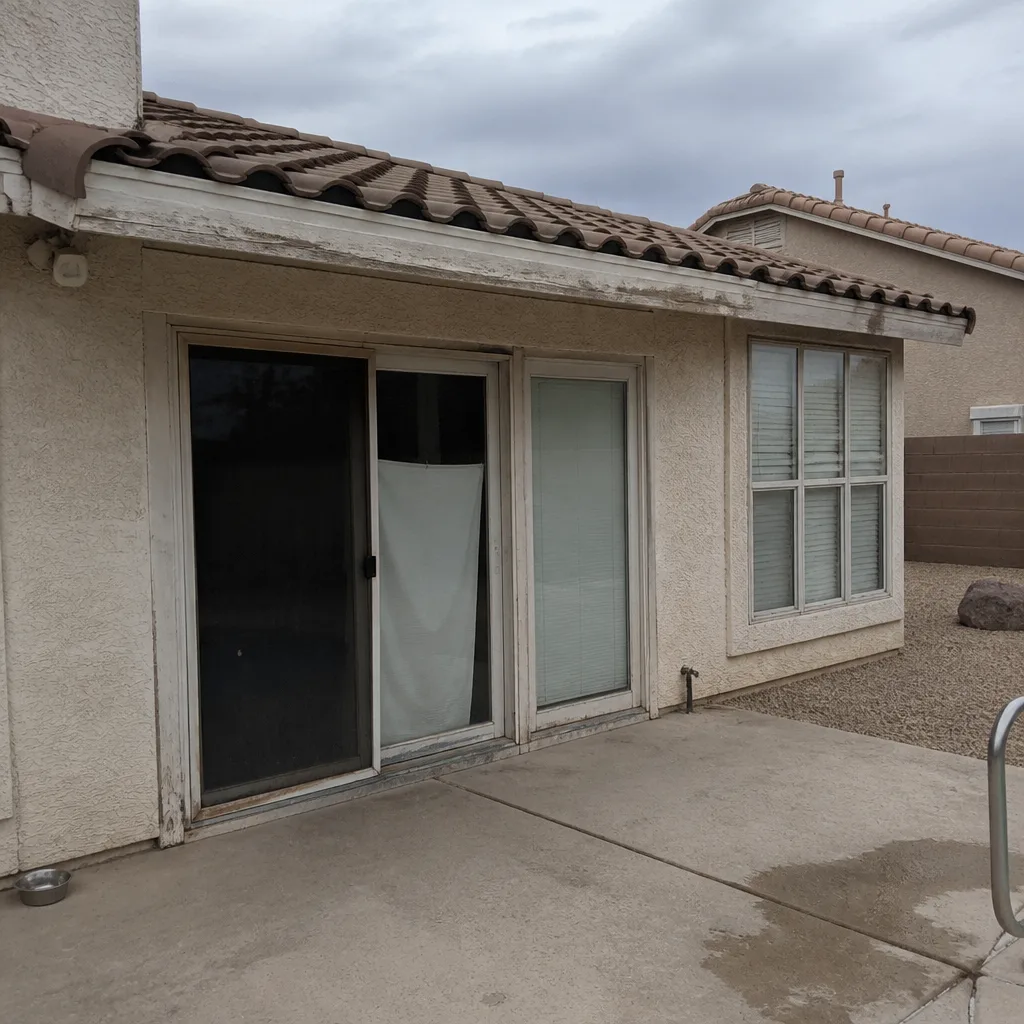 Before
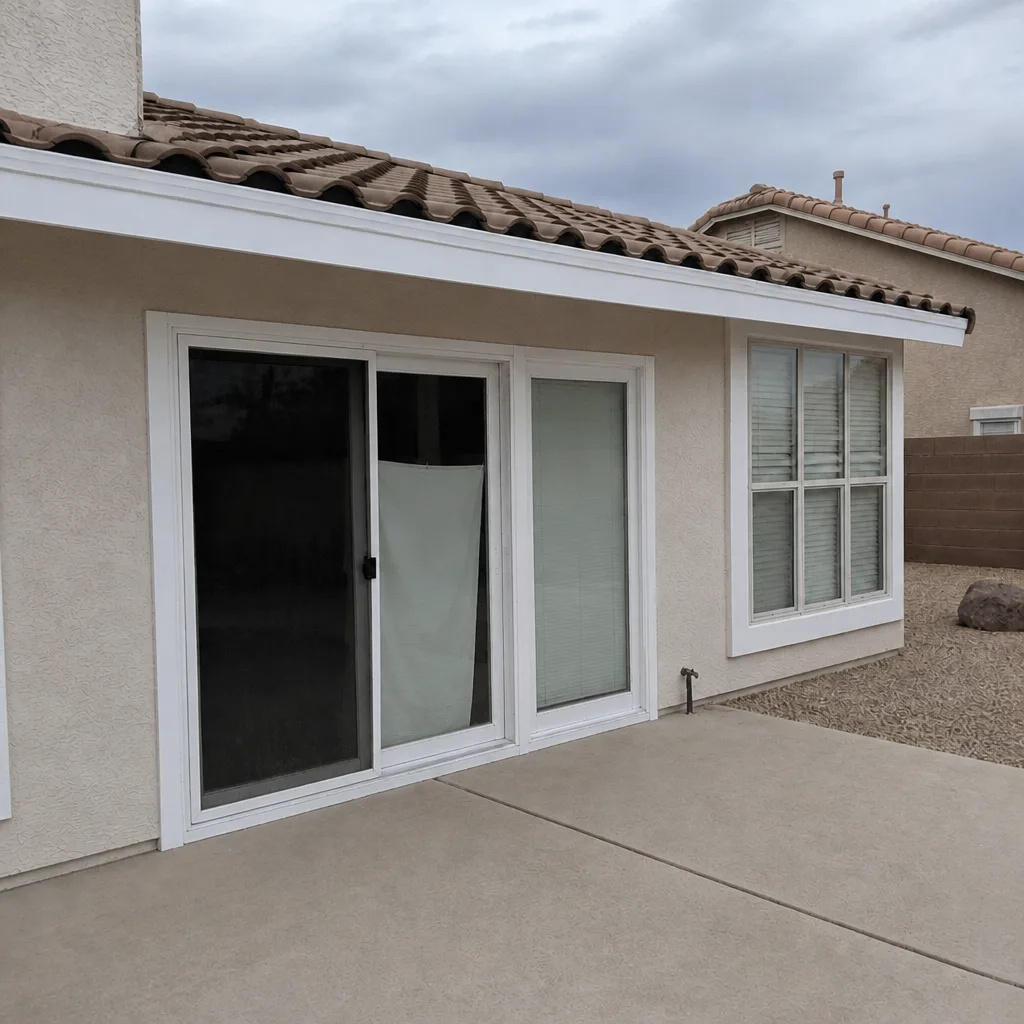 After