Last updated November 16, 2026
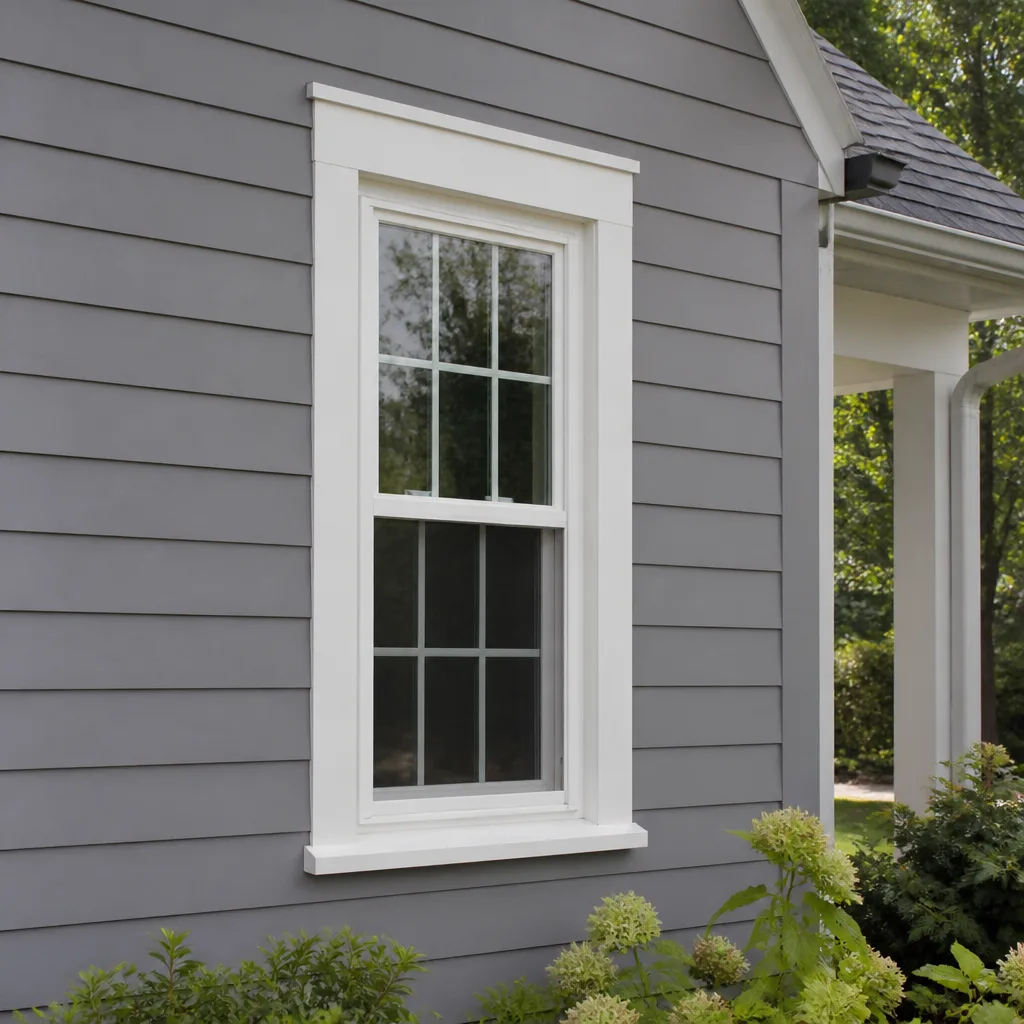 Single hung
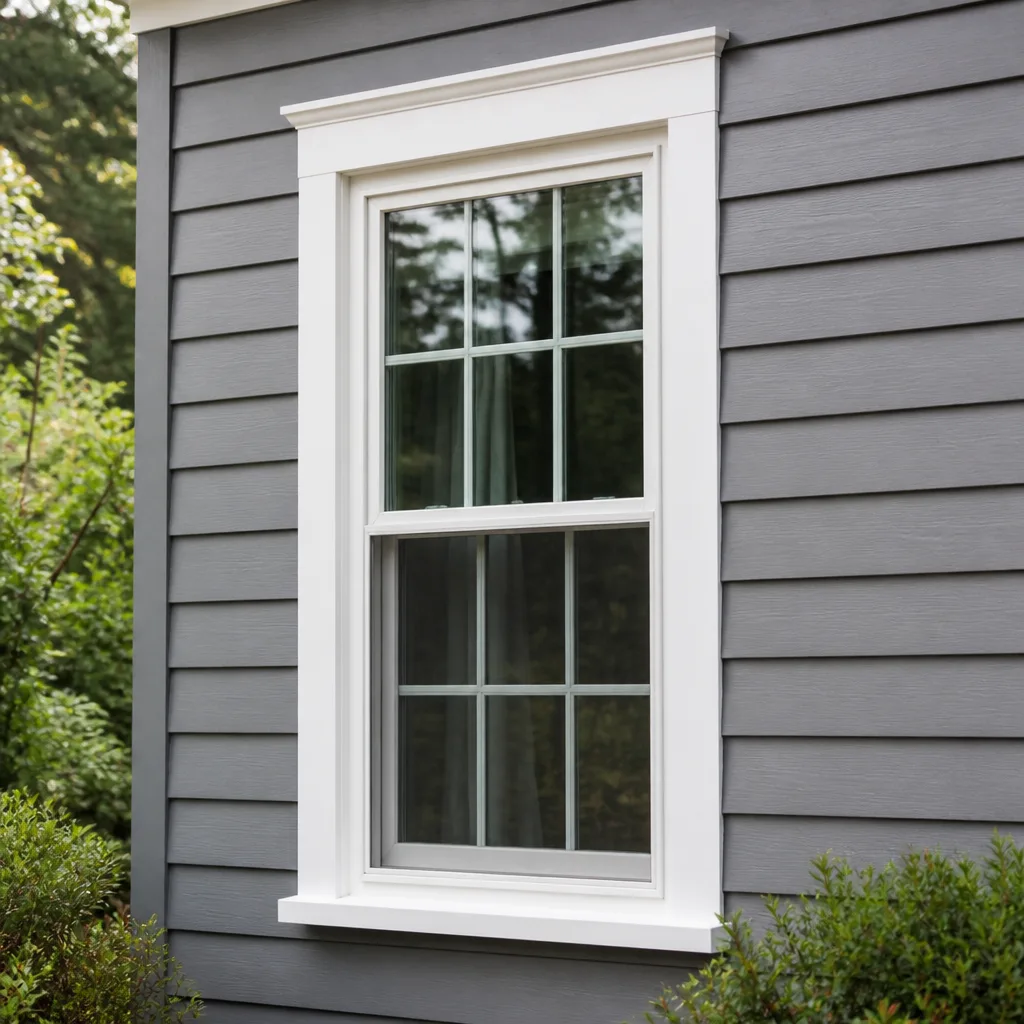 Double hung
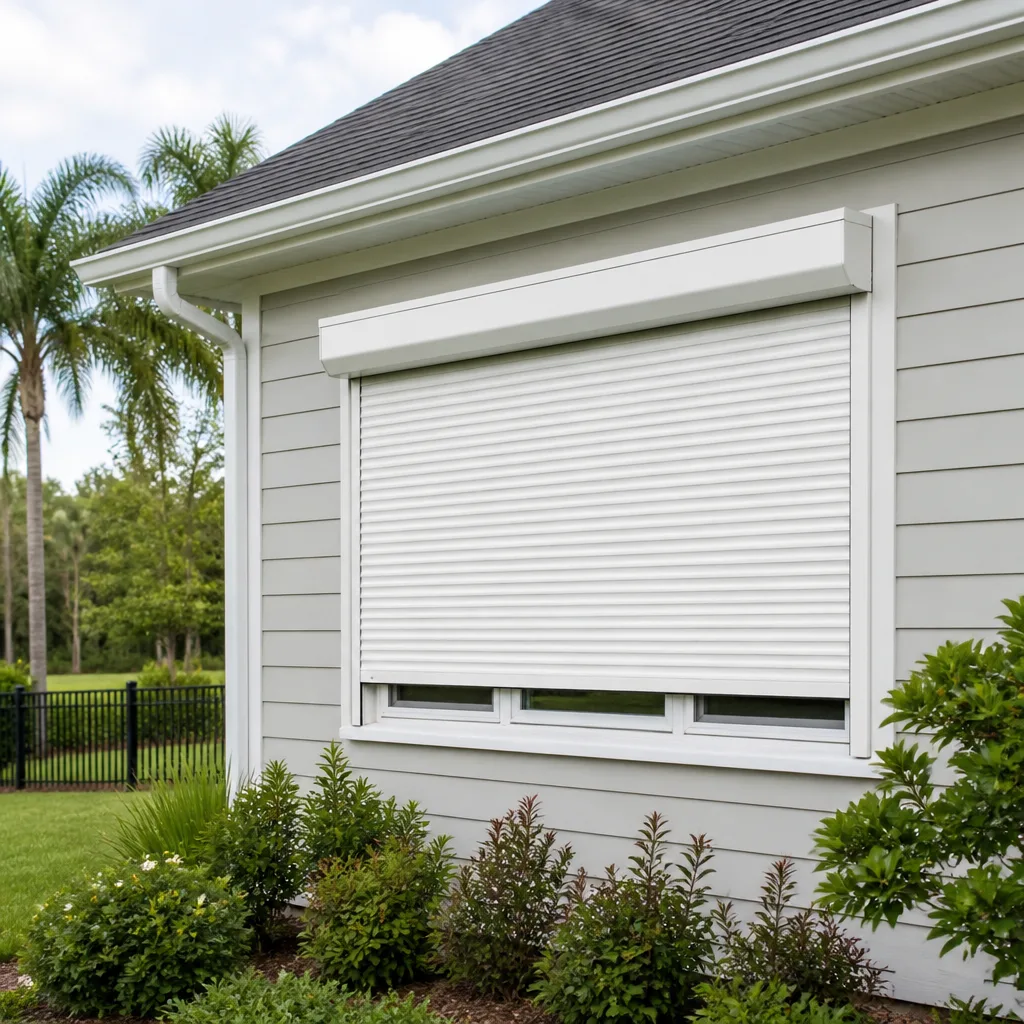 Horizontal roller
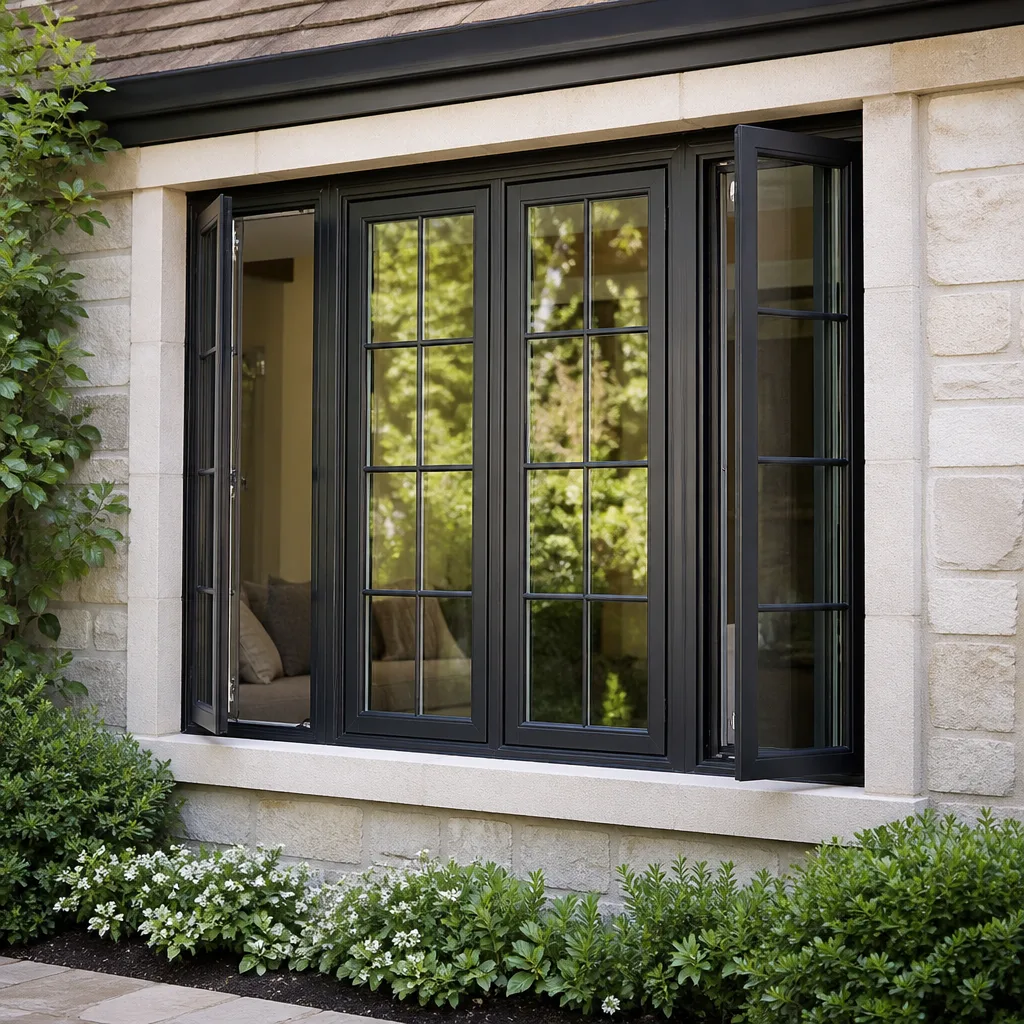 Casement
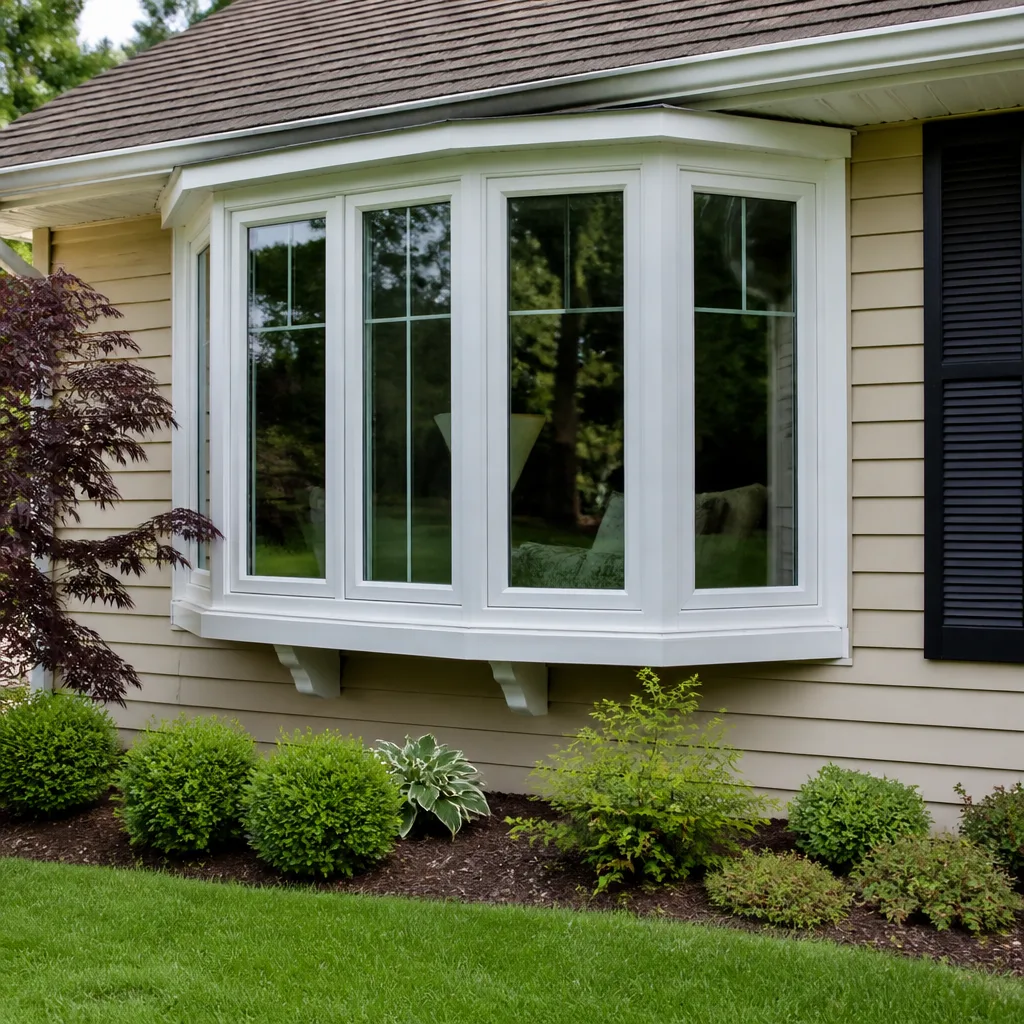 Bay & bow
 Sliding glass doors
 Entry doors
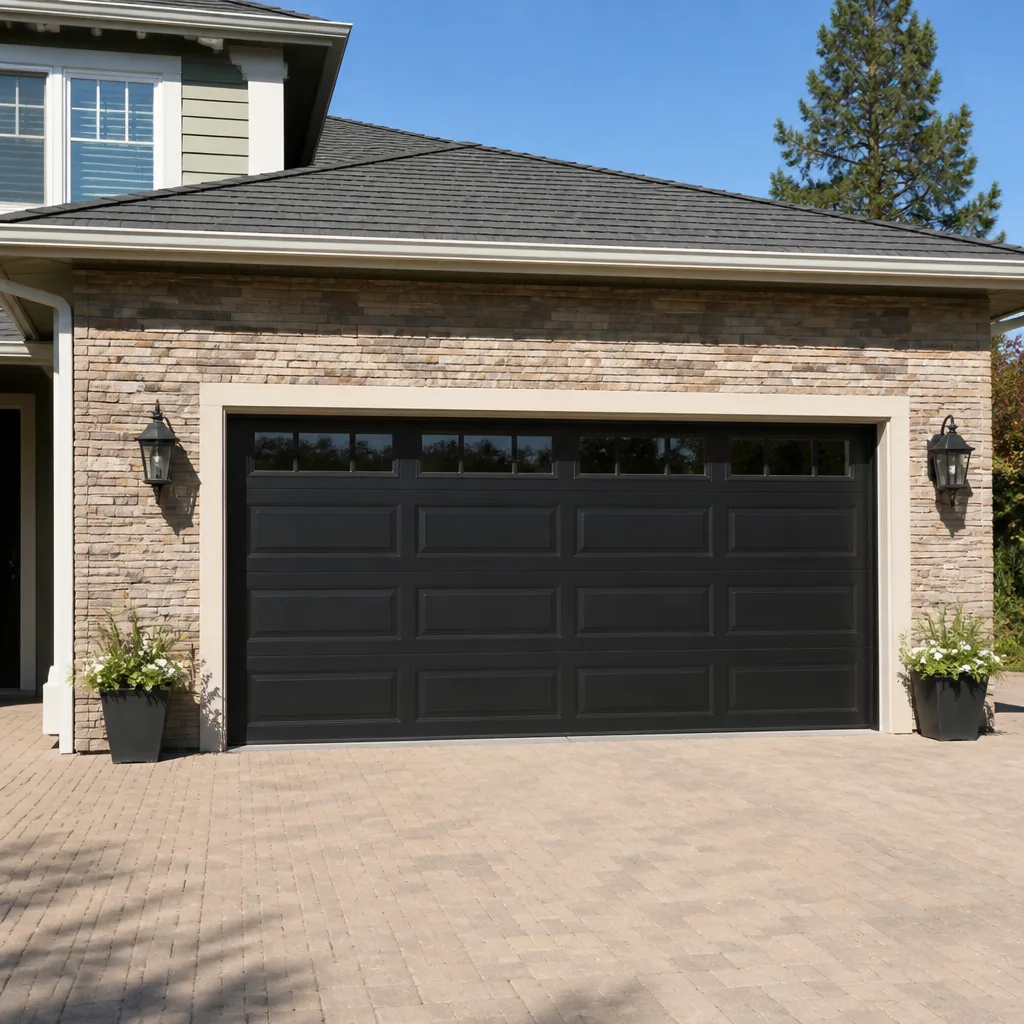 Impact garage doors
 PGT
 CGI
Free in-home measure and quote - PGT, CGI and CWS impact lines compared on your actual openings, style by style
Get your free estimateWindow Replacement Troubleshooting in Las Vegas: Common Problems and How to Fix Them
If your new double-pane windows still feel hot to the touch on the interior in August, the glass probably isn’t the culprit, and replacing it again won’t fix it. In our experience across Las Vegas homes, most heat complaints and draft complaints that arrive after a window replacement trace back to the frame seal, the flashing, or the installation itself, not the insulated glass unit. This guide walks you through how to diagnose what’s actually failing, how to tell a repair from a replacement, and what to check in the first 30 days after new windows go in. You’ll learn to identify the real source before you spend money on anything.
Quick Answer
Most window performance problems in Las Vegas come from failed seals, degraded caulk and weatherstripping, or installation defects at the frame and flashing, not from the glass itself. A fogged or cloudy pane means the insulated glass unit has failed and needs replacement, while a window that’s hot to the touch or leaking air usually has a frame or installation problem that re-sealing can often correct. Diagnose the source before you buy new windows.
Styles & brands we work with
- Single hung
- Double hung
- Horizontal roller
- Casement
- Bay & bow
- Sliding glass doors
- Entry doors
- Impact garage doors
- PGT
- CGI
Table of Contents
- How Do You Tell a Failed Glass Unit From a Frame Air Leak?
- Why Las Vegas UV Exposure Destroys Caulk and Weatherstripping Faster
- Installation Defects in Stucco-Clad Las Vegas Homes
- Monsoon Season and Water Intrusion: What to Check
- Repair or Replace? When Sealing Is the Right Call
- Your 30-Day Post-Installation Checklist
- Why Product Fit Matters More Than Brand Name
How Do You Tell a Failed Glass Unit From a Frame Air Leak?
A failed insulated glass unit shows condensation or fogging between the panes, not on the room-side surface. A frame air leak shows up as a draft, a hot interior surface, or a whistling sound at the edges. They’re different problems with different fixes, and mixing them up is the most expensive mistake homeowners make.
An insulated glass unit, or IGU, is two or more panes sealed around a spacer with dry air or gas between them. When that perimeter seal fails, moisture gets in and the unit fogs from the inside. You can’t wipe it away, and the only fix is a new glass unit.
An air leak at the frame is a different animal. The glass is fine; the seal between the window sash and the frame, or between the frame and the rough opening, has opened up. Here’s how to tell them apart:
- Look for interior fogging. If the haze is trapped between the panes, the IGU has failed. If it clears when you wipe the inside surface, it’s condensation on the glass, which points to humidity and a possible frame or weatherstrip leak.
- Run the incense test. On a breezy or hot day, light an incense stick and slowly pass it around the edges of the closed window, inside the house. If the smoke wavers or gets pulled toward a seam, you’ve found an air leak.
- Feel the frame, not just the glass. Run your hand along the interior frame and sash edges. A hot or cold band along the frame points to a seal problem, not a glass problem.
- Check for visible gaps. Look at the caulk line where the frame meets the wall and at the weatherstripping between sash and frame. Cracks, shrinkage, or gaps are leaks.
In our experience, homeowners in Las Vegas call us convinced their glass is bad when the actual issue is a failed perimeter seal at the frame. That’s a repair, not a full replacement, and diagnosing it correctly saves you the cost of a whole window. If you’ve confirmed the glass itself has failed, that’s when it’s time to look at full window replacement.
Why Las Vegas UV Exposure Destroys Caulk and Weatherstripping Faster
Las Vegas gets intense, year-round sun, and that UV load breaks down exterior caulk and weatherstripping far faster than in milder climates. The sealant that looked fine at installation can shrink, crack, and pull away from the frame in a fraction of the time most homeowners expect. When that happens, air and water get in, and the window starts underperforming even though the glass is still good.
This is why we tell Las Vegas homeowners that window maintenance is a genuine annual task here, not something you do once and forget. The sun is relentless, and the materials that seal your windows take the hit.
Here’s the inspection checklist we recommend running once a year, ideally in spring before the heat peaks:
- Run a fingernail along the caulk line at the exterior frame-to-wall joint. If it’s hard, brittle, cracked, or pulling away, it needs replacing.
- Press the weatherstripping at the sash edges. It should feel springy and sit tight. If it’s flattened, torn, or crumbly, replace it.
- Look for water staining on the interior drywall around the window. Staining under the sill or at the corners means water is getting past the exterior seal.
- Check the weep holes at the bottom of the exterior frame. They should be clear and draining. Debris blocks them, and blocked weep holes trap water.
- Test the operation of each window. A sash that’s suddenly hard to open or close can mean the frame has shifted or the weatherstripping has swelled.
When you catch degraded caulk and weatherstripping early, re-sealing is a modest repair. When you don’t, water gets behind the frame and the damage grows. We carry lines like CWS and CGI because the frame and seal quality on those products holds up under this kind of sun, but no product is maintenance-free in Las Vegas.
Installation Defects in Stucco-Clad Las Vegas Homes
Most Las Vegas homes have stucco exteriors, and stucco is where window installation defects hide. A window installed into a stucco wall has to be flashed correctly at the rough opening so water sheds away from the frame, not into the wall cavity. When the flashing is missing, reversed, or poorly integrated, the window looks fine until the first real rain, and then water gets in.
Stucco itself complicates the job. It’s rigid, it cracks, and it has to be cut back and patched cleanly around the new window. The integration between the window flange, the weather-resistive barrier behind the stucco, and the stucco itself is what keeps water out. Get that wrong and you’re looking at intrusion into the wall, not just a wet window.
The installation defects we see most often on stucco homes in Las Vegas:
- Flashing installed flat or reversed. Flashing has to lap shingle-style, with the upper layer over the lower, so water runs off. Flat or backwards flashing channels water into the wall.
- No back-dam or sill pan. The sill needs a pan or back-dam so water that gets behind the window drains out instead of pooling against the framing.
- Stucco patched tight against the frame with no gap or sealant joint. Stucco moves and cracks; a rigid butt joint against the window opens up and lets water in.
- Fasteners driven through the flange in the wrong spots. Over-driven or misplaced fasteners tear the flange and break the seal.
These defects are the reason we treat flashing as the heart of an installation, not an afterthought. Proper window installation in a stucco home means the water management is right before the window ever goes in.
Monsoon Season and Water Intrusion: What to Check
Monsoon season is when installation defects show themselves. Las Vegas gets intense summer storms, and a window that’s been quietly leaking past its flashing all year will suddenly show water inside. The storm didn’t cause the problem; it revealed it.
After a heavy rain, here’s what to check:
- Inspect interior drywall at the window corners and under the sill for staining, bubbling paint, or soft spots.
- Look at the exterior caulk line for gaps where water could get behind the frame.
- Check the weep holes for debris and confirm water is draining out, not backing up.
- Feel for dampness along the interior frame and sill. A damp frame after a storm is a flashing or seal problem.
- Look for water tracking on the stucco below the window, which can mean water is escaping from behind the frame rather than draining correctly.
If you find water intrusion after a monsoon, don’t wait. Water behind a window frame damages framing and drywall, and the repair grows the longer it sits. A trained professional should trace the source, because the leak is usually at the flashing, not the glass, and re-glazing won’t fix it.
Repair or Replace? When Sealing Is the Right Call
The right call depends on what’s actually failing. A window with sound glass and a degraded seal is a repair candidate. A window with a failed glass unit, a warped frame, or repeated water intrusion may be a replacement candidate. Spending money re-sealing a window that should be replaced is throwing good money after bad, and replacing a window that only needed a new seal is just overspending.
Use this decision guide:
- Repair when the glass is clear (no fogging between panes), the frame is square and solid, and the problem is caulk, weatherstripping, a sash that needs adjusting, or hardware.
- Repair when a single seal has failed and the rest of the window is performing. Re-glazing or re-sealing one window is far cheaper than replacing it.
- Replace when the IGU has failed and fogged. You can sometimes replace just the glass unit, but on older windows the frame and seals are usually near the end too.
- Replace when the frame is warped, rotten, or has shifted, because a new seal won’t hold on a compromised frame.
- Replace when you have repeated water intrusion despite re-sealing. That points to a deeper installation or flashing problem that only a proper reinstall corrects.
Here’s the honest version: in a hot, high-UV climate like Las Vegas, a window that’s already failing on multiple fronts is usually better replaced than patched. But if you’re only dealing with a worn seal, repair it and put the savings toward the windows that actually need replacement.
Your 30-Day Post-Installation Checklist
New windows need a checkup in their first 30 days, while any issue is still the installer’s responsibility. Run this checklist and document what you find. If something’s off, report it promptly.
- Operate every window. Open and close each one several times. They should move smoothly, latch cleanly, and sit flush when closed.
- Check the locks and hardware. Every lock should engage without force and hold the sash tight against the frame.
- Look at the caulk and sealant lines inside and out. They should be continuous and clean, with no gaps.
- Do a thermal check on a hot day. Feel the frame edges and the glass interior. A hot band along the frame suggests a seal issue; a uniformly warm pane on a sunny window is normal solar gain. Timing matters: check in the afternoon when the sun load is highest.
- Run the incense test on each window to confirm no air leaks at the frame.
- Inspect the exterior flashing and stucco patch for clean integration and proper drainage.
- Request your warranty documentation. Ask for the manufacturer warranty on the glass and frame and the installation workmanship warranty in writing, and keep them together.
- Note any fogging between panes. A brand-new unit shouldn’t fog, and if it does, it’s a warranty matter.
Documenting these checks in the first 30 days protects you. If you spot an issue after that window closes, it gets harder to establish that the problem came from the installation.
Why Product Fit Matters More Than Brand Name
The best window for your Las Vegas home is the one that fits its actual conditions, not the one a dealer happens to stock. Wind load, sun exposure, stucco integration, and your energy goals all shape which product performs. A brand-agnostic recommendation is the only honest one.
That’s why we carry eight manufacturer lines, including impact-rated and energy-efficient options from PGT, CGI, and ECO Window Systems, alongside ES Windows and others. With multiple competing lines available, we can compare specifications side by side and recommend based on your home rather than a distributor incentive. The right window for your home is the one built for it, not the one we happen to have in stock.
Before you commit to a product, ask these questions:
- Does this window meet the wind-load and impact requirements for my home?
- How does the frame and flashing design integrate with stucco?
- What glass package performs best for sun exposure and heat gain here?
- What’s the manufacturer warranty on the glass, frame, and hardware?
If a contractor can only answer those questions for one brand, you’re getting a sales pitch, not a recommendation. Ask us to compare. We carry enough lines to give you an honest answer.
Common Mistakes to Avoid
- Replacing glass when the frame is leaking. If the fogging is between the panes you have a glass problem, but if the draft is at the frame, new glass won’t fix it. Diagnose first, then buy.
- Skipping the flashing inspection on a stucco home. Stucco hides flashing defects until the first monsoon. Have the water management checked, not just the window.
- Ignoring degraded caulk because it “looks fine.” Las Vegas UV breaks down caulk faster than most climates. Run the fingernail test every year.
- Buying on brand name alone. A premium brand installed with bad flashing still leaks. Product fit and installation quality matter as much as the label.
- Not requesting warranty documentation in writing. Verbal promises don’t help when a glass unit fogs two years in. Get the manufacturer and workmanship warranties on paper.
- Waiting on water intrusion. Water behind a frame damages the wall, and the repair grows. Trace the source promptly.
- Assuming a hot interior pane always means bad windows. It can mean a failed seal, but it can also mean solar gain or a frame leak. Test before you replace.
See the difference
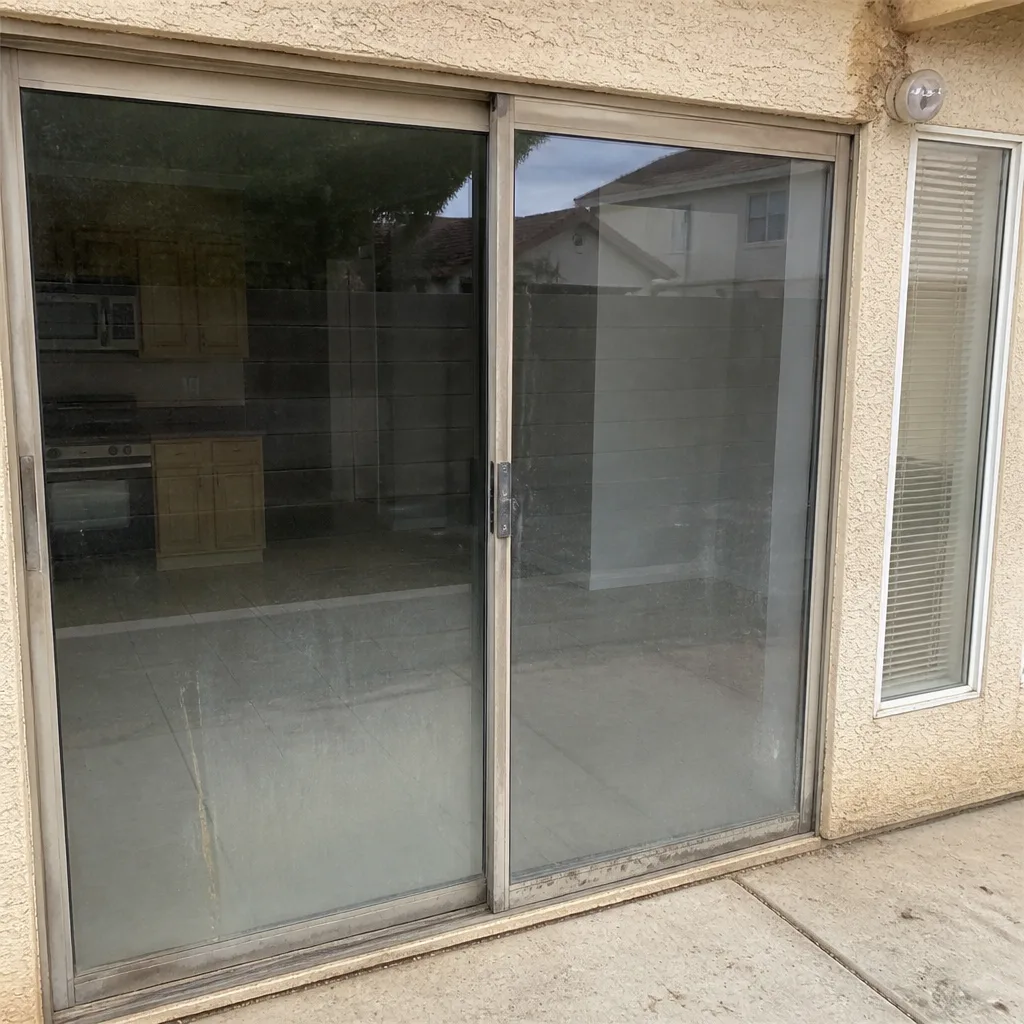 Before
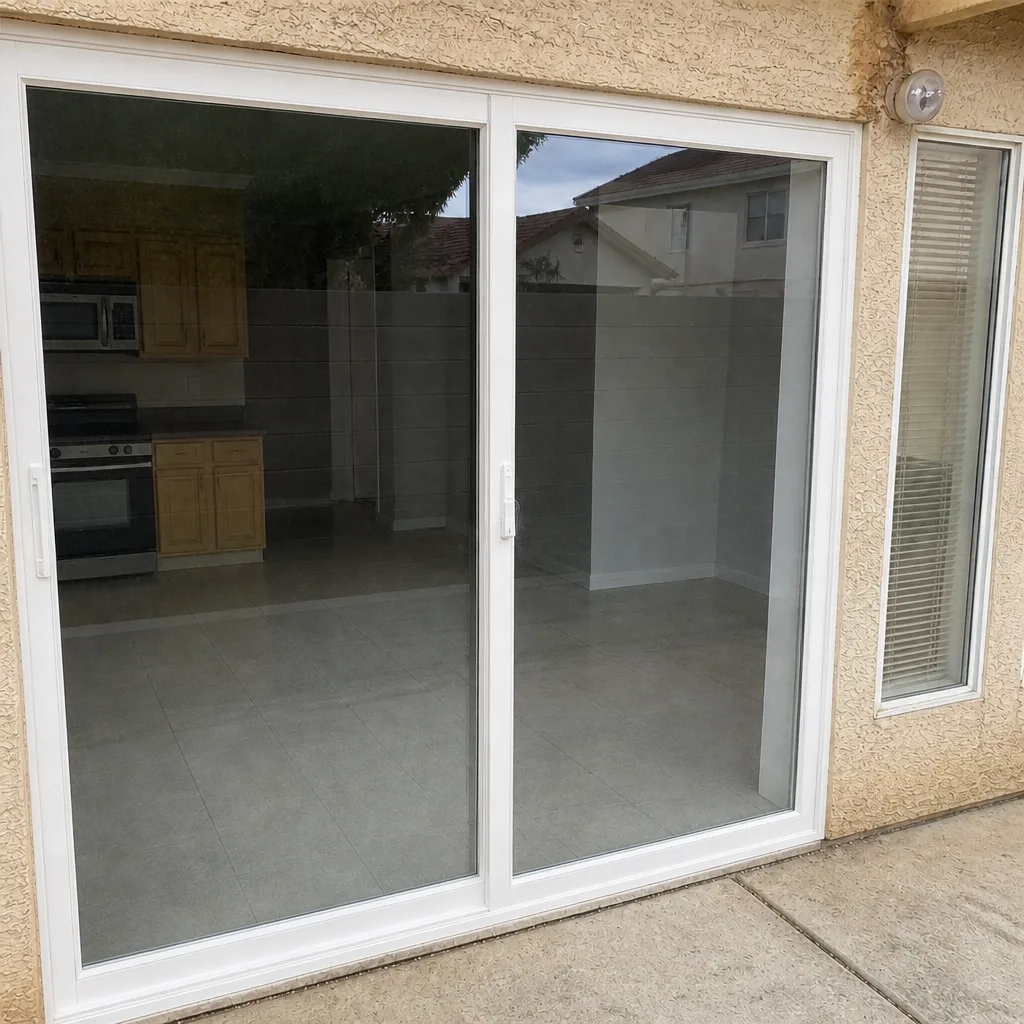 After
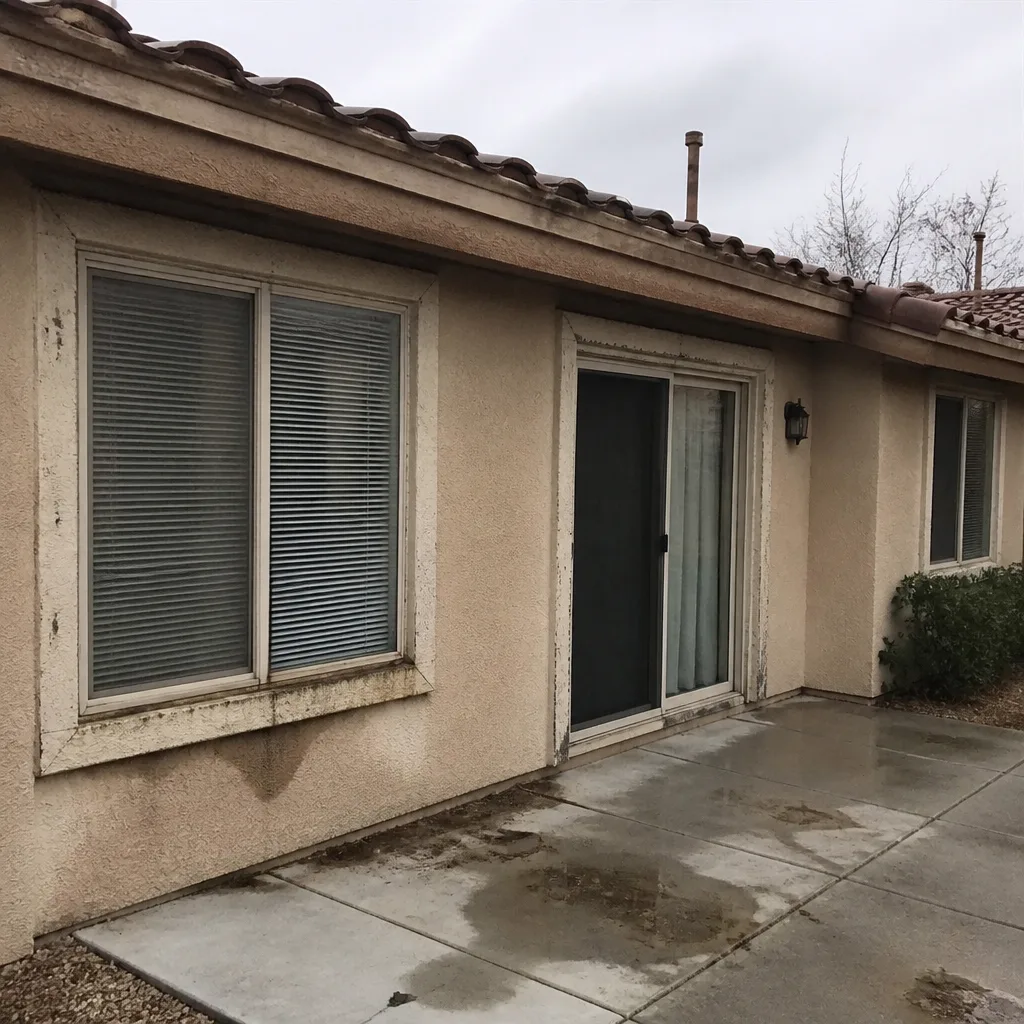 Before
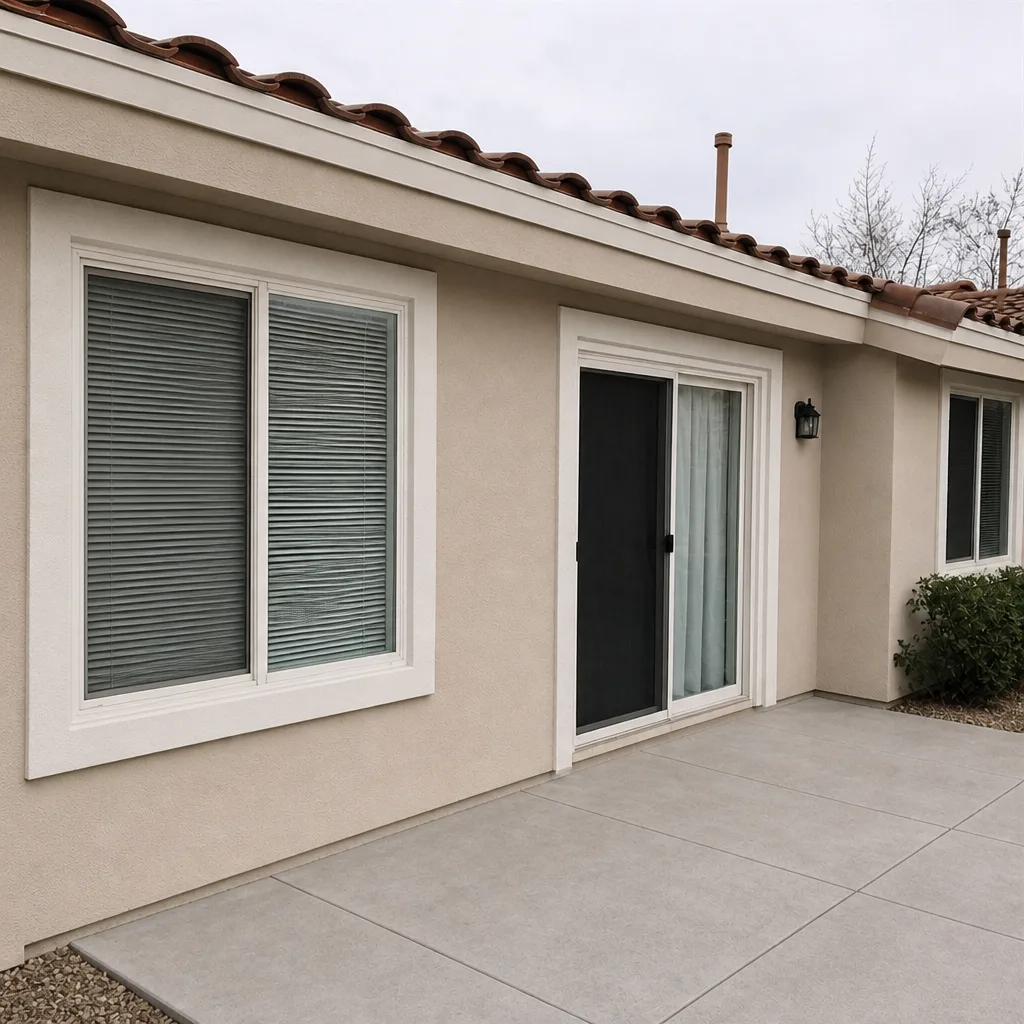 After
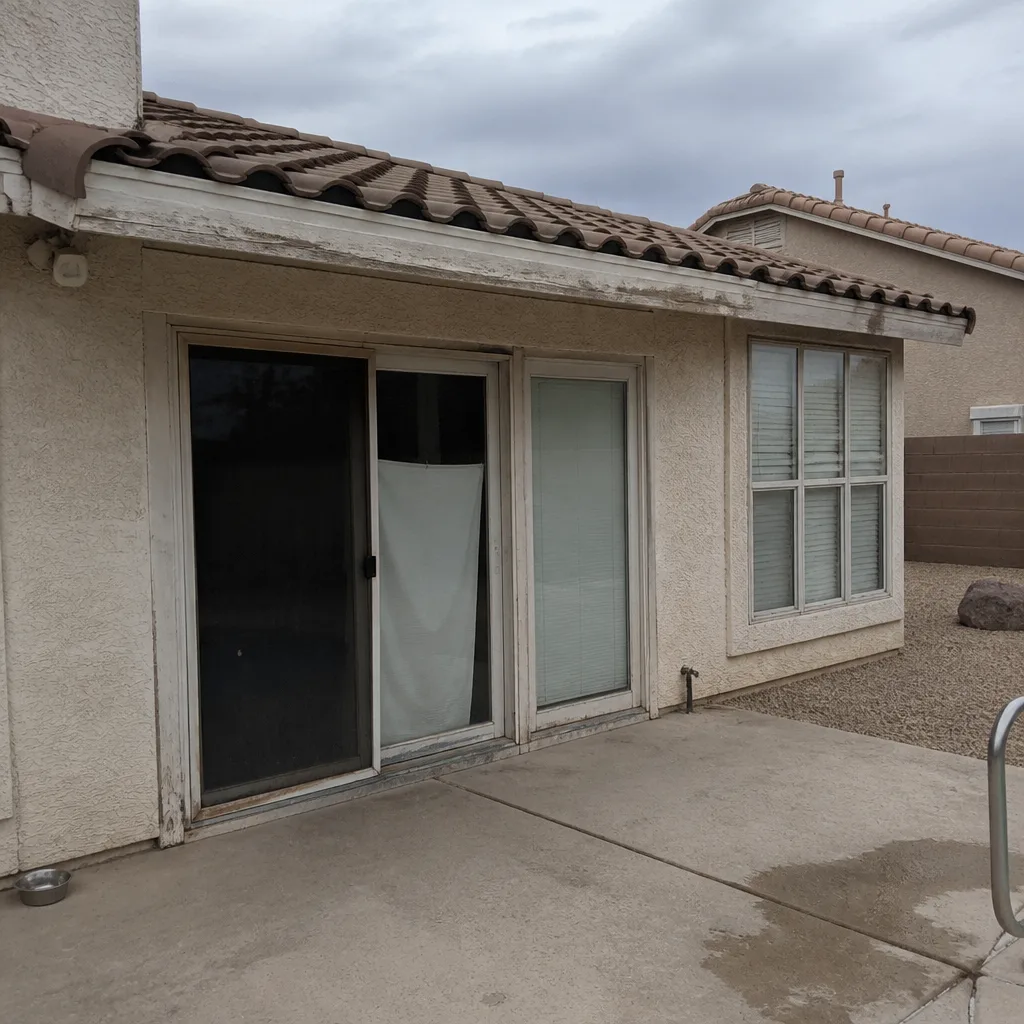 Before
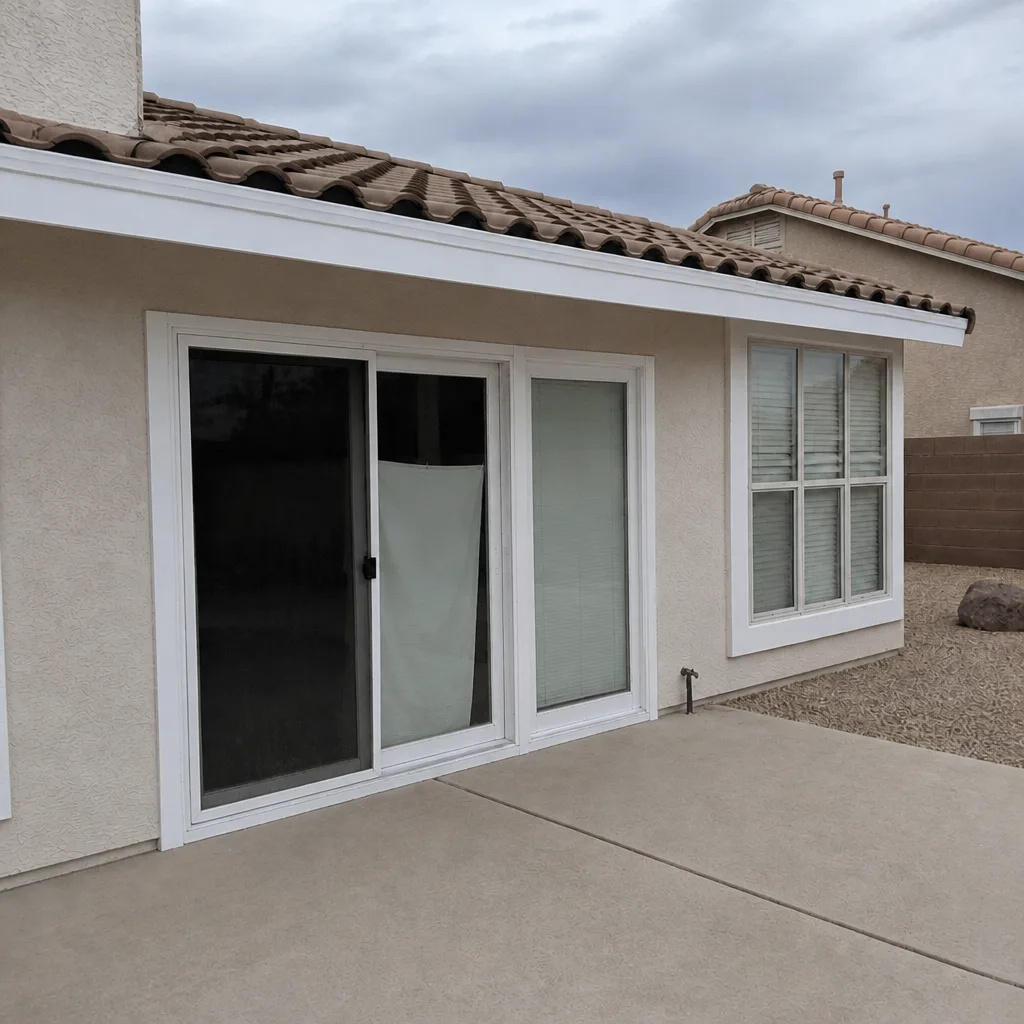 After
When to Call a Professional
Call a professional when you’ve found fogging between panes, water intrusion after rain, a frame that’s warped or shifted, or a leak you can’t trace with the incense test. High-tension window hardware, structural fastening, and flashing behind stucco are not DIY territory. Water intrusion especially needs a trained eye, because the cause is often a layer behind the window that you can’t see from inside. Our technicians have up to 10 years of experience diagnosing exactly these problems in Las Vegas homes. Jasper Windows & Doors offers free estimates in Las Vegas, call (844) 761-6772.
Frequently Asked Questions
Fixing a fogged window depends on whether the glass unit has failed or the frame seal has, so the price is set per job by a written estimate. A failed insulated glass unit needs replacement, while a frame leak can often be re-sealed at lower cost. Call (844) 761-6772 for a free estimate, and we’ll tell you which problem you actually have.
Sometimes, yes. If the frame is sound and only the insulated glass unit has failed, replacing the glass can be the right call. If the frame is warped, leaking, or near the end of its life, replacing the whole window is the better investment. The written estimate sets the final price, and we’ll compare both options for you.
Monsoon leaks are almost always a flashing or seal problem, not a glass problem. Water gets behind the window frame where the flashing was installed incorrectly or the caulk has failed, and the storm reveals it. Have a professional trace the source, because re-sealing the glass won’t stop a flashing leak.
Check them every year and plan to replace degraded caulk and weatherstripping more often here than in milder climates, because intense UV breaks them down faster. Run the fingernail test on the caulk and press the weatherstripping to check its spring. Catching it early keeps a small repair from becoming a water-damage job.
In the first 30 days, operate every window, check the locks and hardware, inspect the caulk and flashing, run the incense test for air leaks, and request the manufacturer and workmanship warranties in writing. Report anything that fails promptly while it’s still the installer’s responsibility.
Permit requirements vary by jurisdiction and project type, so ask your local building department directly before work starts. For replacement in kind, many jurisdictions don’t require a permit, but new openings and structural changes usually do. Confirm before you buy, and ask your installer to pull the required permits and inspections.
The Bottom Line
Most window problems in Las Vegas aren’t glass problems. They’re seal, caulk, weatherstripping, or installation-flashing problems, and diagnosing the real source before you buy saves you from replacing windows that only needed a repair. Fogging between panes means a failed glass unit; a draft or hot frame means a seal or flashing issue. Run the incense test, check your caulk and weatherstripping annually, and audit flashing on stucco homes before monsoon season. When you do replace, choose the product that fits your home, and request warranty documentation in the first 30 days.
If you’re not sure what’s failing, start with a diagnosis rather than a purchase. Jasper Windows & Doors is a dedicated windows-and-doors specialist with eight manufacturer lines and free estimates in Las Vegas. Call (844) 761-6772. We answer 24/7. Fast dispatch from 7am to 7pm, Sunday through Friday. Learn more about Jasper Windows & Doors and how we help homeowners get the right window the first time.
Written by the team at Jasper Windows & Doors.