Last updated November 16, 2026
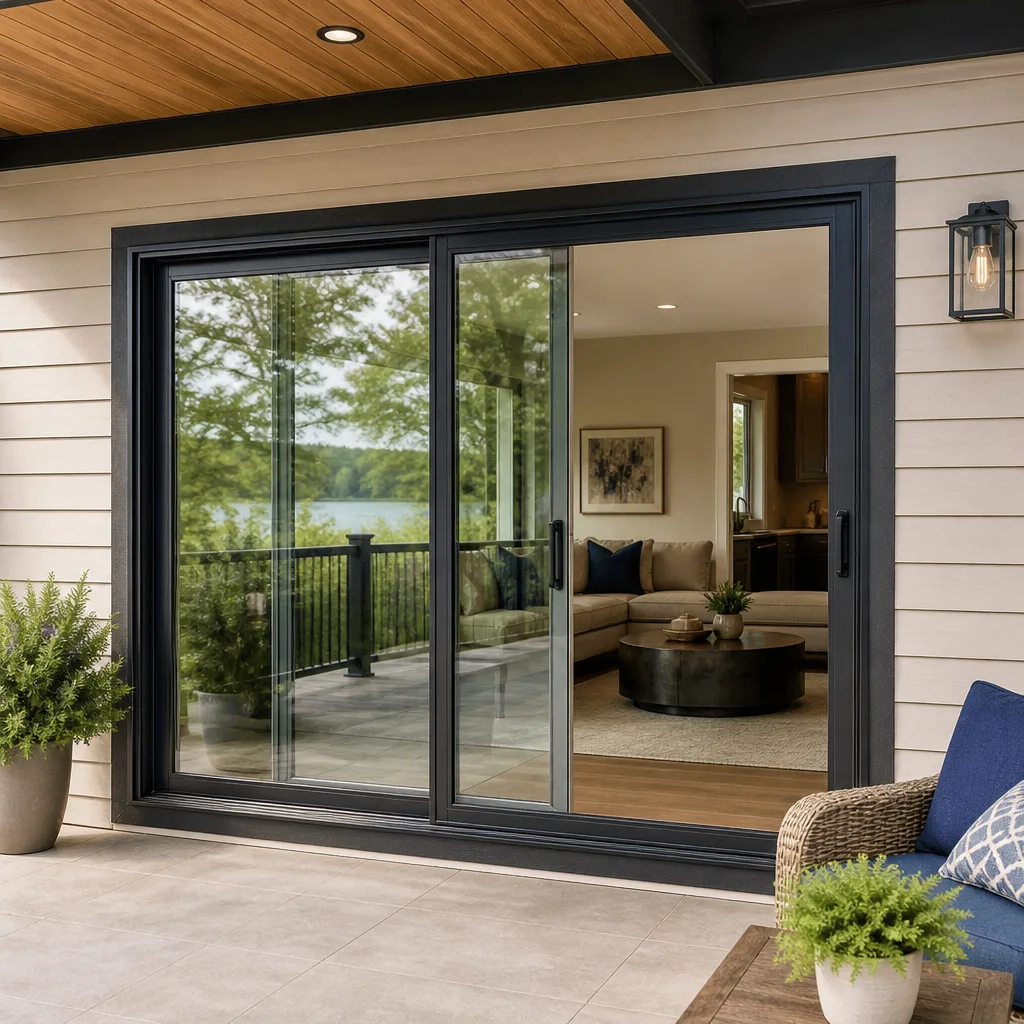 Sliding glass doors
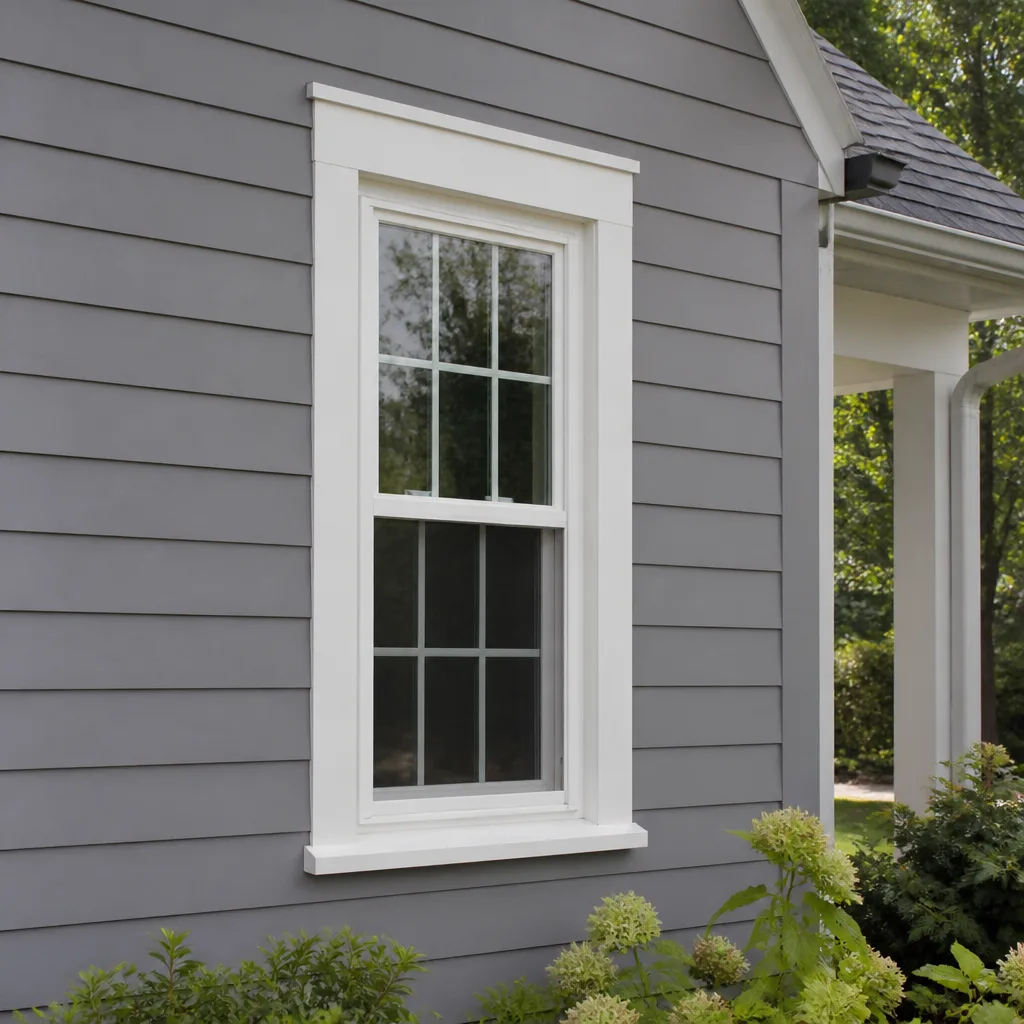 Single hung
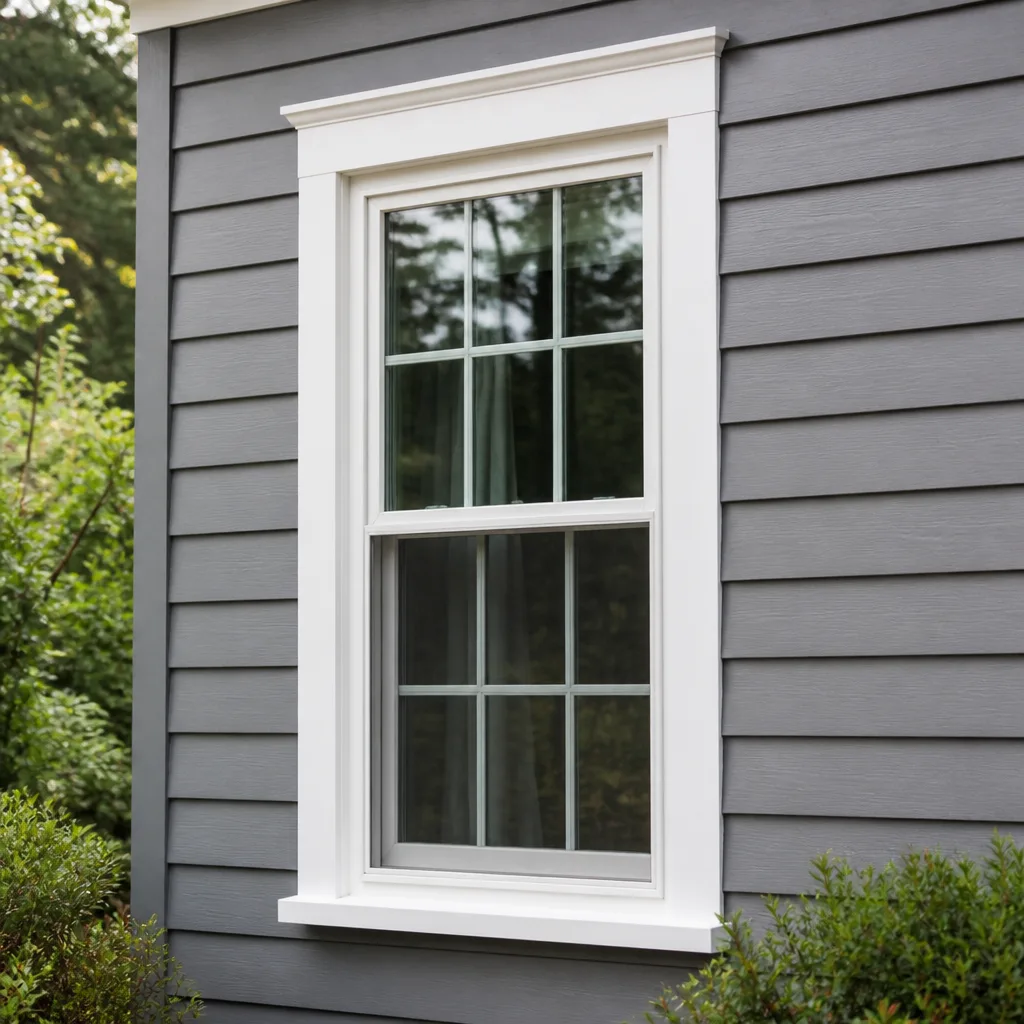 Double hung
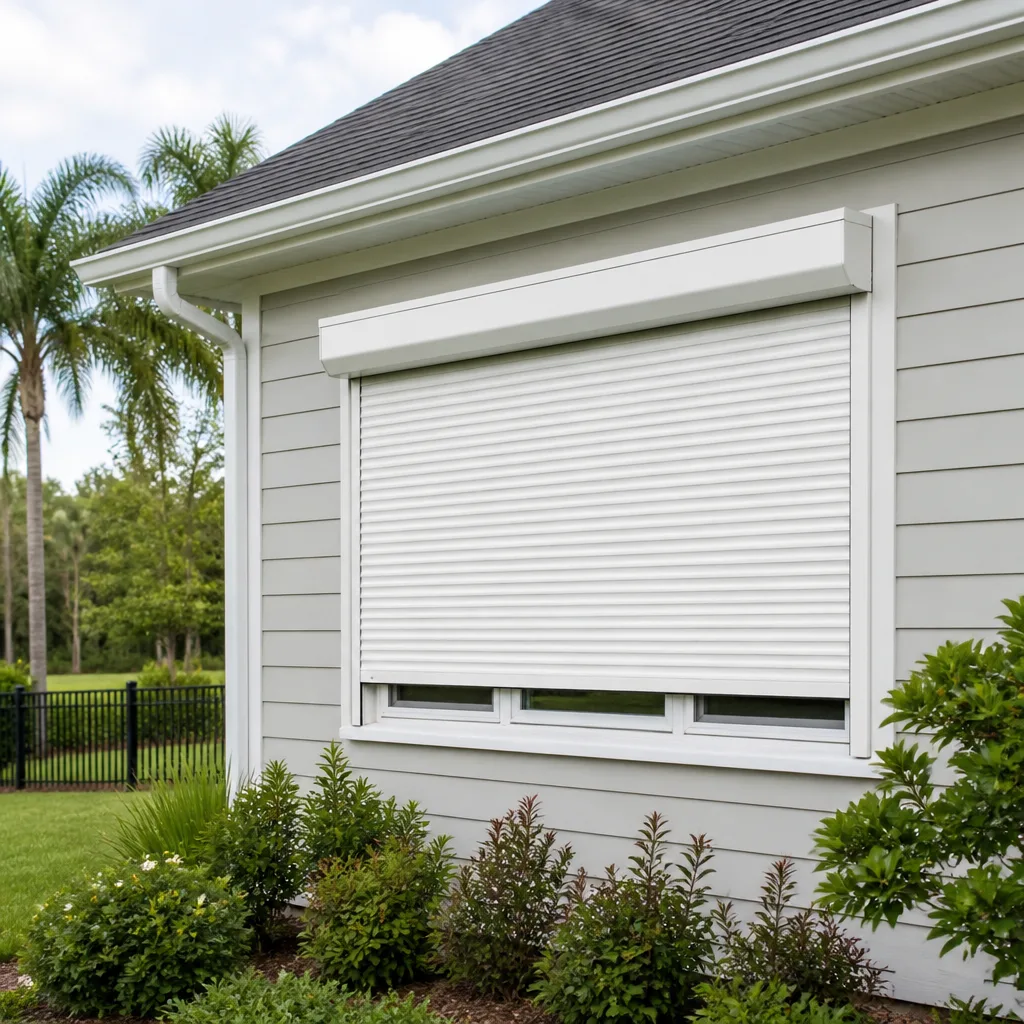 Horizontal roller
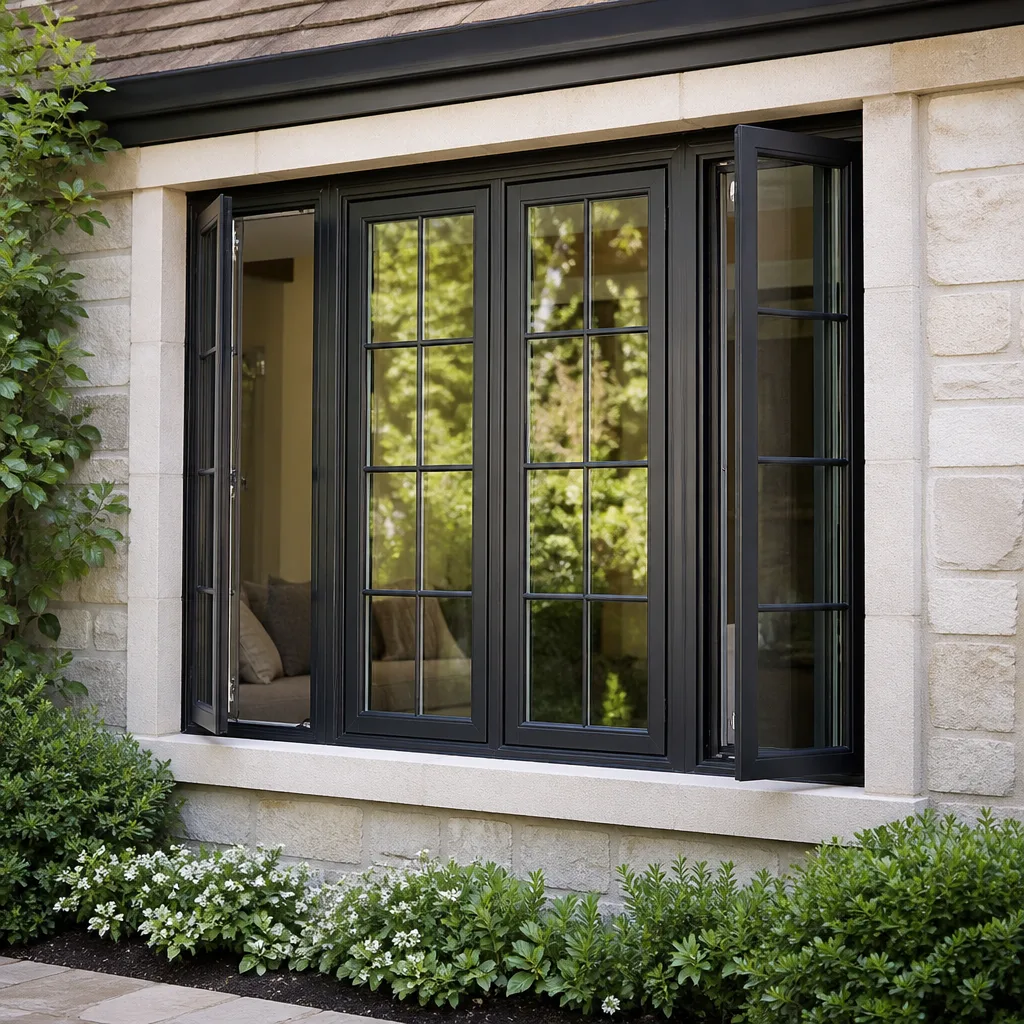 Casement
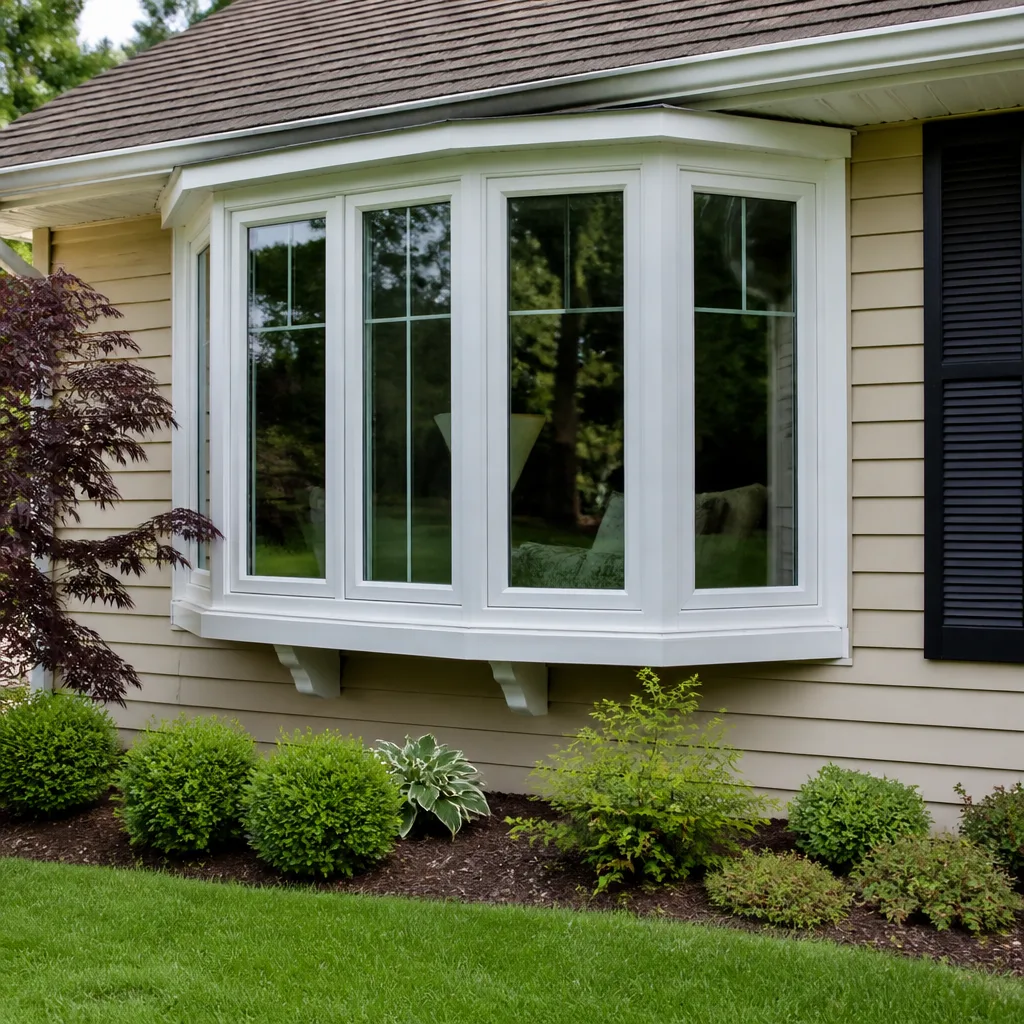 Bay & bow
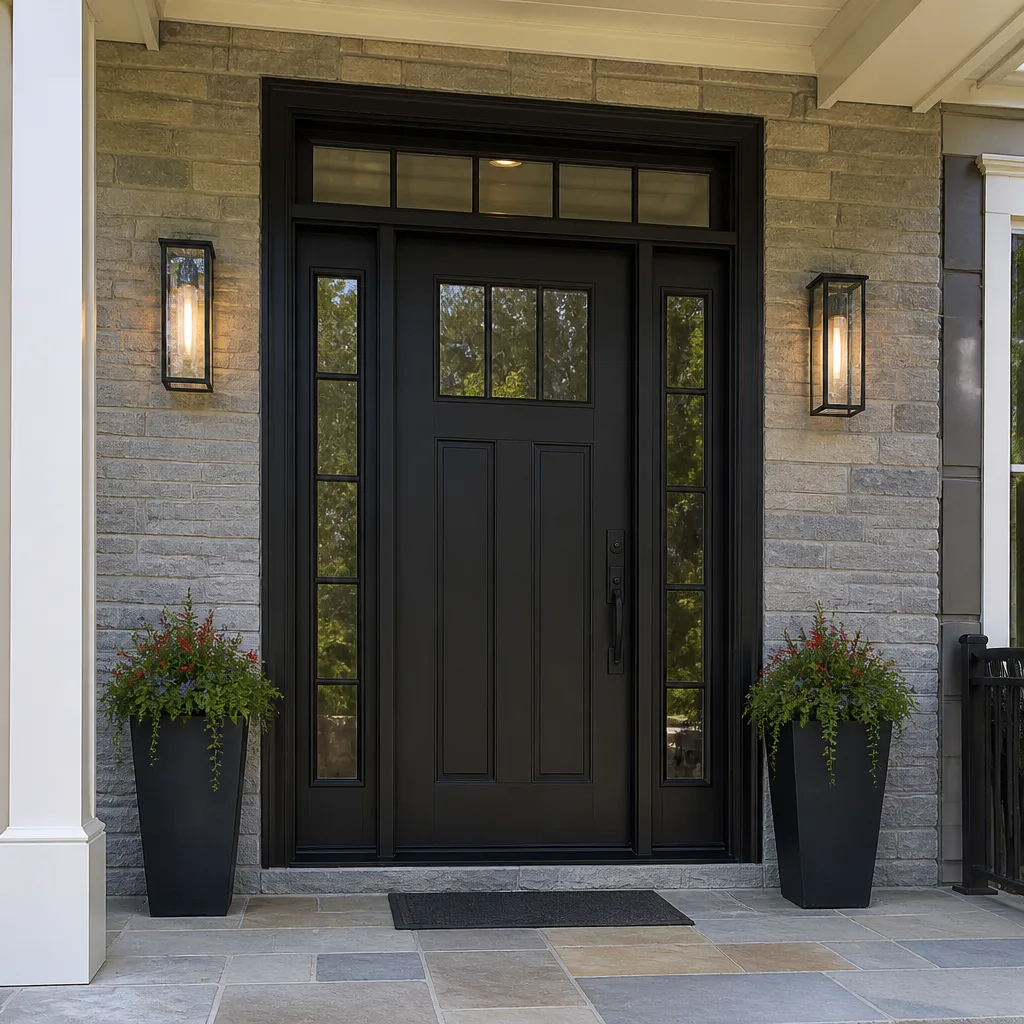 Entry doors
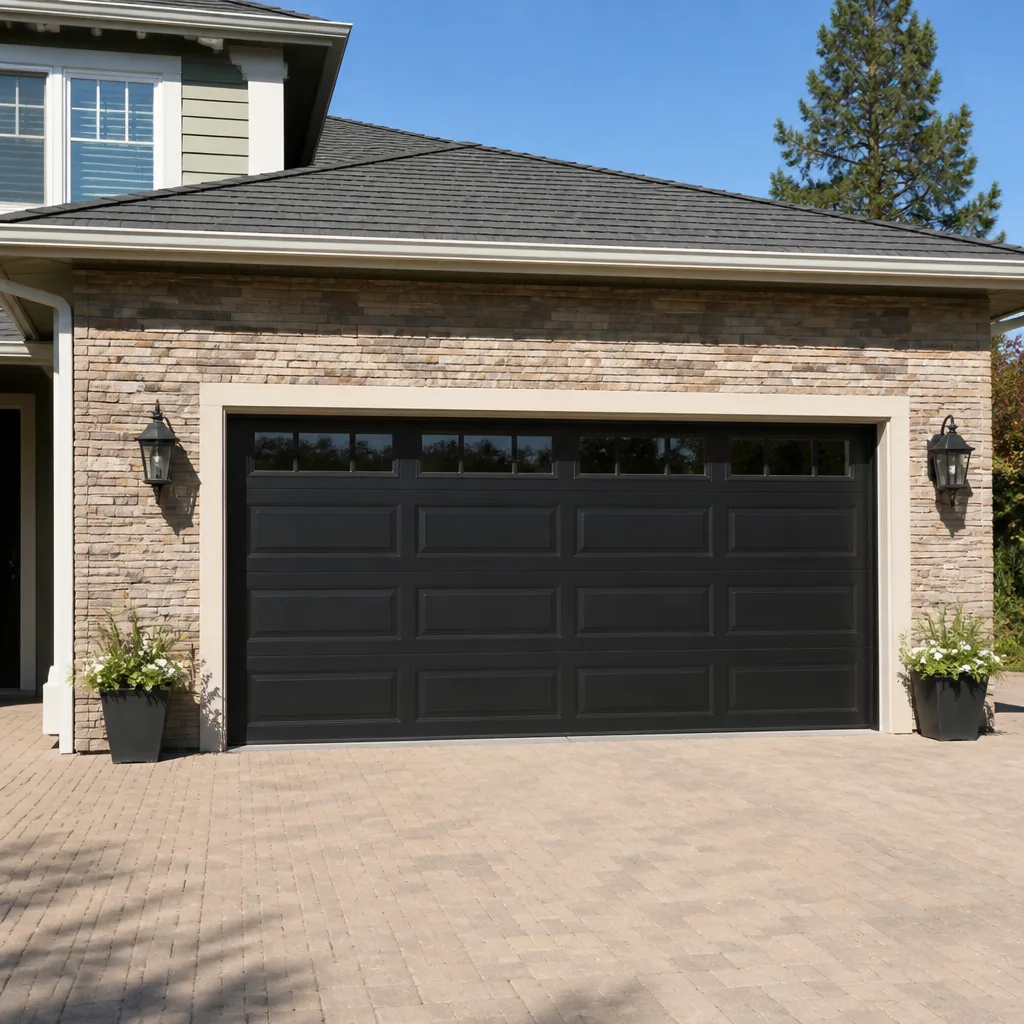 Impact garage doors
 PGT
 CGI
Free in-home measure and quote - PGT, CGI and CWS impact lines compared on your actual openings, style by style
Get your free estimateWindows & Doors Permits, Codes & Inspections in Las Vegas, NV: What You Need to Know
Most homeowners assume a window or door swap is a “like-for-like” project that never touches the permit desk. That assumption is where trouble starts in Las Vegas. A replacement that changes the opening size, the product’s wind rating, or the way a door swings can cross into work that the city wants to review and inspect before it’s signed off. This guide walks through how permitting, code, and inspection actually work for windows and doors in Las Vegas, what the valley’s wind and heat demand of the products, and how to keep a straightforward exterior upgrade from turning into a paperwork headache. By the end, you’ll know which projects need a permit, what inspectors look for, and how to plan the whole thing properly the first time.
Quick Answer
In Las Vegas, most window and door replacements require a permit when the project changes the size of an opening, adds or alters a door, or affects structural framing, egress, or wind-load performance. Like-for-like swaps that keep the same opening and meet the local wind and energy rules can sometimes proceed without one, but the only reliable answer comes from Clark County or City of Las Vegas building officials for your specific address. Always confirm before ordering product, because a permit issue discovered after the windows are manufactured is expensive to unwind.
Styles & brands we work with
- Single hung
- Double hung
- Horizontal roller
- Casement
- Bay & bow
- Sliding glass doors
- Entry doors
- Impact garage doors
- PGT
- CGI
Table of Contents
- Do You Need a Permit for Window and Door Replacement in Las Vegas?
- Why Wind Load and Impact Ratings Matter Here
- Energy Code and the Nevada Climate
- Egress Windows and Door Swing Codes
- What Happens at a Window and Door Inspection
- The Las Vegas Permit Process, Step by Step
- What Happens If You Skip the Permit
- How to Choose a Window and Door Specialist in Las Vegas
Do You Need a Permit for Window and Door Replacement in Las Vegas?
The short rule: if the opening stays the same size, the product meets the required ratings, and nothing structural moves, many replacements can be done as a straight swap. If anything about the opening, framing, egress, or product performance changes, plan on a permit. In Las Vegas, the answer often depends less on the glass itself and more on what the swap does to the wall.
Here’s how it usually breaks down in our experience:
- Like-for-like window replacement: Same rough opening, same number of panes, same operation. Often the simplest path, but still worth confirming with the governing building department.
- Resizing a window or door: Cutting the opening wider or taller, moving it, or adding a new one almost always requires a permit and possibly structural review.
- Adding a new door or window: New openings in an exterior wall require a permit and inspection, because the wall’s structural and weather-tight integrity is affected.
- Changing a window to a door (or the reverse): This is a substantial change to the opening and framing, and typically requires permits and inspection.
- Sliding door replacement: Often close to like-for-like, but the product’s wind and impact performance has to match what the code calls for.
The building department that governs your address matters. Properties inside Las Vegas city limits and those in unincorporated Clark County can fall under different review desks. Before ordering a single unit, confirm which jurisdiction handles your address and what that jurisdiction wants to see. That one phone call or website check saves weeks.
One more practical note specific to the Las Vegas market: many homes in older valley neighborhoods have been remodeled more than once, and openings don’t always match what the original plans show. If your home has an unpermitted addition or a window that was moved by a previous owner, that history can surface during a new permit. A specialist who works these projects routinely will know to flag it early.
Why Wind Load and Impact Ratings Matter Here
Las Vegas sits in a desert valley where wind events are a real design concern, and the local building code reflects that. Windows and doors are rated for the wind pressure they can withstand, and the required rating depends on the home’s location, exposure, and height. This is a technical point most homeowners never hear about until a plan reviewer asks for it.
What this means in practice:
- Wind load is calculated per home. A window that’s perfectly fine on a sheltered one-story house might not meet the requirement on an exposed two-story wall.
- Impact-rated products are the safest bet. For homes that need storm, wind, or code-compliance performance, impact-rated lines take the guesswork out. Our team works with impact-rated products from manufacturers like PGT, CGI, and ECO Window Systems specifically because performance can’t be an afterthought in a valley that gets real wind.
- The product label matters at inspection. Inspectors want to see that the installed unit carries the rating called for on the approved plans. A generic window with a sticker that doesn’t match is a fail.
- Framing and anchoring are part of the equation. Correct fastening and flashing are what let the rated product actually achieve its rating in the wall.
This is where a specialist earns their keep. Because Jasper Windows & Doors carries eight manufacturer lines, we can compare specifications side by side and match a product to your home’s actual wind and exposure requirements rather than pushing whatever is in stock. That’s genuinely useful when the plan reviewer wants a specific number, not a promise.
Doors get the same scrutiny
Exterior doors, especially entry doors and patio doors, are treated the same way. A door is a large opening in an exterior wall, so its wind performance and anchoring matter as much as a window’s. Premium entry-door systems from Therma-Tru are designed to meet performance requirements while still looking the way you want. When a product line is engineered and tested to a specification, that’s what makes inspection day straightforward.
Energy Code and the Nevada Climate
Nevada’s energy code applies to windows and doors the same way it applies to insulation and HVAC. Replacement products need to meet the efficiency requirements for the climate zone, and the window’s U-factor and solar heat gain characteristics are the numbers that matter. In a place where summer heat is the dominant force, these numbers are not academic.
What homeowners should know:
- The code sets minimums; your goals set the target. Meeting the code is the floor. If you want a cooler west-facing room or lower cooling bills, you’ll want a product above the minimum.
- Orientation matters in Las Vegas. A window baking in afternoon sun performs very differently from one in shade. The right glass package can differ wall to wall on the same house.
- Energy-efficient lines are available. Our impact and efficiency lines from PGT, CGI, ES Windows, and ECO Window Systems give us options that meet code and perform well in the heat.
- Paperwork follows the product. Permit applications and inspections often ask for window specifications and efficiency data. A specialist who handles this routinely keeps it organized.
The heat itself is a code-adjacent reality. Products and installation methods that perform in a mild climate can fail early under Las Vegas summers, especially at seals, gaskets, and flashing. A window that meets code on paper but is poorly sealed will leak air and eventually water. The efficiency rating only delivers if the install is right, which is exactly why the inspection step exists.
Egress Windows and Door Swing Codes
Egress is one of the code rules homeowners most often overlook when they replace windows or change a door. Egress means there’s a way out of a room in an emergency. Bedrooms and certain other rooms need a window (or door) that opens to provide a clear escape path, and the opening has to meet a minimum size and height requirement.
Where egress gets complicated in Las Vegas:
- Replacing a bedroom window with a fixed unit. If the original window provided egress and the replacement doesn’t open wide enough, the project can fail review. This is a common issue when homeowners want a cleaner look but pick a fixed or small-operable window.
- Finishing a basement or converted room. Any room being used as sleeping space needs an egress path, and that sometimes means a new opening.
- Door swing. Exterior doors have swing and clearance rules, and a door that swings into a required egress path or blocks it is a problem. A door that changes the opening’s function needs review.
- Window height and sill. Egress windows have requirements for how high the sill sits and how much clear opening they provide. A window well or grade change can affect this.
This is a classic “confirm before you buy” moment. If you’re replacing windows in Las Vegas bedrooms, tell your specialist the room and let them check the egress requirement first. A product that fails egress is a product that has to come back out, and that’s avoidable.
What Happens at a Window and Door Inspection
The inspection is where the paperwork meets the wall. An inspector is checking that what was installed matches what the plans described and that the work meets code. For windows and doors, there are usually two inspection moments: rough-in (before the interior is closed up) and final (after the project is complete).
Here’s what an inspector typically looks at:
- Product matches the approved plans. The window or door’s make, model, ratings, and specifications should match what was permitted.
- Opening and framing. The rough opening dimensions, framing, and any structural work should be per the plan.
- Anchoring and fasteners. Correct fastening at the specified spacing, which is what lets the product meet its wind rating.
- Flashing and weather sealing. Flashing around the opening and the seal at the exterior. This is what keeps wind-driven rain out.
- Egress. Confirmation that any required egress opening meets size and operation rules.
- Labeling. The manufacturer’s label or documentation showing the rating, which the inspector may check.
- Energy compliance. Documentation of the window’s efficiency characteristics.
In our experience, the inspections that go smoothly are the ones with the least surprise. When the installer knows the required ratings and anchors the product to spec, the inspector’s checklist becomes a formality. When a product substitutes for one the plans didn’t cover, that’s where the project stalls. Because our installation teams work exclusively on windows and doors, the same product category every day, they’re fluent in what the inspector looks for and build to it from the start.
The Las Vegas Permit Process, Step by Step
The permit process is less intimidating when you know the sequence. Here’s how a window or door project generally runs in Las Vegas, from first call to final sign-off:
- Confirm jurisdiction and requirements. Check with the building department that governs your address (City of Las Vegas or Clark County, depending on location) about what your specific project needs.
- Assess the scope. Determine whether the project is like-for-like or involves new openings, resizing, egress, or a product change. This dictates whether a permit is required.
- Select and specify products. Choose windows or doors that meet the wind-load and efficiency requirements for your home. Compare specifications, not just styles.
- Submit the permit application. Provide the required plans, product data, and specifications. A window and door specialist handles this on your behalf.
- Plan review. The building department reviews the submittal and may ask for clarification. This is where product specs and ratings earn their keep.
- Permit issued. Once approved, the permit is issued and work can be scheduled.
- Installation and rough inspection. Installers set the products, and the rough inspection confirms framing, anchoring, and flashing before the interior is closed.
- Final inspection and sign-off. The final inspection verifies the completed work matches the plans and meets code. The permit is then closed out.
Two things shorten this timeline. First, having the product specifications ready before you submit, not after a reviewer asks. Second, using a specialist who works these permits consistently. Because window and door projects are all we do, we know what the paperwork wants and how to present it. For homeowners replacing aging windows in Las Vegas, that competence is often the difference between a two-week process and a two-month one.
A note on timing
Product lead times and permit review move on different clocks, so the project schedule has to account for both. Ordering product before the permit clears can be risky if the review asks for a different specification. A specialist plans the sequence so the permit, the product, and the install calendar line up rather than collide.
What Happens If You Skip the Permit
Skipping a required permit might save a step today, but it creates real problems later. When work that needed a permit is done without one, the work is unpermitted, and that status travels with the property. It can complicate a future sale, an insurance claim, or an appraisal.
Here’s what can happen when a window or door project is done without the required permit:
- Disclosure at sale. Buyers and their agents ask about permits. Unpermitted work can stall or derail a transaction, and the fix is usually costly.
- Insurance complications. A claim involving the affected opening can be complicated if the work wasn’t permitted and inspected.
- Inspection problems later. A future project can uncover unpermitted past work, forcing the homeowner to address it before proceeding.
- Code compliance. The building department can require the work be brought into compliance, which can mean redoing parts of it.
- Resale value. Buyers discount what they can’t verify. A completed permit is a documented upgrade.
None of this is meant to alarm. It’s meant to reframe the permit as part of doing the job right, not as red tape. For homeowners planning a window or door upgrade, the licensed-and-insured path and a pulled permit are the same decision, and they’re the ones that hold their value over the years you’ll live with the product.
How to Choose a Window and Door Specialist in Las Vegas
For a project this technical, the installer matters as much as the product. A general contractor who occasionally hangs windows and a specialist who works this category every day will handle codes, ratings, and inspections very differently. Here’s what to look for.
- Product depth. A specialist carrying multiple manufacturer lines can match a product to your home’s requirements instead of selling what they have. Jasper works with eight lines, including PGT, CGI, CWS, ES Windows, ECO Window Systems, Mr-Glass, Therma-Tru, and ViewLux, so the recommendation comes from fit, not inventory pressure.
- Code fluency. They should immediately know whether your project needs a permit, what ratings your home requires, and how the inspection process runs.
- Specialization. Our entire focus is windows and doors. Every installation crew works this product category daily, building depth that a generalist can’t match.
- Manufacturer authorization. Being authorized to supply and install a premium brand like Therma-Tru signals manufacturer trust and training in product performance.
- A written scope. Get the estimate and the permitted work in writing, with the product specifications attached. That document is what the inspector and future buyer will both appreciate.
- Insured and licensed. Ask for proof. It’s the baseline for a project that involves opening your exterior walls.
At Jasper Windows & Doors, our technicians have up to 10 years of experience, and the work spans window replacement, window installation, and door installation, all handled through our own team without subcontracting to generalists. If you’re planning an exterior upgrade in Las Vegas and want an honest product comparison, that’s exactly the conversation we’re set up for. You can start by visiting Jasper Windows & Doors or calling (844) 761-6772 for a free estimate.
Common Mistakes to Avoid
- Assuming all replacement windows are permit-exempt. Like-for-like swaps are often simple, but a change in size, opening, or performance rating can pull the project into permit territory. Confirm before ordering.
- Ordering product before the permit clears. If the plan reviewer specifies a different wind-load rating, you may be stuck with units you can’t install. Sequence the permit first.
- Ignoring egress on bedroom windows. Picking a fixed window for a bedroom when the current window provides egress can fail review. Check the egress requirement before selecting a product.
- Choosing on style alone. In Las Vegas, the glass package and wind rating have to perform in real heat and wind. A beautiful window that doesn’t meet the specification is a problem at inspection.
- Using a generalist for a technical project. Window and door installation involves ratings, anchoring, flashing, and code details a general contractor rarely handles daily. Depth matters.
- Skipping the documentation. Keep the permit, product specifications, and inspection sign-off. They matter at resale, at an insurance claim, and at the next project.
- Overlooking older-home history. If a previous owner remodeled or moved an opening, that history can surface when you apply for a new permit. Flag it early with your specialist.
See the difference
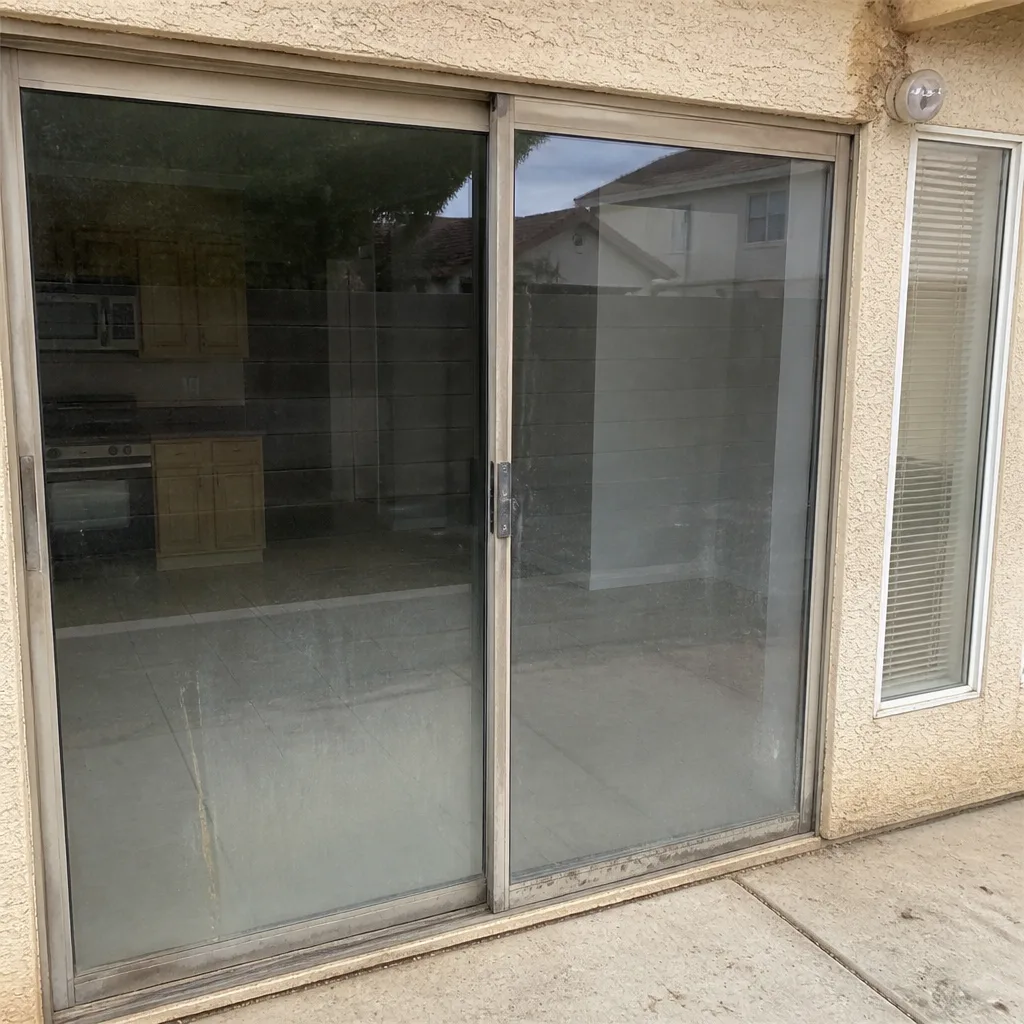 Before
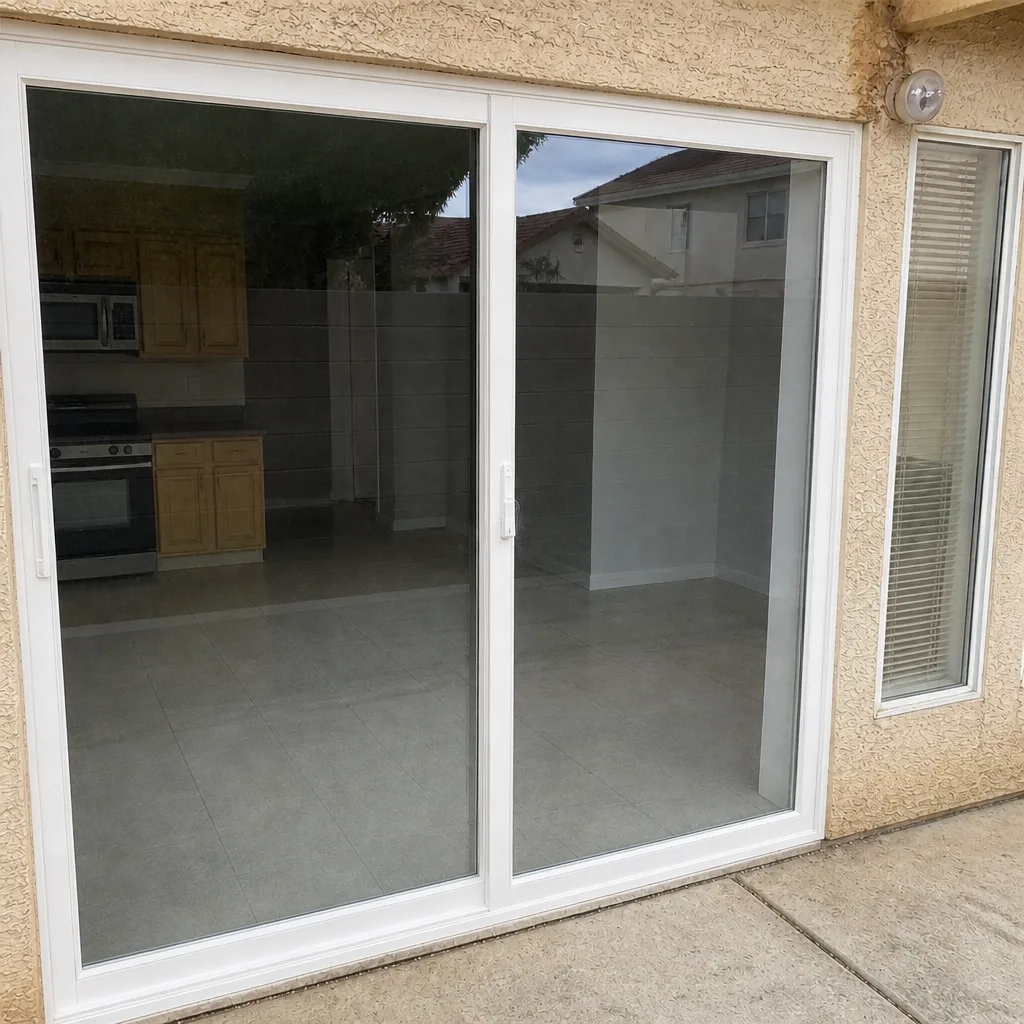 After
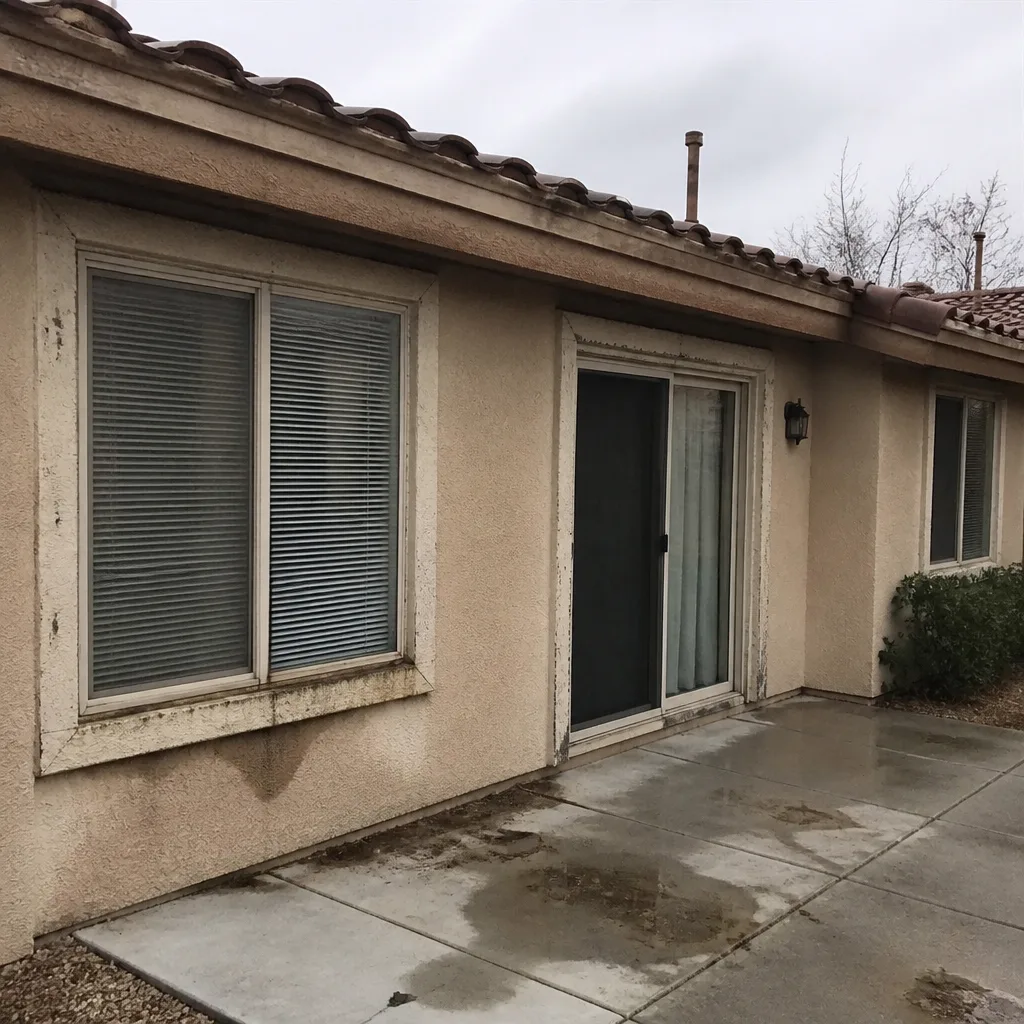 Before
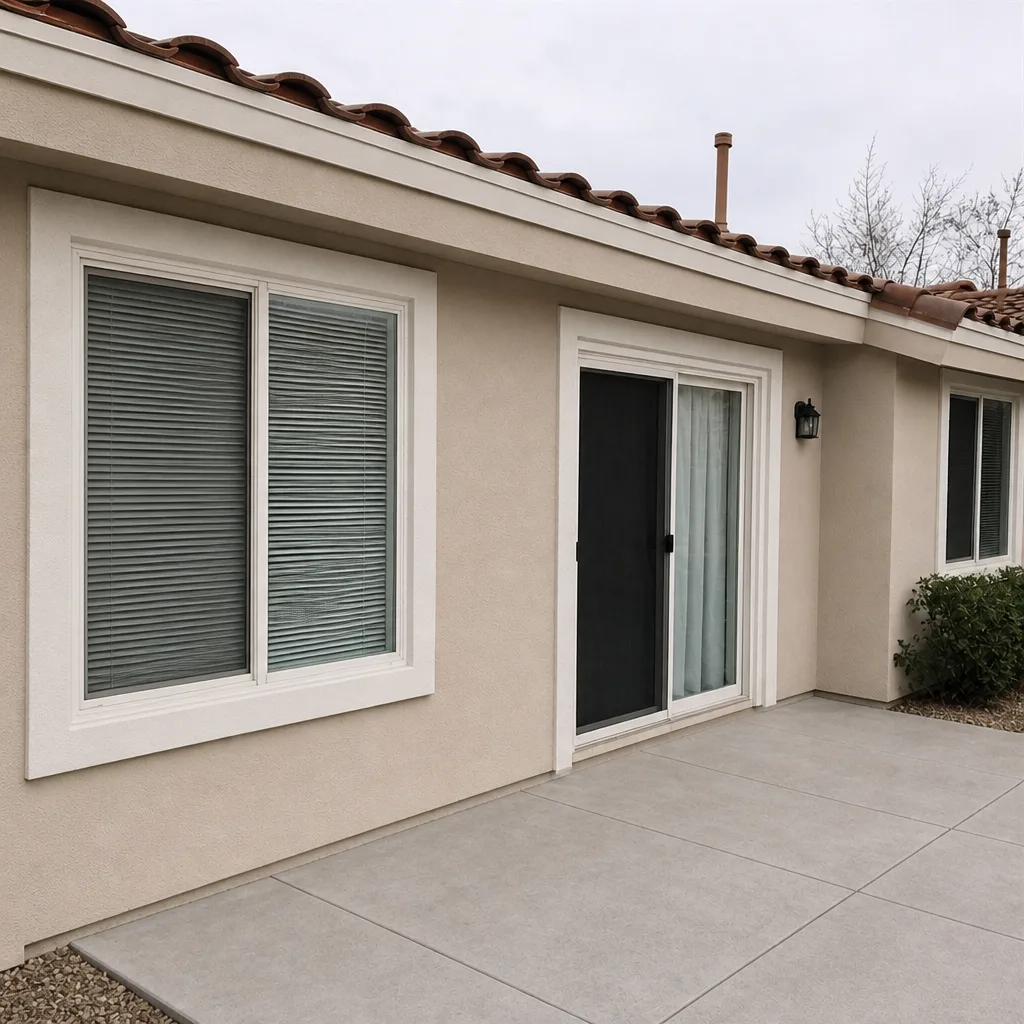 After
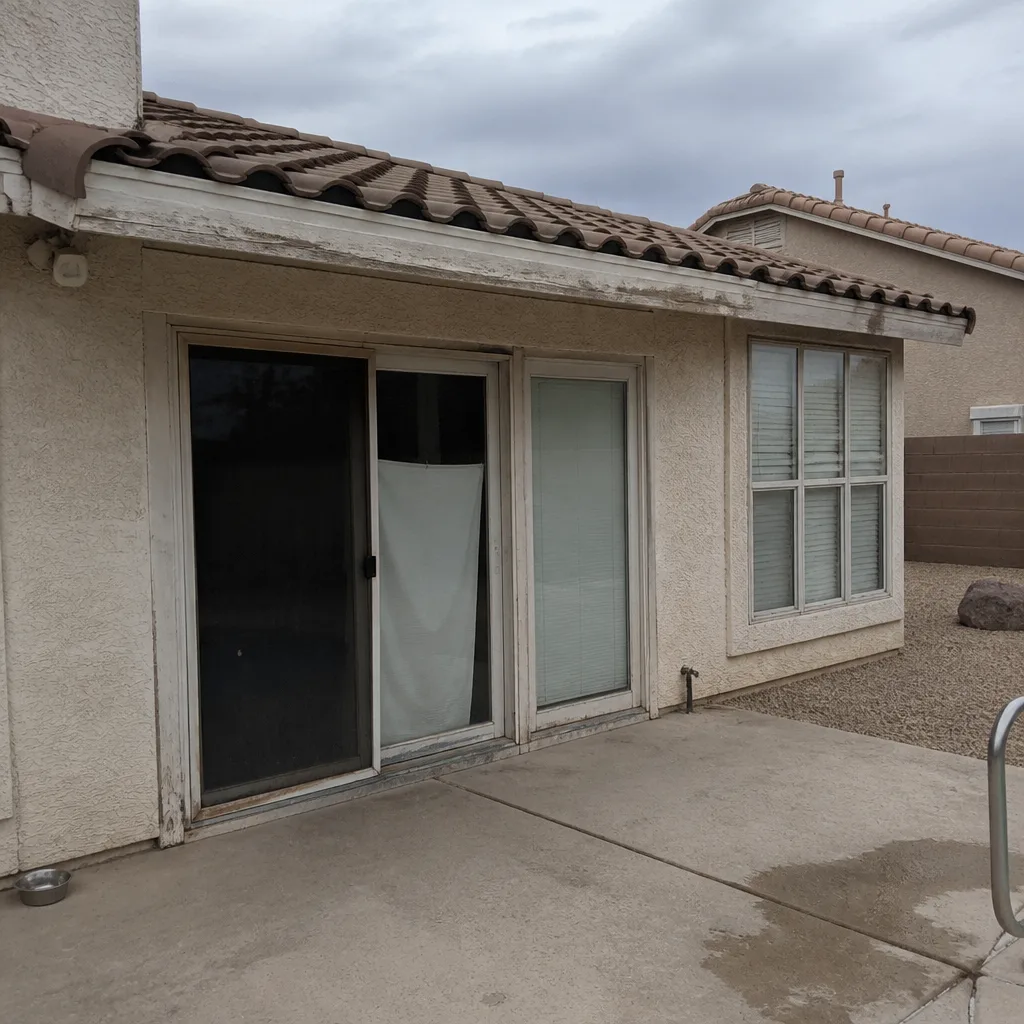 Before
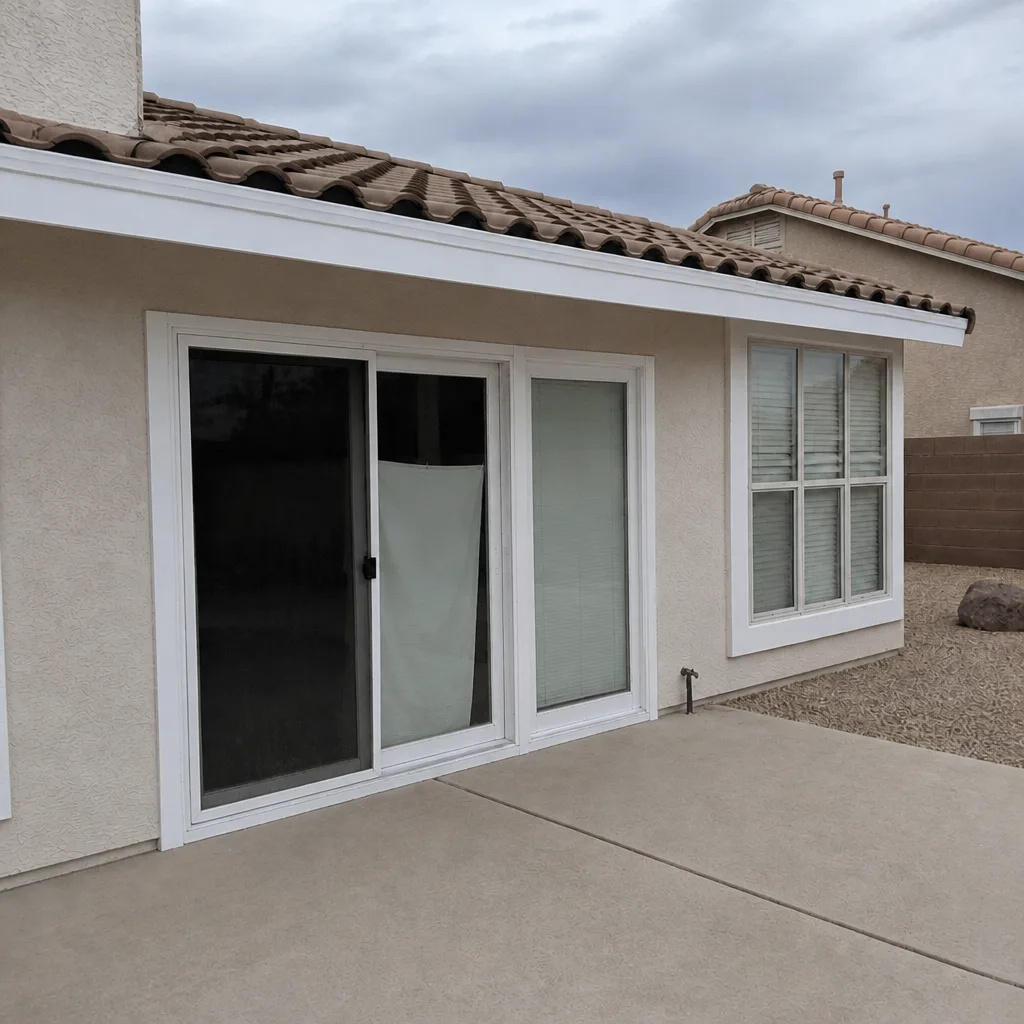 After
When to Call a Professional
Some scenarios call for a specialist without delay. If you’re replacing windows in a bedroom and need to confirm egress, if you’re changing a door’s size or swing, if you’re adding a new opening to an exterior wall, or if your home’s wind exposure requires an impact-rated product, get professional eyes on the scope before you buy. The same goes for any project where a previous remodel might have left unpermitted work, or where you’re unsure which building department governs your address. Trying to sort this out after the product is ordered is the expensive way to learn. Jasper Windows & Doors offers free estimates in Las Vegas, and we’ll help you sort the scope, the code questions, and the product selection in one conversation. Call (844) 761-6772 to schedule yours.
Frequently Asked Questions
It depends on the scope. Many like-for-like replacements that keep the same opening and meet local wind and energy requirements can proceed without a permit, but any change in opening size, new opening, egress change, or product rating typically requires one. Confirm with the building department that governs your address before ordering. Call (844) 761-6772 for a free estimate and a scope review.
Permit fees are set by the governing building department and are based on the project’s valuation and type, so we can’t quote a flat number here. The best move is to confirm the current fee schedule with city or county officials for your project, then get a written estimate that includes it. Call (844) 761-6772 to schedule a free estimate.
An inspection can fail if the installed product doesn’t match the approved plans, the anchoring or flashing doesn’t meet spec, a required egress opening is non-compliant, or required documentation is missing. Inspections go smoothly when the product and installation are built to the plan from the start. Call (844) 761-6772 for a free estimate and to plan a compliant project.
Yes, for homes whose wind exposure or code requirements call for that performance. Impact-rated lines like those from PGT, CGI, and ECO Window Systems give a home the wind performance it needs while looking the way you want. We compare specifications against your home’s actual requirements. Call (844) 761-6772 for a free estimate.
You can, but it’s a substantial change that affects the opening, framing, and wall structure, so it typically requires a permit and inspection. It’s not a like-for-like swap. Have a specialist review the structure and permissions first. Call (844) 761-6772 to schedule a free estimate.
It can surface during a new permit review, and the building department may require it be addressed before proceeding. Flagging it early lets a specialist plan around it instead of discovering it mid-project. Call (844) 761-6772 for a free estimate and we’ll help you sort the history before you order.
The Bottom Line
Windows and doors are a code-driven purchase in Las Vegas, and the rules center on wind-load performance, energy efficiency, egress, and inspection. A like-for-like swap can be simple; a change in size, opening, function, or product rating pulls in permitting and inspection. The homeowners who come out ahead confirm the scope and jurisdiction first, select products that match the required specifications, and have the paperwork in order before ordering. Get those steps right and the project moves from permit to final inspection without surprises. Need help with the scope? Call (844) 761-6772 for a free estimate.
Written by the team at Jasper Windows & Doors.