Last updated November 16, 2026
 Sliding glass doors
 Single hung
 Double hung
 Horizontal roller
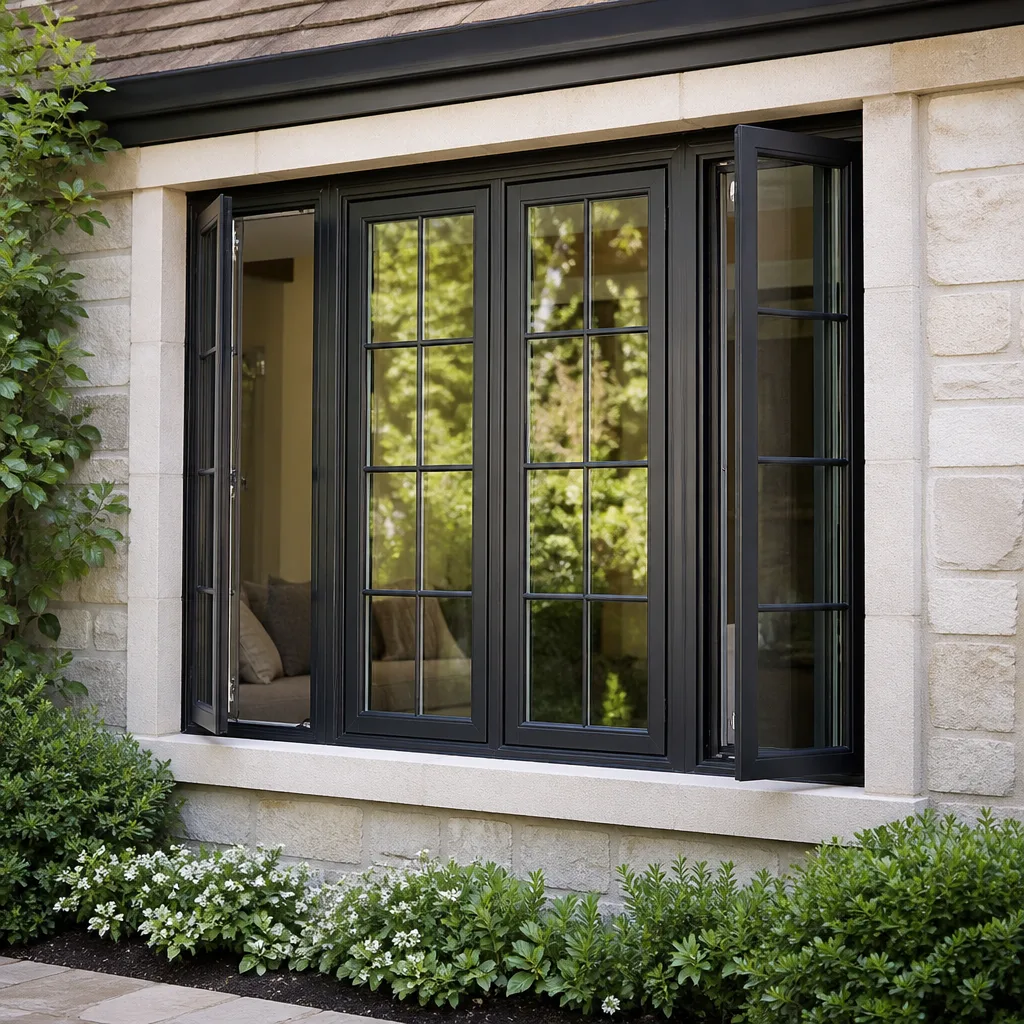 Casement
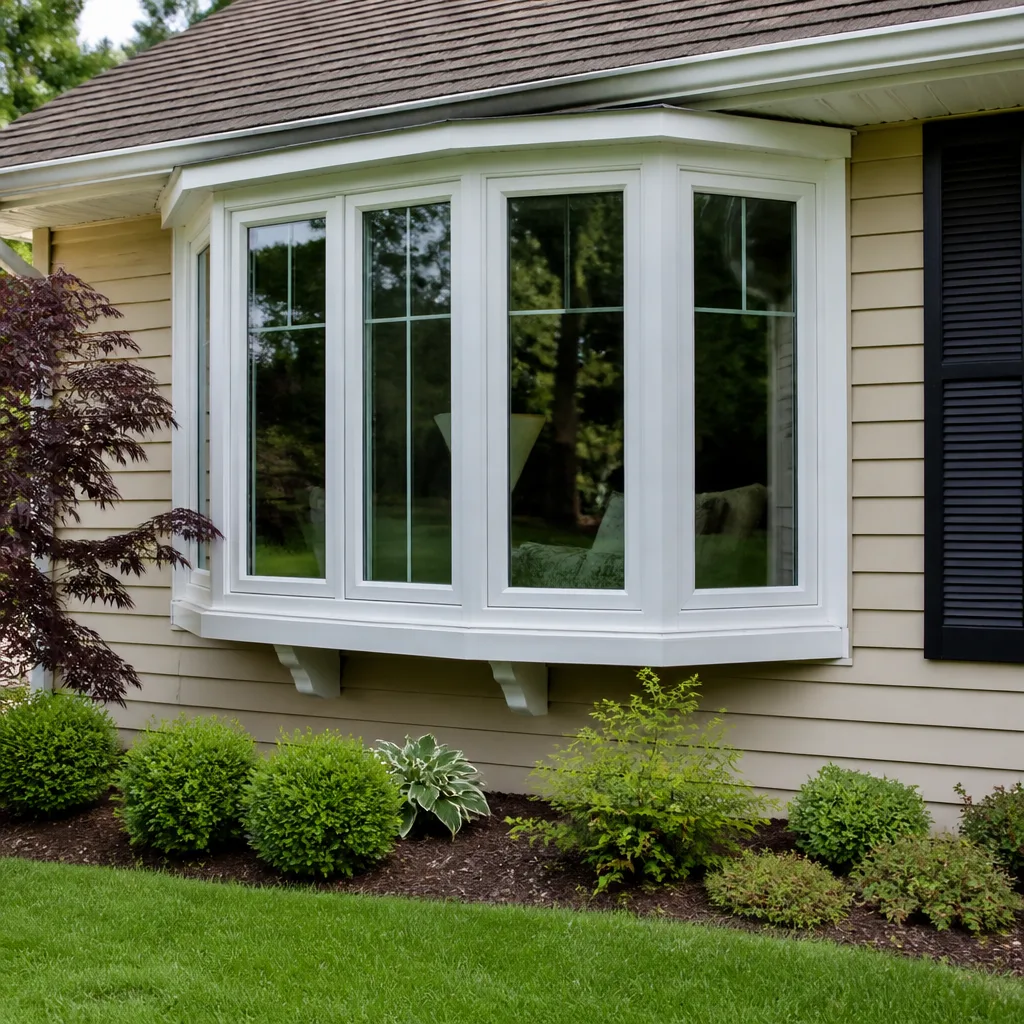 Bay & bow
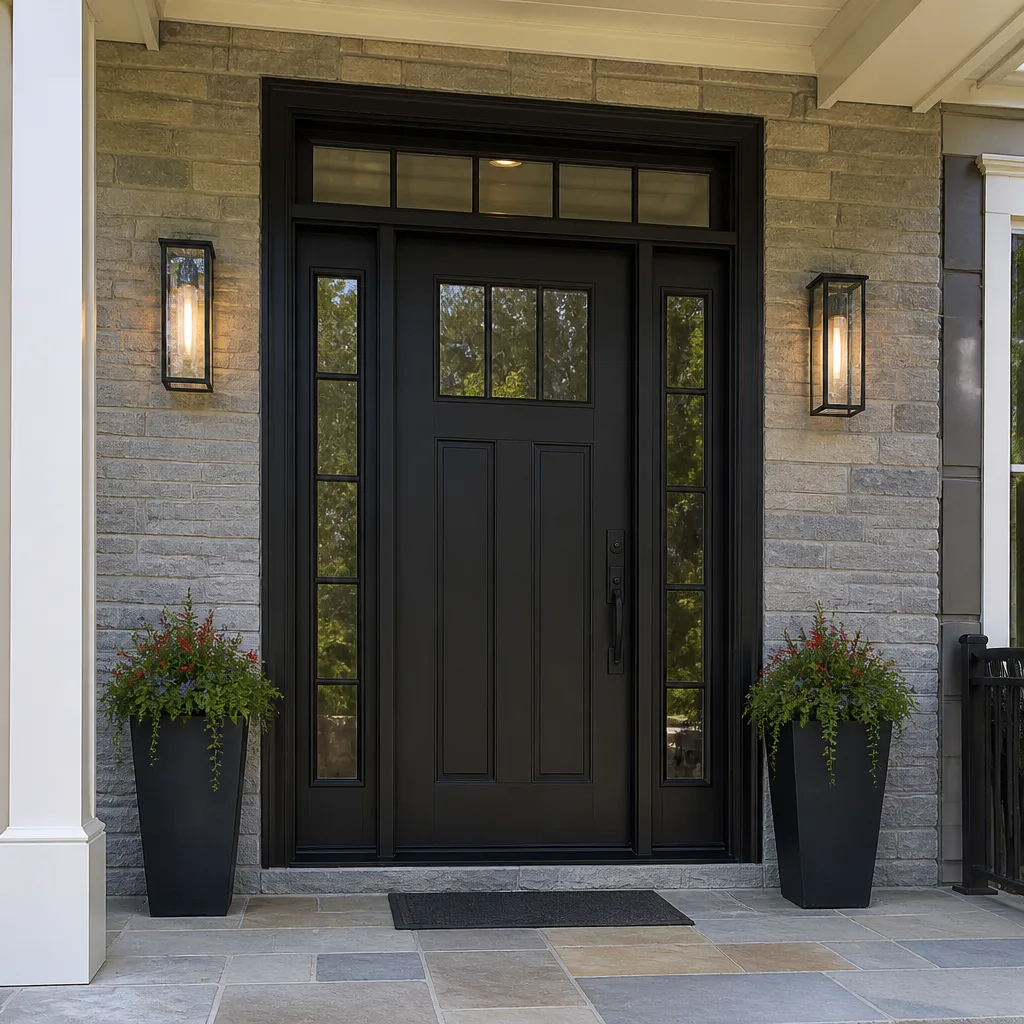 Entry doors
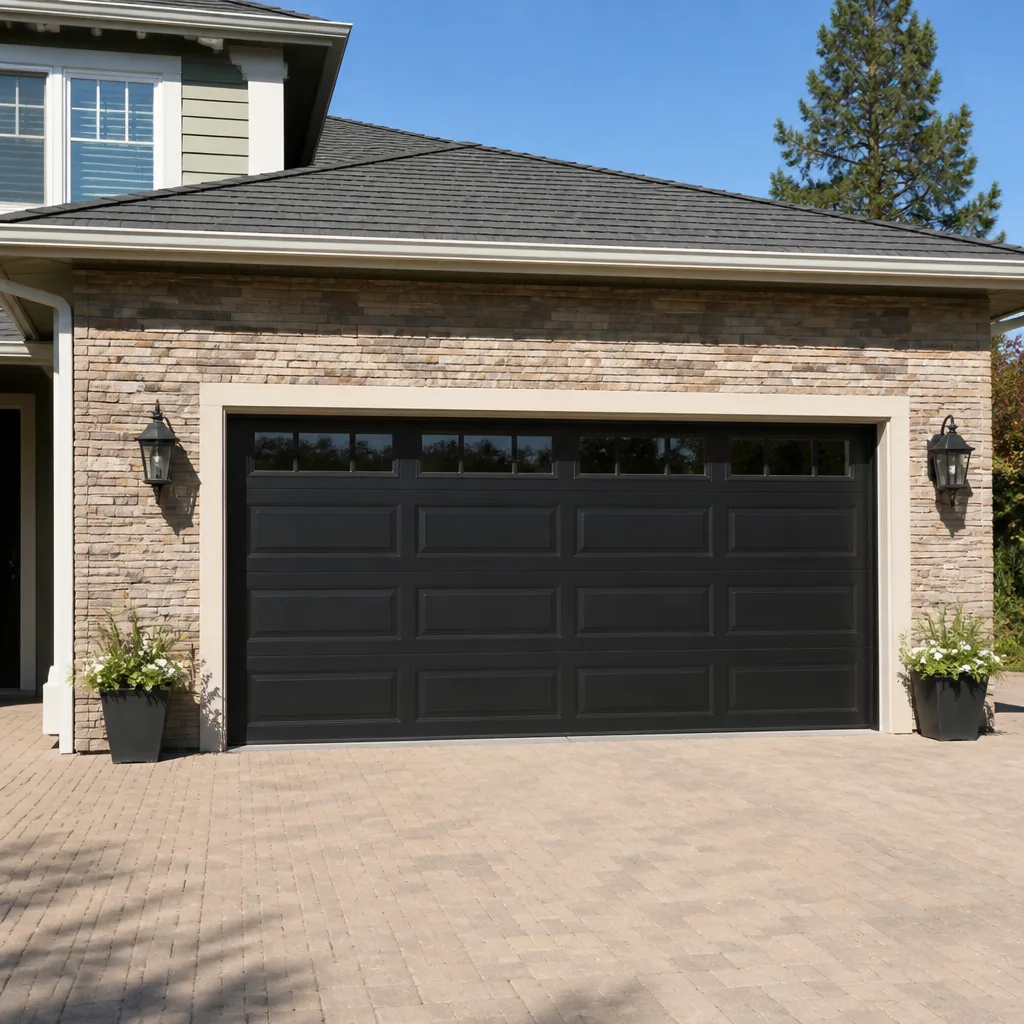 Impact garage doors
 PGT
 CGI
Free in-home measure and quote - PGT, CGI and CWS impact lines compared on your actual openings, style by style
Get your free estimateWindows & Doors Warning Signs: A Las Vegas Homeowner’s Reference Guide
Condensation between the panes isn’t just ugly. It’s proof that the insulating gas has already escaped and the window is now performing at single-pane efficiency, usually for the past six to eighteen months. That’s the thing about windows and doors in Las Vegas: they rarely fail without warning. The desert sends clear, readable signals 12 to 24 months before a window or door gives out completely. The difference between catching those signals early and ignoring them is often the difference between a modest repair and a full replacement. This guide walks you through what to look for, broken down by frame, glass, hardware, and weatherstripping, so you can triage your own home before you call anyone.
Quick Answer
In Las Vegas, the most reliable early warning signs of window and door failure are fogging or condensation between glass panes, chalky white oxidation on frames, doors that stick or bow in summer heat, and weatherstripping that has hardened or pulled away. Any one of these means the unit has lost performance and should be inspected. Two or more together usually mean the window or door is within a year or two of needing window replacement.
Styles & brands we work with
- Single hung
- Double hung
- Horizontal roller
- Casement
- Bay & bow
- Sliding glass doors
- Entry doors
- Impact garage doors
- PGT
- CGI
Table of Contents
- Why Las Vegas Homes Age Differently
- Glass Warning Signs: Fog, Haze, and Seal Failure
- Frame Warning Signs: Chalking, Cracking, and Caliche
- Door Warning Signs: Bowing, Sticking, and Heat-Soaked Stoops
- Hardware and Weatherstripping Warning Signs
- Triage: What Needs Immediate Action vs. What Can Wait
- Warning Signs That Void Manufacturer Warranties
- Installation Problems vs. Product Problems
Why Las Vegas Homes Age Differently
The climate that makes Las Vegas comfortable nine months of the year is unusually hard on exterior building products. A window in Las Vegas spends its life cycling between summer afternoons that push glass surface temperatures well past ambient air temperature and winter nights that drop into the forties. That daily expansion and contraction stresses every seal, gasket, and frame joint on the house.
Add the UV load. Southern Nevada gets more direct sun hours than almost anywhere in the country, and that ultraviolet exposure attacks vinyl, paint, and rubber continuously. Then there’s the dust. Wind-driven desert dust works its way into tracks, weep holes, and weatherstripping channels, and once it’s in, it doesn’t leave on its own.
What this means practically is that windows and doors in Las Vegas don’t wear out the way a manufacturer’s generic lifespan chart suggests. A window rated for 25 years in a mild climate may show meaningful seal degradation in 12 to 15 years here. The warning signs arrive earlier, but they arrive just as predictably. If you learn to read them on a Las Vegas home, you get more useful lead time than a homeowner almost anywhere else.
The other local factor is what’s under the house. Much of Las Vegas is built on caliche, a naturally cemented soil layer that expands and shifts with moisture in ways ordinary soil doesn’t. Slab movement transfers directly into door frames and window openings, which is why so many door problems in this city trace back to the slab rather than the door itself.
Glass Warning Signs: Fog, Haze, and Seal Failure
Double-pane and triple-pane windows trap an insulating gas, usually argon or krypton, between two panes sealed at the perimeter. When that perimeter seal fails, the gas escapes and moisture enters. The visible result is condensation, fogging, or a milky haze between the panes that never clears no matter how dry the weather is.
This is the single most reliable and most misunderstood warning sign in Las Vegas. A homeowner sees fog between the panes, wipes the inside of the glass, finds nothing, and assumes the problem is cosmetic. It isn’t. The fog is the proof. That window is now performing closer to single-pane efficiency, which in a Las Vegas summer means your air conditioner is working harder than it should every afternoon.
Here’s how to check your glass:
- Look through each pane at a low angle during bright daylight, when fog and haze are easiest to see.
- Check the corners of each unit first. Seal failure usually starts at the perimeter and works inward.
- Watch for a persistent whitish or gray film that doesn’t respond to glass cleaner.
- Note any pane that feels noticeably hotter on the interior surface in summer than neighboring panes.
- Photograph any fogging with a date stamp. Seal failure is a documented condition, and that documentation matters if a warranty claim comes into play.
Seal failure also has a timeline. In our experience across Las Vegas, once fogging appears, the insulating gas has typically been gone for six to eighteen months already. The window won’t fail catastrophically, but it will keep costing you in summer cooling load until it’s replaced or reglazed. Impact-rated lines from manufacturers like PGT, CGI, and ECO Window Systems are built to resist this kind of thermal cycling, which is one reason we carry them for desert installations.
Frame Warning Signs: Chalking, Cracking, and Caliche
Exterior frames take the full UV hit. On painted or powder-coated aluminum and on older vinyl, sustained sun exposure oxidizes the surface and produces a chalky white residue that rubs off on your hand. Chalking isn’t just a cosmetic annoyance. It’s evidence that the protective coating has broken down, and once that happens the frame is exposed to dust, moisture, and further UV damage.
Run a simple test. Wipe a clean white cloth along an exterior frame in a shaded spot, then again in a sun-exposed spot. If the sun-exposed section leaves a white powdery trace and the shaded section doesn’t, the coating is degrading. That’s a frame you’ll want an expert to look at before the next decade of summers finishes the job.
Then there’s caliche. Around window weep holes, the small drainage channels at the bottom of the frame, caliche mineral staining shows up as a white or gray crust. Weep holes exist to let water drain out and pressure equalize. When they clog with dust, sand, or mineral residue, water trapped inside the frame has nowhere to go, and trapped water is what produces rot, corrosion, and seal failure on the interior side of a window.
Check for these frame warnings:
- White chalky powder on sun-facing frame surfaces
- Visible hairline cracks at frame corners or miter joints
- Caliche or mineral crust around weep holes
- Weep holes that are visibly blocked or painted over
- Soft spots or bubbling in the frame surface near the sill
- Frame joints that separate slightly when you press on the sash
Weep holes can usually be cleared, but the staining around them is a diagnostic clue worth having a specialist read in person. Blockage that’s been sitting for years often means the damage is already inside the frame.
Door Warning Signs: Bowing, Sticking, and Heat-Soaked Stoops
Exterior doors in Las Vegas live a uniquely hard life. A west-facing entry door takes direct afternoon sun across its full face, and the concrete stoop beneath it soaks up heat all day and radiates it upward into the door’s bottom rail. Add a south- or west-facing orientation and that door can be thirty to forty degrees hotter than the air on the other side of it.
The visible result is bowing. A door that fit perfectly in March catches and drags along the threshold by July. It’s tempting to label this a humidity problem, but Las Vegas has no humidity to speak of. The bowing here is thermal, not moisture-driven. Heat expands the slab, the frame moves slightly, and the door panel itself can cup or warp when one face stays dramatically hotter than the other.
Watch for these door symptoms:
- Sticking that appears in summer and eases in winter
- A visible gap along the top or side of a closed door when daylight shows through
- Dragging at the threshold or catching on the strike plate
- Daylight visible around the perimeter of a closed door
- A door that won’t latch without a push or a lift
- Warping or cupping visible when you sight down the door’s edge
Weatherstripping on an exterior door is the first casualty of heat-soaked stoops. It hardens, compresses, and loses its seal, and once that happens your entry door is an open channel for hot air, dust, and in a desert climate, scorpions and other pests that are looking for shade. Premium entry-door systems from Therma-Tru are engineered with the thermal movement of hot climates in mind, which is why we’re authorized to supply and install them.
Hardware and Weatherstripping Warning Signs
Hardware and weatherstripping sit at the working end of every window and door, and they’re the first parts to show wear that’s usually invisible until something fails outright. The good news is that these checks take ten minutes and don’t require any tools beyond your hands and a flashlight.
Hardware checks
- Turn every window crank and lock through its full range. Grinding, catching, or a loose feel means internal wear or debris.
- Check that window locks engage fully and the sashes pull tight against the frame. A lock that won’t fully engage is a security gap, not just a nuisance.
- Test door deadbolts and handles. A handle that feels loose or a deadbolt that only turns partway is a warning sign.
- Look for rust or pitting on steel hardware. Desert dust mixed with occasional irrigation overspray can accelerate corrosion.
- Check window screens for tears. Screens are the first barrier against insects and debris.
Weatherstripping checks
- Run your hand around the perimeter of a closed door. Feel for moving air and note any spot that leaks.
- Inspect the bulb or blade seal on door bottoms. It should feel springy, not brittle.
- Check window weatherstripping for compression. If it’s flat and hard, it’s no longer sealing.
- Look for gaps where weatherstripping has peeled away from its channel.
- Hold a thin piece of paper in a closed door in several spots and try to pull it out. If it slides out with no resistance, the seal is gone.
Replacing weatherstripping is a small job with a real payoff, but if you’re seeing hardened seals on multiple openings at once, it’s worth asking whether the underlying window or door is nearing the end of its service life. Windows from lines like ES Windows and ECO Window Systems come with weatherseals rated for the thermal cycling a Las Vegas home experiences, which makes for a meaningful difference over a decade of summers.
Triage: What Needs Immediate Action vs. What Can Wait
Not every warning sign is an emergency. Some signal a window or door that needs replacement within the year, and some signal a fix that can wait for the next budget cycle. Here’s how we sort them when we walk a Las Vegas home.
Immediate action: call a specialist now
- Broken glass or a sash that won’t close fully. This is both a security and a safety concern, and in a Las Vegas summer an open window means an HVAC system doing extra work for no benefit.
- Water intrusion into the interior wall or sill. Any moisture making it inside means the frame is compromised and the damage can spread to drywall, framing, and insulation.
- A door that won’t lock or latch. Security gaps don’t wait for a convenient weekend to fix.
- Visible daylight through a closed exterior door. This means the door is no longer sealing, and dust, heat, and pests are getting in.
Schedule for the next budget cycle: within 6-12 months
- Fogging between panes. The window has lost efficiency but isn’t a safety issue. Plan for replacement within the year and treat it as a known cost.
- Frame chalking on multiple windows. This is a structural life signal, not an immediate hazard, but it accelerates over time.
- Hardened weatherstripping on several openings. Replaceable in isolation, but if it’s happening on five or more windows at once, you’re likely looking at replacement instead.
- Doors that stick in summer and ease in winter. A pattern worth watching. If it worsens year over year, plan for a fix sooner rather than later.
Monitor: low priority
- Single window with minor crank friction. Usually a hardware or debris issue, not a window problem.
- Cosmetic frame surface wear without chalking or cracking. Worth watching.
The honest version of this advice: a single fogged window usually waits. Four fogged windows on the west face of the house with chalky frames is a replacement conversation, and delaying it doesn’t save money, it just moves the cost. We’re happy to help you sort that out with a free estimate, and window installation is a straightforward project when it’s the right call.
Warning Signs That Void Manufacturer Warranties
Manufacturer warranties on windows and doors are more conditional than most homeowners realize. The common ones cover seal failure, frame integrity, and hardware performance, but almost all of them require the homeowner to act on documented issues within a specific window of time. Ignoring a sign doesn’t extend the warranty, and it can void it.
The clearest example is seal failure. Once the seal between panes has broken, the manufacturer will often replace the unit or reglaze it, but the claim is typically subject to a specific timeframe from the date of manufacture and sometimes from the date the failure was first observed. That’s why we tell homeowners to photograph fogging the moment they notice it and keep the file. The warranty clock is already running.
Other warranty-relevant warning signs:
- Frame cracking or delamination. Warranty coverage is usually conditional on the failure being a defect rather than damage from neglect or an installation error.
- Hardware failure. Often fully covered, but only if the hardware hasn’t been modified or repaired improperly first.
- Weatherstripping failure within the warranty period. Dependent on whether the failure is normal wear or a defect.
- Water intrusion damage. Most likely not covered if the cause traces back to an unaddressed installation issue or to a gap that went unsealed for years.
Serial numbers matter here. Every window has one, usually stamped or stickered on the sash edge or frame, and the serial number is what the manufacturer uses to verify the unit’s production date and warranty terms. Take a photo of each serial number when you buy a home in Las Vegas. It’s the single best piece of documentation you can have when a warranty question comes up.
Installation Problems vs. Product Problems
One of the most useful skills a homeowner can develop is knowing whether a failure is the window’s fault or the installation’s fault. They look similar from the inside of the house, but the fix is entirely different, and so is who’s responsible for it.
Signs of an installation problem
- Fogging that appears within the first year on a new window
- Water intrusion around the frame perimeter but not at the glass
- A draft that runs in a straight line along a frame joint or the sill
- Repeated failures on the same window across multiple replacements
- Doors that never fit quite right even after adjustment
When you see these, the product itself is usually fine. The failure is in the sealant line, the flashing, or the shim and anchor placement. That means the installation contractor is the party responsible for the fix, and the manufacturer’s warranty may not cover it at all.
Signs of a product problem
- Fogging that develops years after installation
- Frame cracking or delamination away from joints
- Hardware that fails independently of installation stress
- Seal failure on multiple windows from the same production run
These tend to be covered by the manufacturer warranty, and the fix is usually a replacement unit under the existing frame.
This is why we’re careful about which products we bring to a Las Vegas home. A window that performs in a mild climate can fail in the desert, and a great window installed badly is just a better-looking problem. When we compare product lines side by side, the recommendation is shaped by your home’s wind load, energy goals, curb appeal, and budget, not by which brand we happen to have inventoried. The right window for your home is the one that fits, not the one that’s easiest to sell.
Common Mistakes to Avoid
- Assuming fog between panes is cosmetic. It’s the single clearest indicator that a window has lost its insulating gas and is no longer performing. Treat it as a documented failure, not a blemish.
- Not photographing serial numbers and fogging on day one. When a warranty claim comes into play, dated documentation is what gets it approved. Take the photos when you notice the issue, not six months later.
- Blaming the door for a slab problem. Las Vegas door sticking is usually thermal movement from the concrete beneath it, and a new door installed over an uncorrected slab will stick in the same place. Diagnose the slab before buying the slab’s replacement.
- Clearing weep holes with a pressure washer on full blast. High-pressure water can force water further into the frame. If you’re going to clear them, use a gentle flow and inspect the staining around them for a sign of internal damage.
- Ignoring chalky white residue on sun-facing frames. Chalking is the first stage of frame degradation, and once it starts, dust and UV accelerate the process. It’s the cheapest window sign to catch early.
- Replacing a single fogged window without checking its neighbors. Windows are made in production batches and exposed to the same climate. If one has failed, its neighbors are often within a year or two of the same failure, and replacing them together usually costs less than two separate jobs.
- Assuming a handyman’s install is equivalent to a specialist’s. Windows and doors are the same product category every day for our installers, and that depth of craft is not the same as a generalist working on a window between other jobs.
See the difference
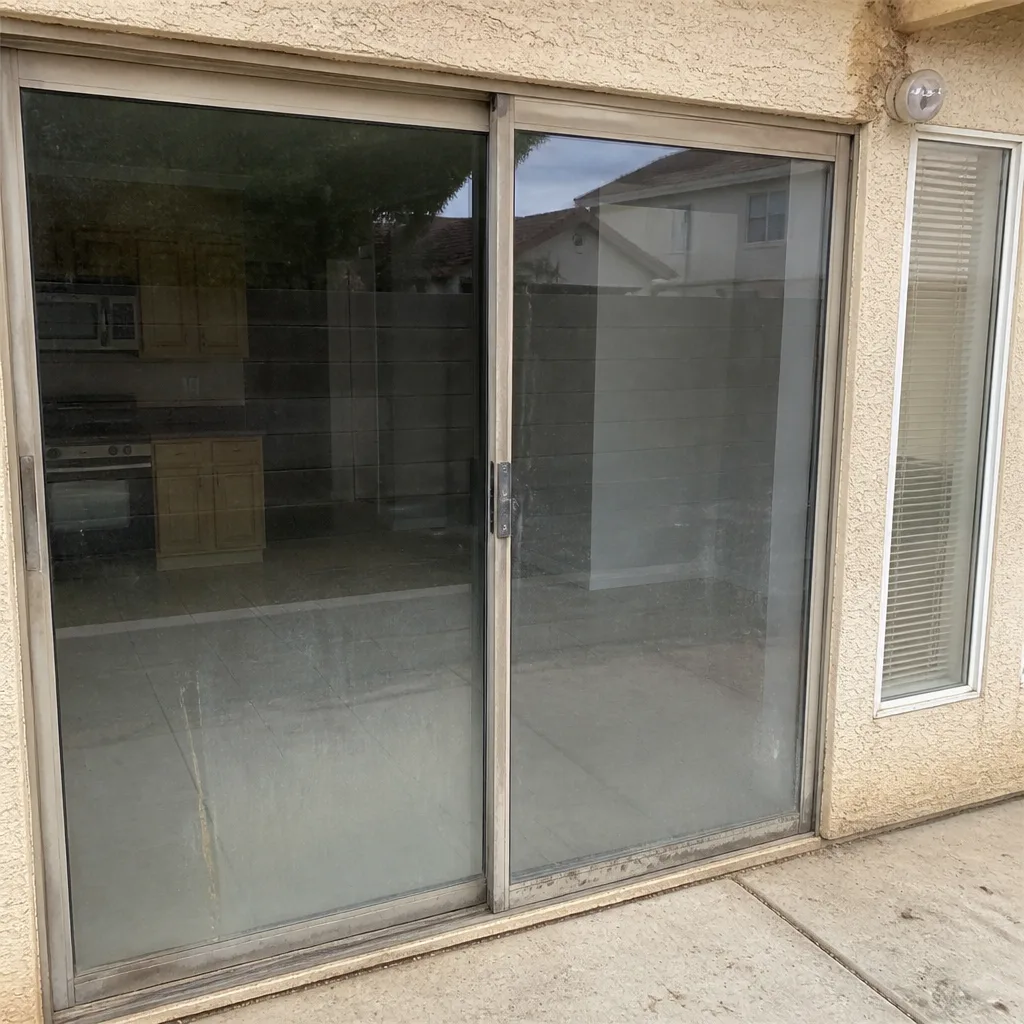 Before
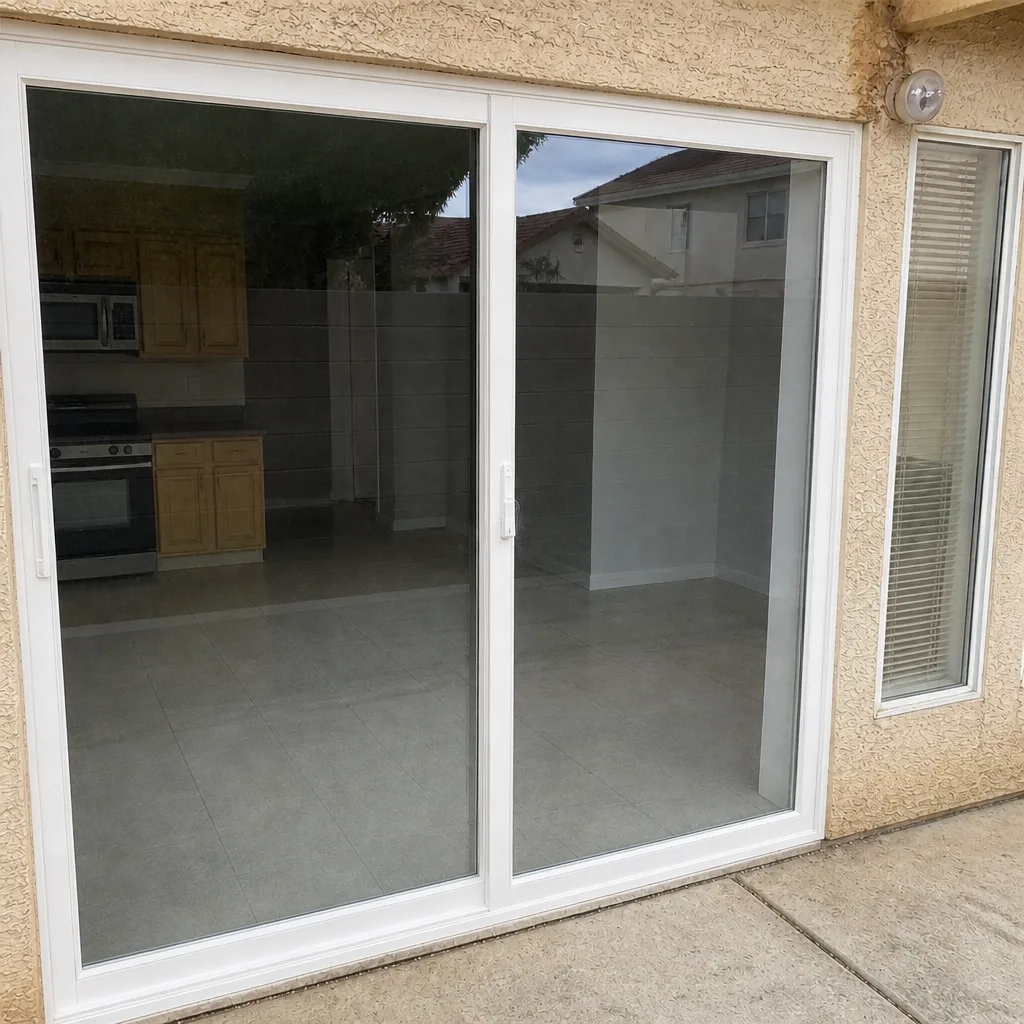 After
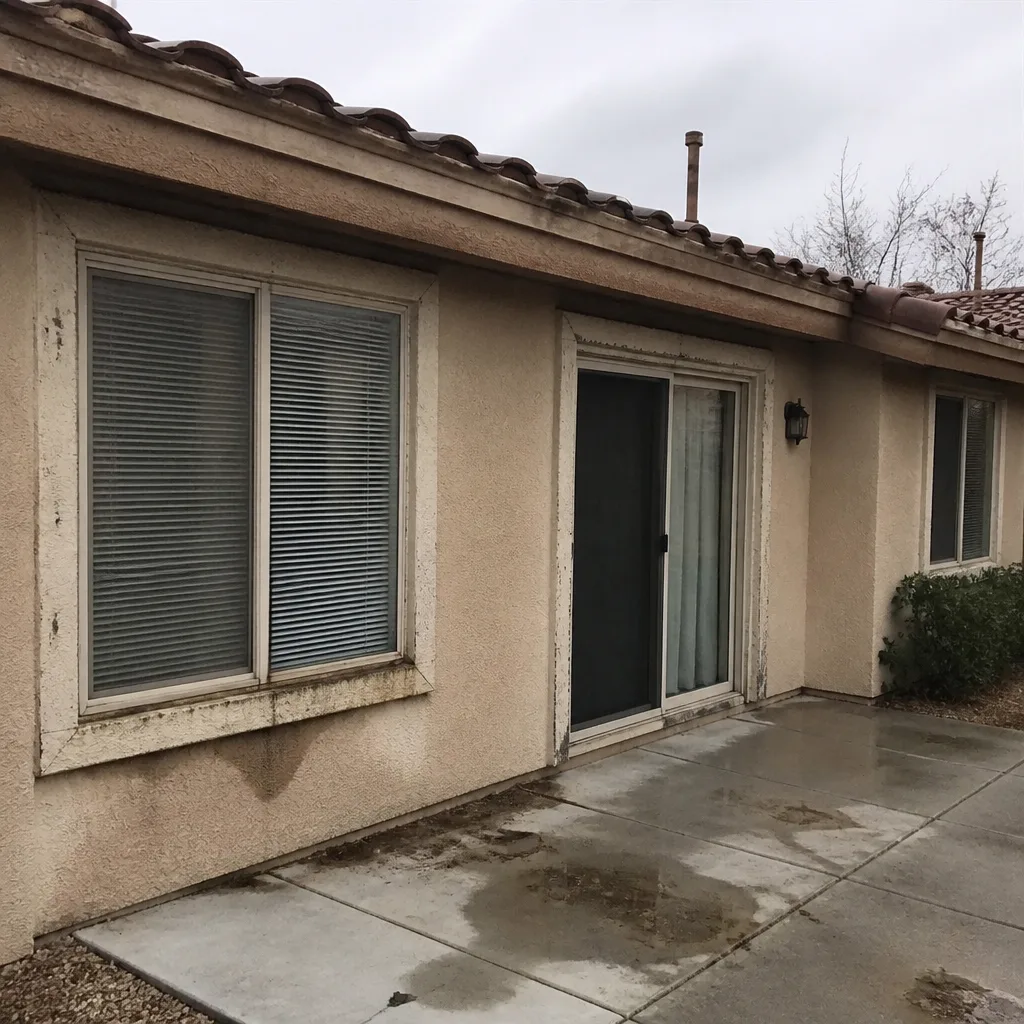 Before
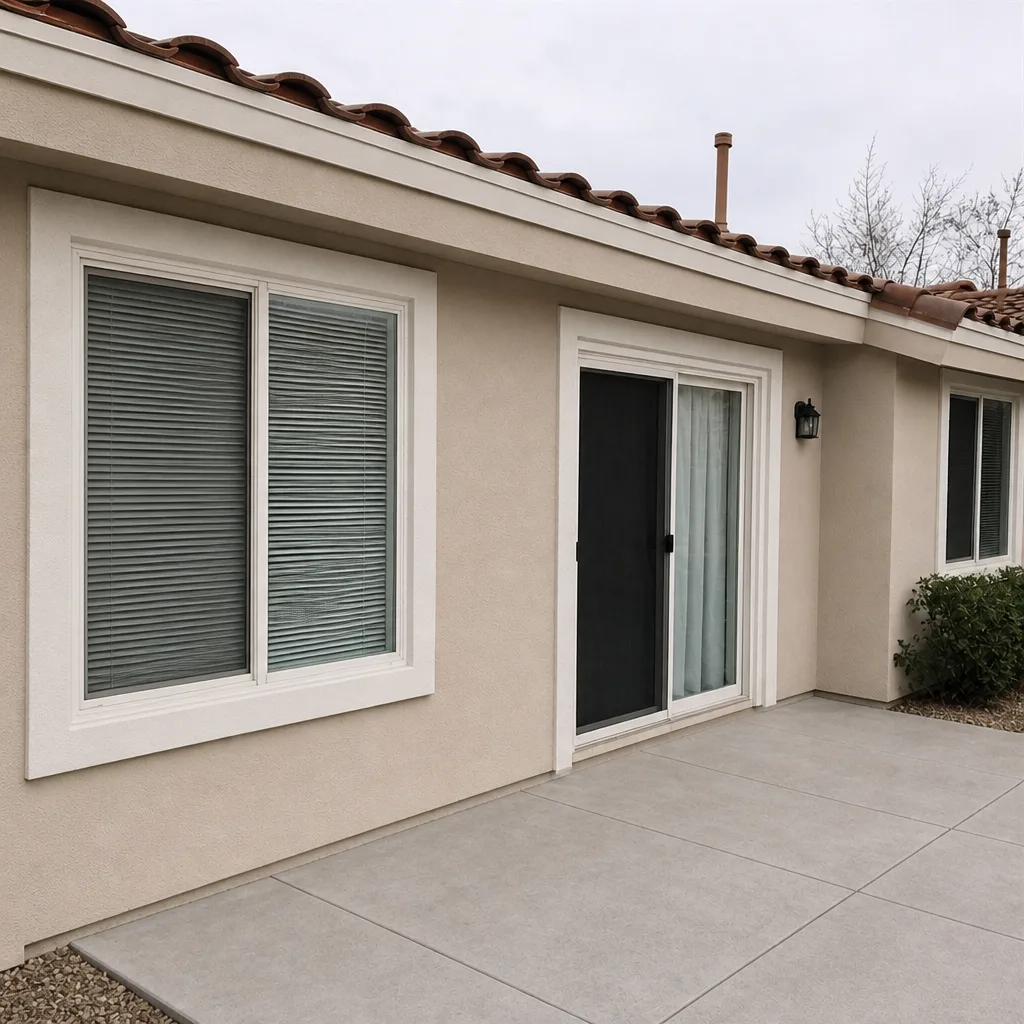 After
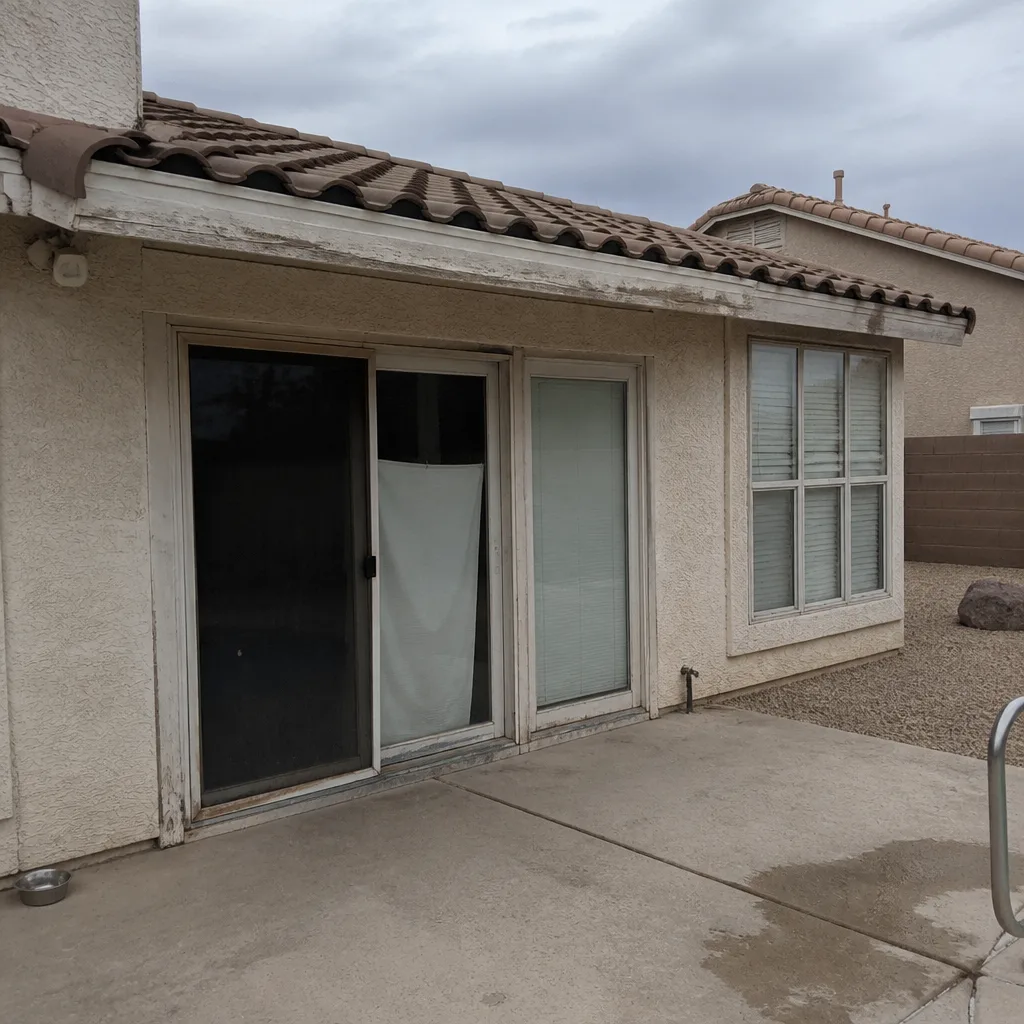 Before
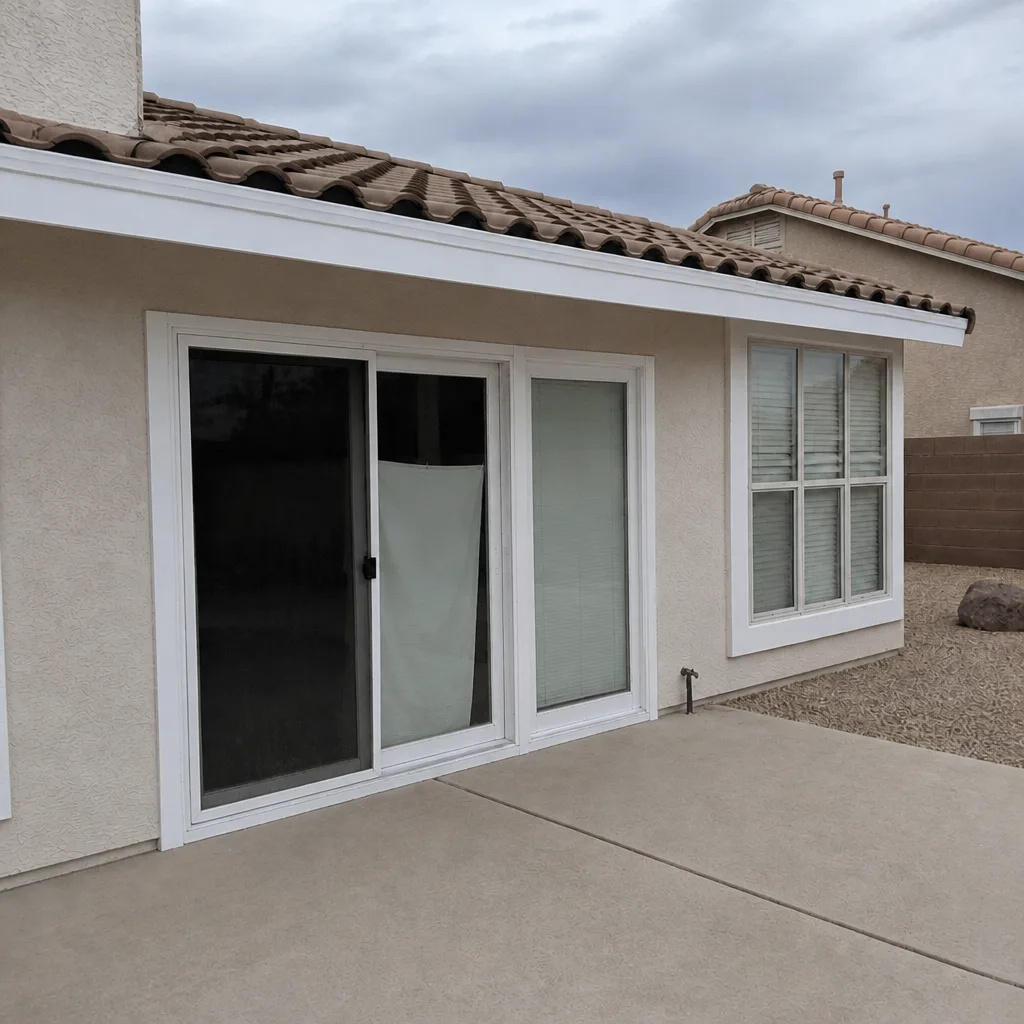 After
When to Call a Professional
Call a specialist if any of these is true: you see fogging between the panes on more than one window, exterior frames show chalky white oxidation, a door sticks or catches and daylight shows around its perimeter, weatherstripping has hardened or pulled away in multiple spots, or any window or door has visible water damage to the surrounding wall or sill. Those conditions are diagnosable in a single visit and often warrant a written evaluation of whether the right answer is repair or replacement.
Also call if you’re uncertain. A free estimate is designed to give you a straight answer about what you’re looking at, and we’re happy to compare product lines for you before you commit to anything. Our technicians have up to 10 years of experience, and we work exclusively on windows and doors for homes in Las Vegas. We carry impact-rated lines from PGT, CGI, and ECO Window Systems, along with door systems from Therma-Tru, so the recommendation can follow your home’s actual requirements. Jasper Windows & Doors offers free estimates in Las Vegas. Call (844) 761-6772. We answer 24/7. Fast dispatch from 7am to 7pm, Sunday through Friday.
Frequently Asked Questions
If the fogging is between the panes, the seal has failed and the window needs replacement or a full reglaze; if the fog is only on the interior surface and wipes off, the issue is often a seal or gasket that can be repaired. Hardware failures and single-window weatherstripping issues are usually repairable, while frame chalking, multiple fogged panes, and water intrusion generally point to replacement. A free inspection in Las Vegas can tell you which category you’re in within minutes. Call (844) 761-6772 to schedule one.
Condensation between panes means the insulating gas has escaped and moisture has entered the sealed unit, and that usually happened six to eighteen months before you noticed it. The window is no longer performing at its rated efficiency. Seal failure is progressive and does not repair itself. Call (844) 761-6772 for a free estimate on replacement.
Doors in Las Vegas stick in summer because the concrete stoop beneath them absorbs heat all day and radiates it into the door’s bottom rail, pushing the slab and frame to move slightly. The door itself also warps when one face is much hotter than the other. This is thermal movement, not humidity, and it can often be corrected by adjusting the door or the frame. If sticking worsens year over year, call (844) 761-6772 to have it assessed before the door or the frame sustains permanent damage.
Fogging itself doesn’t void the warranty, but failing to report it within the covered period can void your claim. Seal failure is one of the most commonly covered conditions, and the clock starts from the manufacturer’s date or the date the failure is documented. Photograph the fogging with a date stamp, take down the serial number, and call (844) 761-6772 so we can help you determine what’s covered before the claim window closes.
Timing is the best indicator: fogging or water intrusion that appears within the first year of installation usually points to an installation issue, while failures that develop years later usually point to a product defect. Water that runs along a frame joint or sill after installation is almost always an installation problem, because the glass itself isn’t the source. If you’re unsure, call (844) 761-6772 and we’ll help you sort out which party is responsible before you call anyone else.
Check every exterior window for fogging between panes and every exterior door for daylight gaps, and photograph the serial number on each window while you’re at it. The serial numbers determine warranty coverage and save you real money if a claim becomes necessary later. A pre-purchase walkthrough with a door-and-window specialist is worth scheduling before you close. Call (844) 761-6772 for a free estimate and inspection.
The Bottom Line
Las Vegas windows and doors fail slowly and visibly, and the warning signs are almost always available to a homeowner who knows what to look for. Fog between panes means the seal has already failed. Chalky frames mean the UV defense has degraded. Doors that stick in summer are telling you about the slab beneath them. Hardened weatherstripping and loose hardware are the early warnings that everything else follows. Catch these signs when they appear and you can plan; ignore them and you’ll be reacting to a failure you could have anticipated. None of this requires a specialist to diagnose. It requires a closer look, and honest answers about what you see. That’s what we’re here for.
If your home shows a sign you’re not sure how to read, call Jasper Windows & Doors at (844) 761-6772 for a free estimate. We answer 24/7. Fast dispatch from 7am to 7pm, Sunday through Friday. As a specialist working exclusively on windows and doors with eight manufacturer lines from PGT, CGI, CWS, ES Windows, ECO Window Systems, Mr-Glass, Therma-Tru, and ViewLux, we can tell you what you’re looking at and which path makes sense for your home, without steering you toward the product that happens to be in stock. You can also visit Jasper Windows & Doors to learn more about how we work. Replacement done once, done right, with brands built to last decades.
Written by the team at Jasper Windows & Doors.