Last updated November 16, 2026
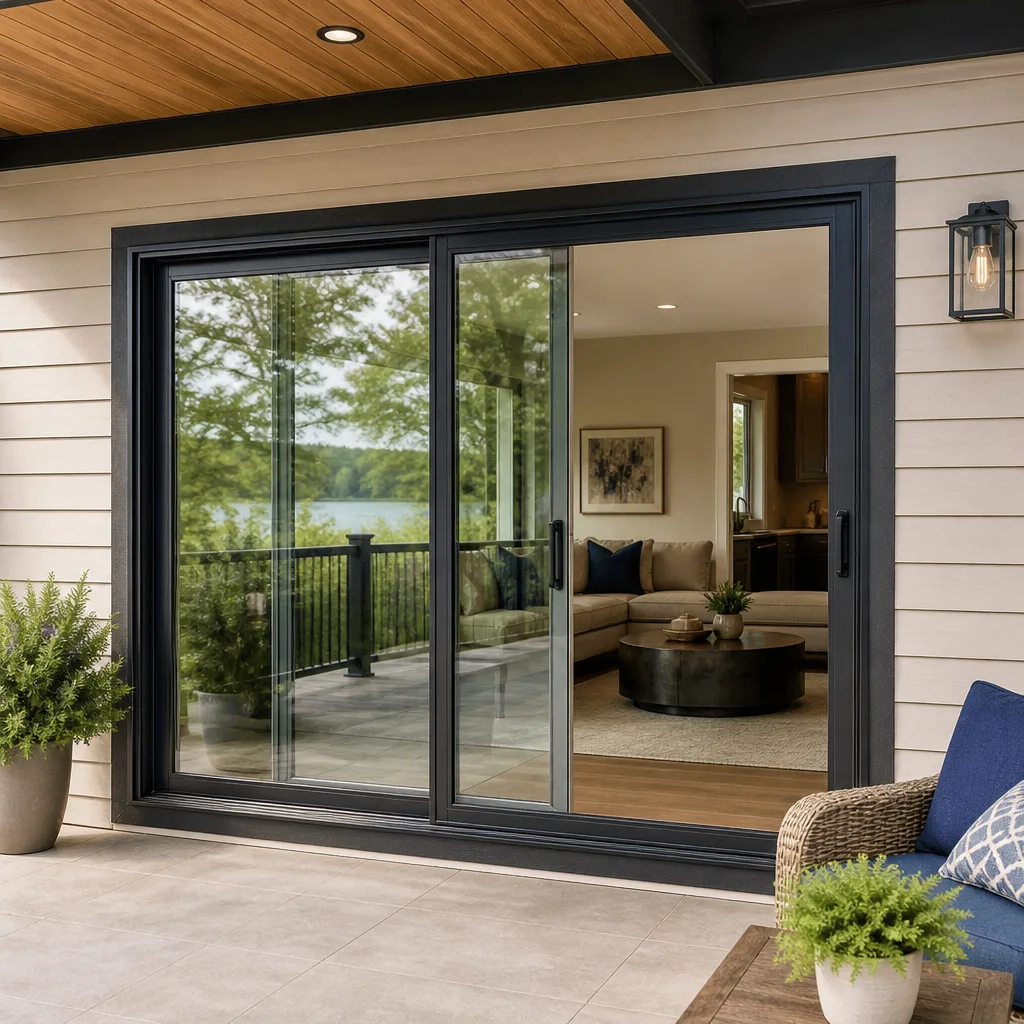 Sliding glass doors
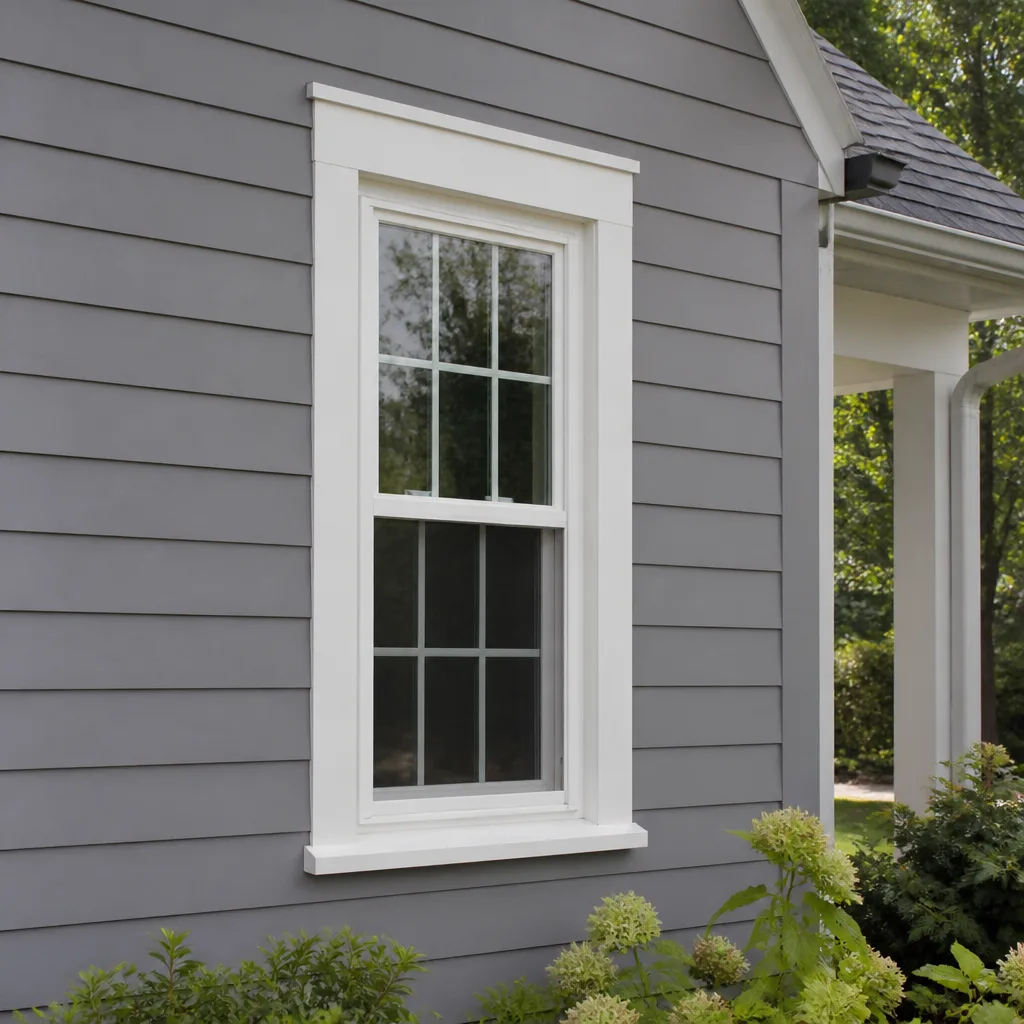 Single hung
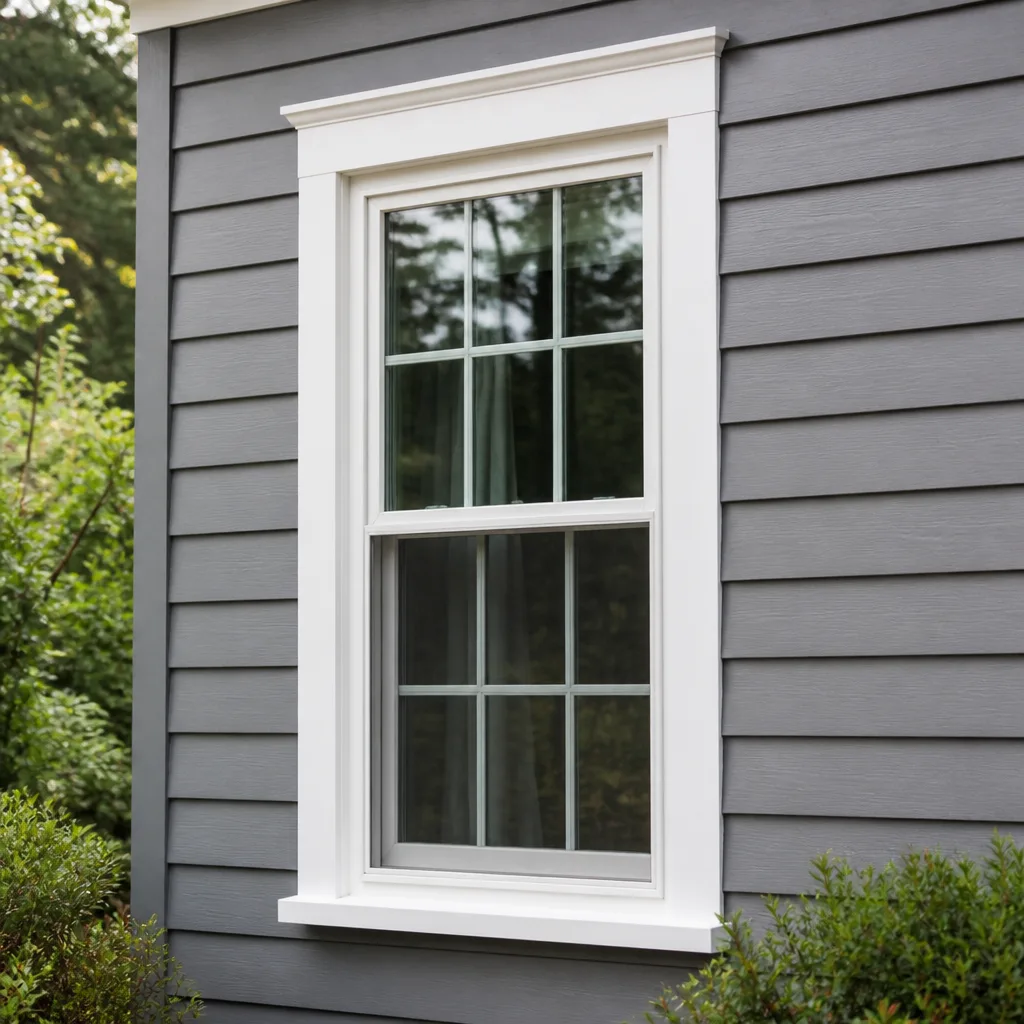 Double hung
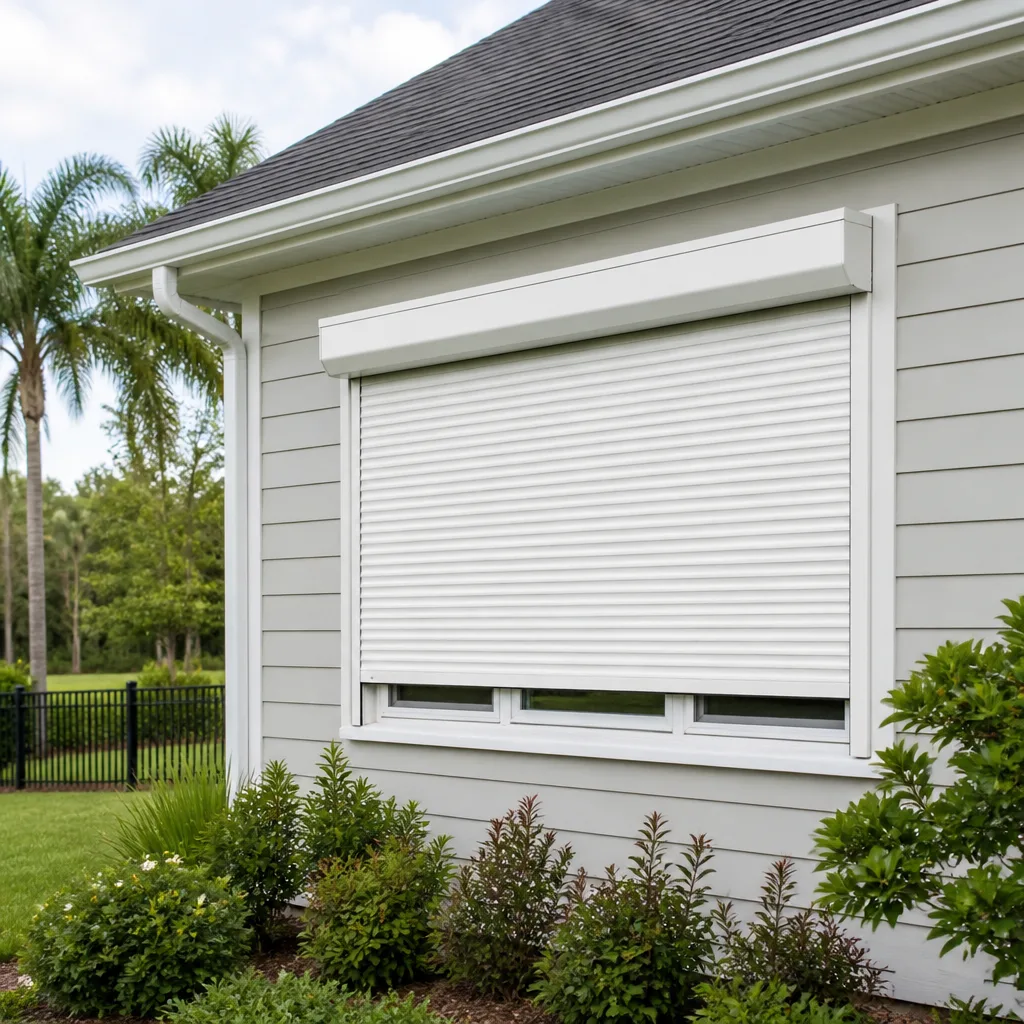 Horizontal roller
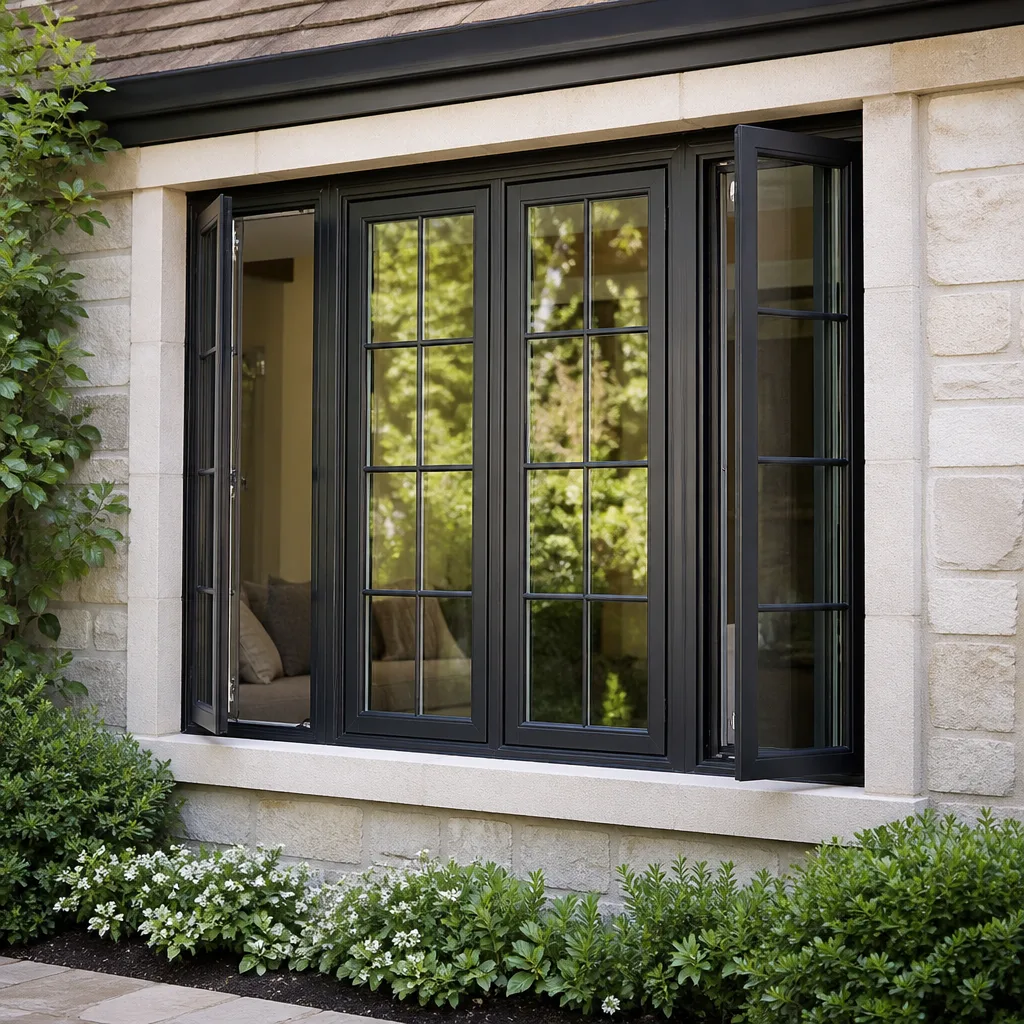 Casement
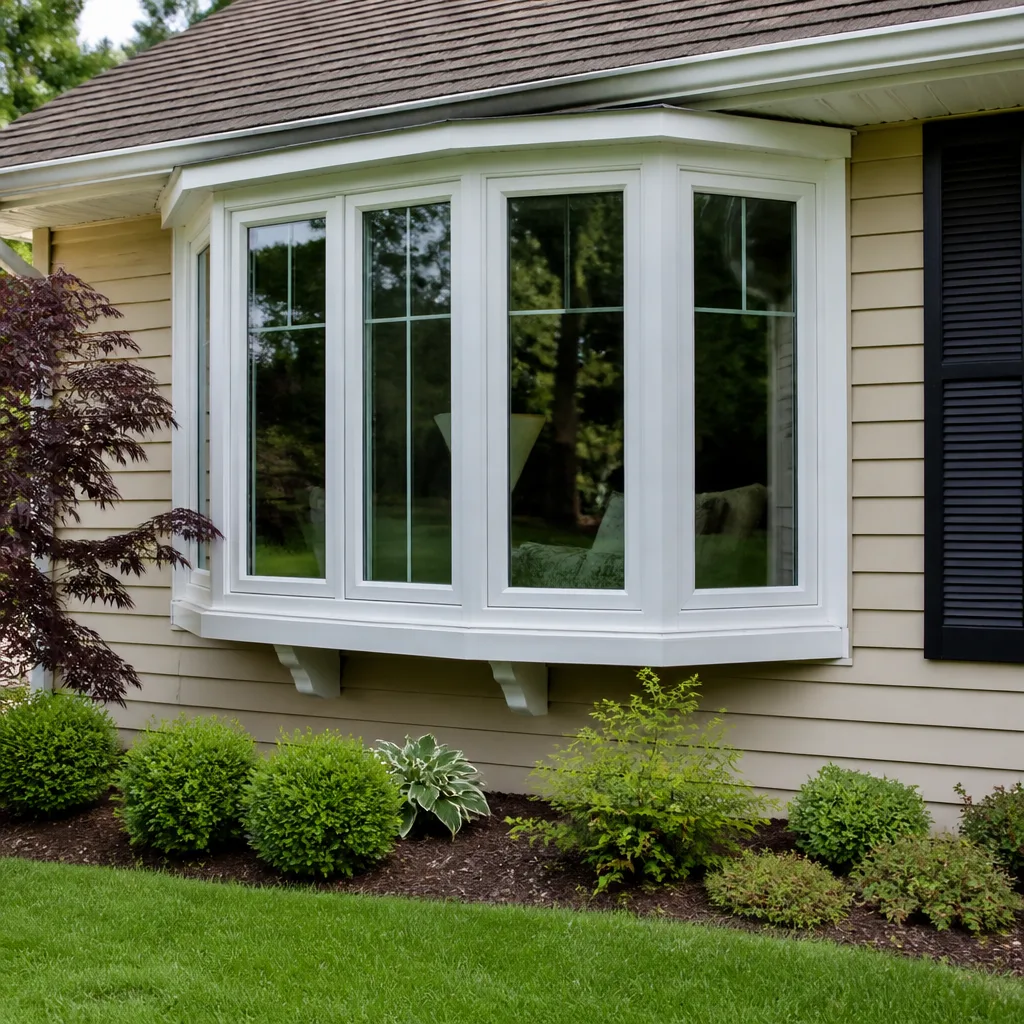 Bay & bow
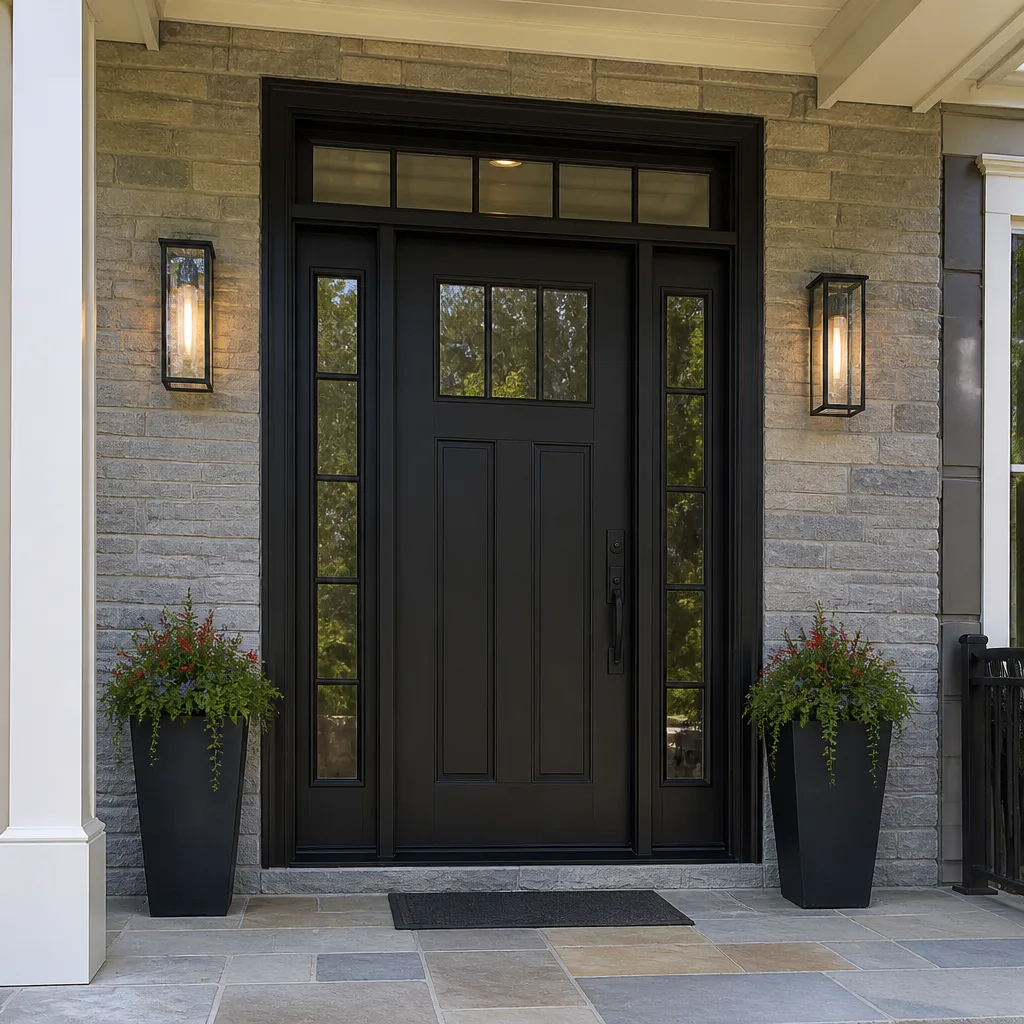 Entry doors
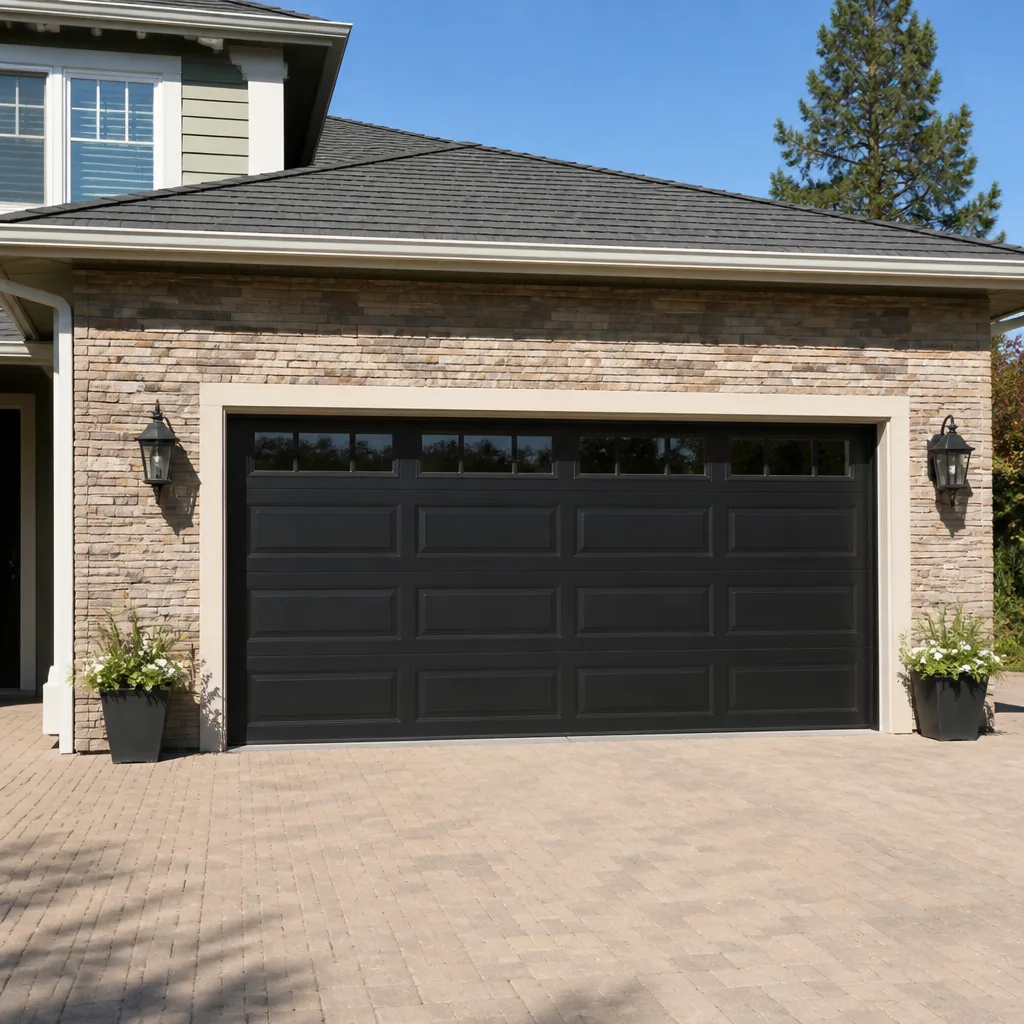 Impact garage doors
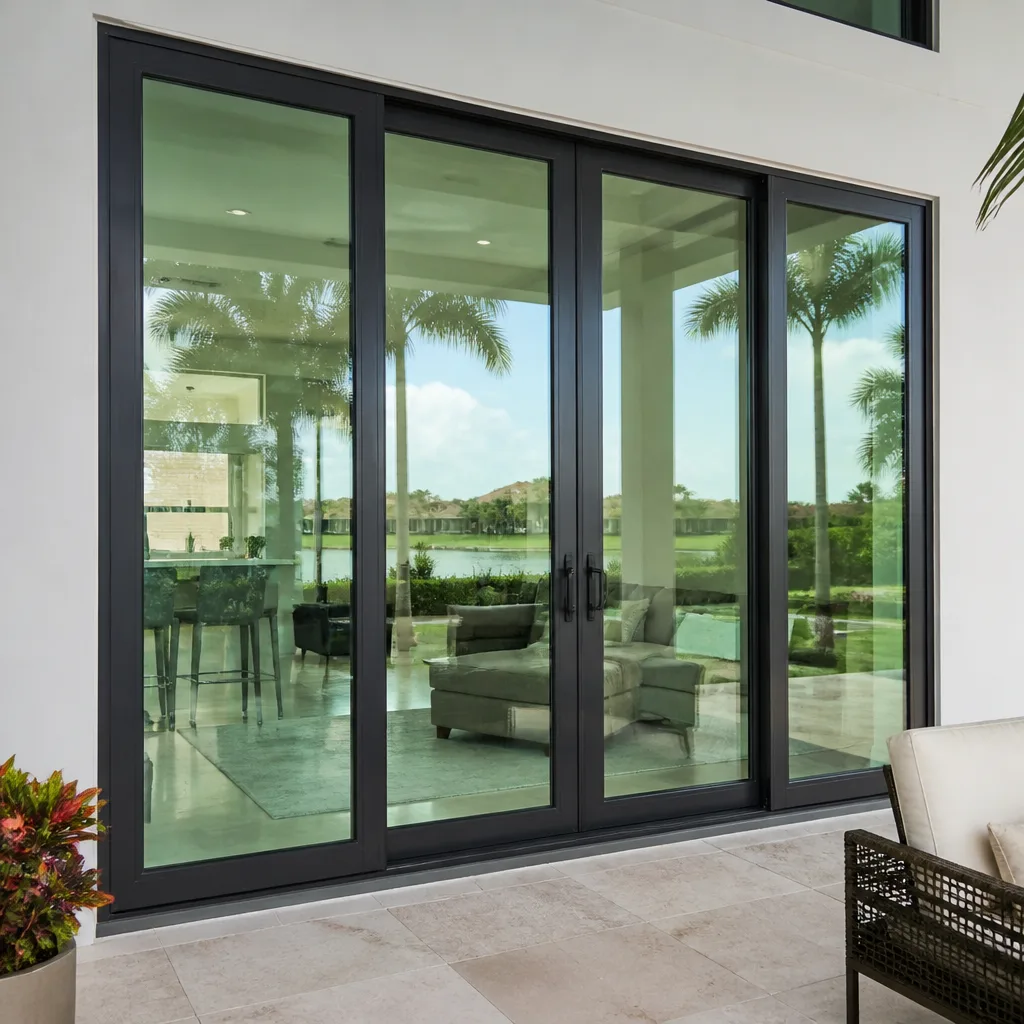 PGT
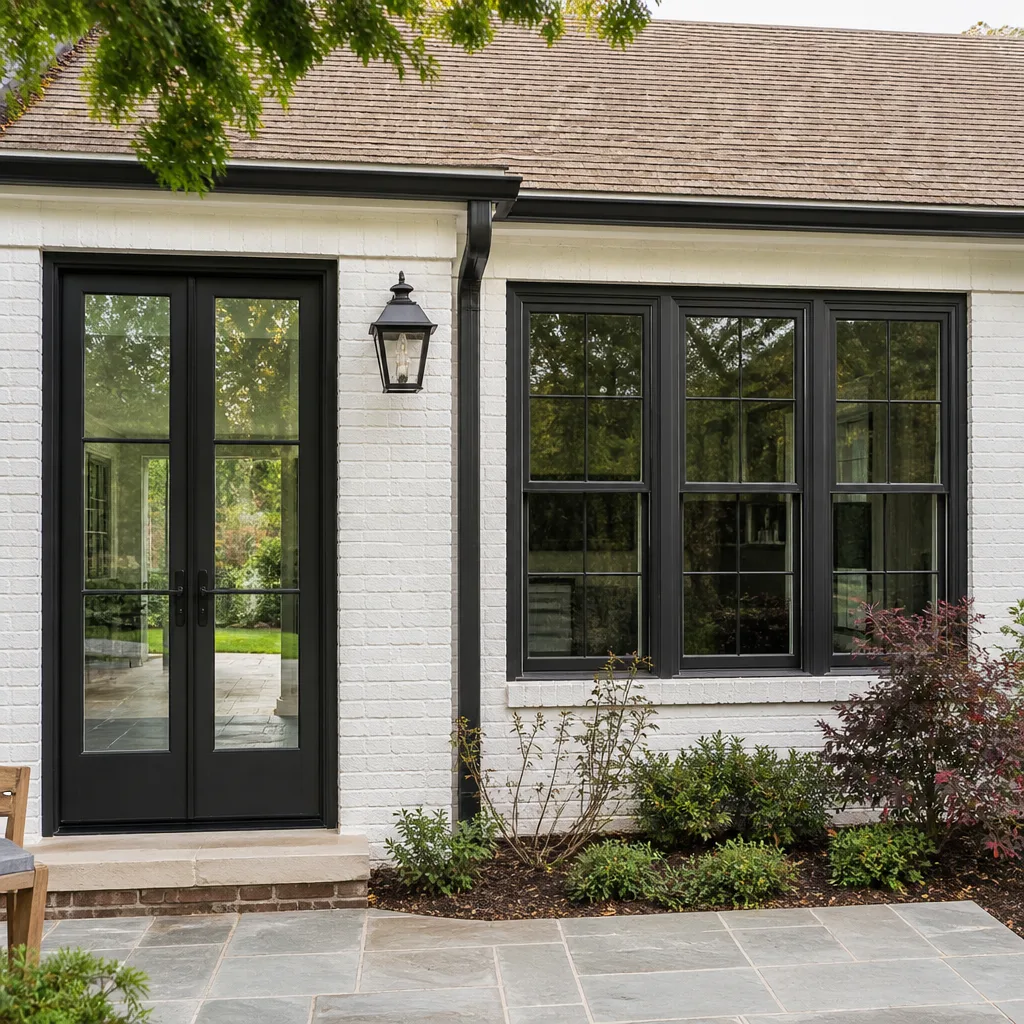 CGI
Free in-home measure and quote - PGT, CGI and CWS impact lines compared on your actual openings, style by style
Get your free estimateHow to Hire a Windows & Doors Contractor in Las Vegas: A Step-by-Step Guide
Most homeowners hiring a window or door contractor in Las Vegas worry about the wrong thing. They worry about catching an unlicensed operator, which is real, but the harder problem is subtler: hiring a general contractor who treats windows and doors as one line item among many. In that arrangement, the product often gets specced by markup and markup alone, not by which window actually handles the summer heat, the wind, and the low winter sun on that particular wall. What follows is a practical, step-by-step method for choosing a specialist in Las Vegas, from checking a license on the state database to reading a quote line by line.
Quick Answer
To hire a windows and doors contractor in Las Vegas, verify the contractor’s license on the Nevada State Contractors Board (NSCB) website, confirm active insurance and bonding, check that the license covers glazing or the specific work being done, and get a written, line-item quote that names the product, glass package, and hardware. Hire a specialist whose crews install windows and doors every day, not a general contractor who subs the work out, and read the contract for permit responsibility and warranty language before signing.
Styles & brands we work with
- Single hung
- Double hung
- Horizontal roller
- Casement
- Bay & bow
- Sliding glass doors
- Entry doors
- Impact garage doors
- PGT
- CGI
Table of Contents
- How do you verify a Las Vegas windows and doors contractor?
- Does a window and door contractor need a Nevada specialty license?
- Why does a glazing specialist beat a general contractor?
- What five questions reveal whether a company recommends by fit?
- What are the Las Vegas hiring red flags?
- How do you read a window and door quote line by line?
- How does Las Vegas climate affect window and door specs?
- What should you do before you sign?
How do you verify a Las Vegas windows and doors contractor?
You verify a contractor by checking the Nevada State Contractors Board (NSCB) database directly, not by taking a business card’s word for it. The NSCB is the state agency that licenses contractors in Nevada, and the database is public and free to use. Pull up the license, read the specific fields, and compare them to what the company told you. It takes five minutes and catches problems that no amount of polite sales talk can fix.
Here’s what to look at on each record:
- License status: Confirm the license shows as active. An “expired,” “suspended,” or “revoked” status means the company cannot legally contract for the work.
- License classification: This is the category code that tells you what the contractor is actually licensed for. Window and door work in Nevada generally falls under glazing specialty (a C-3 classification) or a general contractor classification (B-2). The classification matters more than homeowners realize, and we’ll explain why in a later section.
- Business name and DBA: The name on the license must match the name on your contract. If a company quotes you under one name but the license is under another, ask why before signing.
- Qualifying party: Every licensed contractor in Nevada has a “qualifying party,” the individual who passed the exam and holds the license on behalf of the business. You don’t need to meet them, but the name should be present and current.
- Insurance and bonding: Nevada requires licensed contractors to carry general liability insurance and a contractor’s bond. The record should reflect active coverage. If your quote involves door installation, ask specifically whether the liability policy covers the scope of work you’re buying.
- Complaint history: The NSCB record may show disciplinary history. A single complaint isn’t automatically disqualifying, but a pattern is worth noting.
Before a single window is ordered, get a written quote from a licensed window replacement contractor and check the license. If you’re comparing multiple bids, save the NSCB records side by side. It’s the fastest way to weed out a company you don’t want on your home.
Does a window and door contractor need a Nevada specialty license?
In most cases, yes, and that’s the licensing detail that catches most homeowners off guard. Nevada’s board issues licenses across dozens of classifications, and they are not interchangeable. A B-2 general contractor classification is broad, but window and door installation is glazing work and generally falls under the specific glazing specialty. When a company tells you “we’re licensed,” ask them for a classification number and look it up. Licensed and insured should mean something verifiable, not a phrase in a brochure.
Here’s why the distinction matters in practice:
- Warranty liability follows the license. If a general contractor subs your window install to an unlicensed crew, and the install fails six months later, your recourse often lands between two parties pointing at each other. A specialist who holds the license and installs with their own crew has nowhere to point.
- Code knowledge is more specific. Las Vegas is in a high-wind region and an energy-code environment that changes with every cycle. A glazing specialist works in those requirements every week. A general contractor who does a window job once a season often doesn’t.
- Permits get pulled correctly. Most window replacements and most door replacements require a permit from your local building department, and the permit is typically pulled by the contractor doing the work. If the licensed classification doesn’t clearly cover the scope, the permit can be denied or the work can fail final inspection.
- Insurance covers the right work. A liability policy written for general construction may not automatically extend to glazing installation with glass on a ladder.
For the same reason, we always tell homeowners to ask the contractor to pull the permits and to show you the inspection sign-off when the job closes. Permits pulled and inspections passed is how a job stays clean if you ever sell the home.
Why does a glazing specialist beat a general contractor?
A glazing specialist installs windows and doors every day; a general contractor does windows once in a while and subs the work out. That’s the whole difference in a sentence, but the consequences run deeper than most homeowners expect. In Las Vegas, where homes see extreme summer heat, intense UV, seasonal wind, and a lot of older housing stock with aging single-pane windows, the product has to be specified for the home. A general contractor buying through a sub has less influence over which product actually fits.
Here’s what that looks like on a real project:
- Crews who do one thing. Our technicians have up to 10 years of experience, and every day of it is on the same product category, not split between roofing, drywall, and windows. Skill is repetition. A crew that sets 20 windows a week knows the details that a crew setting 20 windows a year will miss.
- Access to multiple product lines. At Jasper Windows & Doors, we carry eight manufacturer lines, including PGT, CGI, CWS, ES Windows, ECO Window Systems, Mr-Glass, Therma-Tru, and ViewLux. When a company only sells one brand, that brand is the recommendation regardless of your home. When they carry eight, they can compare specifications side by side.
- Impact-rated options where they matter. Some homes in the Las Vegas valley sit in wind zones or require storm-rated assemblies for code compliance. A specialist knows when those products are required and when they’re overkill. A generalist often doesn’t ask the question.
- One contract, one call. We handle replacement, new installation, and door installation under one roof, so you aren’t coordinating a GC and two subs for a single exterior upgrade.
If you’re weighing options on a specific project, window installation and door work is what we do all day, every day. That focus shows up in the details.
What five questions reveal whether a company recommends by fit?
Ask these five questions in your first meeting, and the answers will tell you whether you’re dealing with a specialist or a vendor. The goal isn’t to trip anyone up, it’s to hear how they think. A company that knows its products gives specific answers. A company selling inventory gives generalities.
- “Can you show me two products that would fit this wall, and why you’d pick each one?” A specialist compares. A single-brand dealer has one answer. We carry enough lines to give you an honest comparison, and we expect to be asked for one.
- “What glass package are you quoting, and why does it fit my exposure?” Las Vegas windows see fierce sun on south and west walls. A specialist answers with a specific glass package and explains how it manages heat gain. A generalist often can’t describe the glass beyond a brand name.
- “Do these windows meet the wind-load requirements for my address?” The answer should reference the actual requirement for your location, backed by the product’s documentation. “They’re all fine” is not an answer.
- “Does your quote include permit, inspection, removal, haul-away, and finishing?” A specialist lists each line. A generalist often doesn’t because the sub handles some of it, and that scope easily drifts.
- “If I call service in three years, who comes out?” Ask for the name of the entity that performs the work and the entity that stands behind the warranty. A specialist answers with one name. A sub-based operation often has two or three, and the picture gets murky fast.
The pattern in the good answers is consistency: the same company across the quote, the install, and the follow-up. When you hear “we” referred to as one team, you’re likely talking to a specialist.
What are the Las Vegas hiring red flags?
Las Vegas has some genuinely local patterns worth knowing before you shop. The three below come up repeatedly, and they tend to surface right after extreme weather, when homeowners are already anxious and short on time. Slow down if any of them appear.
Storm-chaser crews who appear after heat waves and wind events
After a hard summer or a strong wind event, unlicensed crews drift through neighborhoods offering fast window or door work. They often knock on doors, quote on the spot, and ask for a large deposit. The license check is your first line of defense: any contractor who can’t produce an NSCB license that checks out is a person you should not let through your front door.
Bait-and-switch energy-rebate pitches
Some sales pitches lead with rebates and government programs, then shift the spec once you’ve signed. Ask for the quote to be written entirely without reference to any rebate or program, with the actual product, price, and scope spelled out. Then, separately, ask whether the product would qualify for any program. We don’t promise any rebate; if a program exists, it’s your utility’s to confirm, not a contractor’s to guarantee.
Vague “manufacturer warranty” language
“Manufacturer warranty” is not a specification. Ask what it covers, how long it runs, whether labor is included, and whether the warranty is transferable to a future owner. The written contract should name the manufacturer, the model, and the warranty terms in plain language. If a quote says “full manufacturer warranty” and nothing else, ask for the specifics in writing before signing.
How do you read a window and door quote line by line?
A legitimate window and door contract is long because it names things. A low-ball bid is short because it omits them. Learn the difference once, and you’ll spot a weak quote faster than a sales pitch can hide it. Here’s the anatomy of a quote you should expect, and the omissions that signal trouble.
What a legitimate contract includes
- Manufacturer and model, by line item. Each opening should be listed with the manufacturer (for example, PGT, CGI, CWS, ViewLux, or Therma-Tru for a door), the specific product series, and the size.
- Glass package details. Low-E coating, argon fill, and any impact-rated or energy-efficient designation spelled out per window or door.
- Frame material and color. Vinyl, aluminum, or wood should be named, along with the finish.
- Hardware and door locks. For a Therma-Tru entry door, the lockset, hinges, sill, and finish are all legitimate line items.
- Removal and haul-away. Old windows and doors come out. The dumpster or hauling should be on the quote.
- Permit cost and responsibility. The permit should be named, with the contractor named as the party pulling it.
- Installation methods and finishing. Flashing, sealing, interior trim, and exterior finishing should be listed as scope, not implied.
- Schedule and payment terms. A legitimate quote gives an installation window and a payment structure tied to milestones, not a single deposit up front for the whole job.
- Warranty details. Both the manufacturer warranty and any workmanship warranty should be separately described.
- Change-order handling. A good quote states how any change to the scope will be priced. At Jasper Windows & Doors, we give written, line-item quotes with fixed pricing and no change orders on scope we’ve already specified.
What a low-ball bid omits
- Permit and inspection cost, pushed to the homeowner later.
- Glass specification beyond a brand name.
- Removal or haul-away of old units.
- Interior trim or exterior finishing.
- Any warranty, or the word “manufacturer” with no details.
- An installation schedule, or one that assumes installers will be brought in from elsewhere.
A low-ball bid isn’t cheap by accident. It’s cheap because it removes work from the scope, and you’ll be asked to pay for the missing pieces later. The written estimate sets the final price, so if a finish or a permit isn’t in the estimate, it isn’t in the price either.
How does Las Vegas climate affect window and door specs?
Las Vegas homes live through real heat, real UV, and real seasonal wind, which means the product has to be specified for those conditions. A window that’s fine in a mild climate may be genuinely wrong for a west-facing wall in the valley. Door assemblies have their own requirements, particularly around sealing against summer heat and winter cold snaps. A specialist specifies for the climate, not for the catalog.
Here’s how the climate plays into the choice:
- Solar exposure is uneven wall to wall. South and west-facing glass takes the most sun, so it usually justifies the stronger glass package. North-facing glass may not need the same treatment. A specialist grades the recommendation by exposure, not by a single blanket spec for the whole house.
- Wind is a real factor in parts of the valley. Certain areas experience stronger gusts and load ratings that matter for both performance and, in some cases, code compliance. Impact-rated options from PGT, CGI, or ECO Window Systems make sense where they’re required. Where they aren’t, we say so.
- Older housing stock. Many Las Vegas neighborhoods have housing from across multiple decades, and the older homes often carry single-pane aluminum assemblies that are decades past their intended service life. The replacement scope is dictated by what’s there now.
- Doors face the same forces. A Therma-Tru entry door is chosen as much for how it seals against heat and wind as for how it looks from the curb. The right door with the wrong weatherstripping is the wrong door.
- Dust and monsoon-season rain. Sealing detail matters more here than in milder climates. Failures usually start at the weatherstripping and flashing, not the glass.
If you’re not sure which product fits your home, the answer is comparison, not a leap. And if you’re considering multiple contractors, ask each one to explain why a specific window or door suits your specific wall. The answer tells you everything.
What should you do before you sign?
Before signing, three checks are worth doing: verify the NSCB license, confirm insurance and bonding, and read the quote line by line against the checklist above. Any contractor worth hiring will welcome those checks. Here’s the practical sequence we recommend for anyone shopping in Las Vegas.
- Collect two or three quotes. Not one. Comparison is how the spec becomes clear.
- Check every license. Confirm active status, classification, business name, and insurance on the NSCB database.
- Ask the five questions. Compare how each company answers. The specialist answers are specific.
- Read the quote line by line. Use the checklist in this guide to spot the omissions.
- Confirm permits. Ask which permits will be pulled, who pulls them, and how the inspection will be handled.
- Confirm who performs the work. It should be the same entity you’re signing with, not a sub brought in later.
- Get the warranty in writing. Manufacturer and workmanship, separately.
- Ask about the service area and hours. Confirm the contractor actually serves your address before going further.
That’s the whole method. It takes a couple of hours of work, and it protects a purchase you’ll live with for decades. For a Las Vegas home, that trade is worth it every time.
Common Mistakes to Avoid
- Hiring on price alone. A cheap bid usually leaves out permits, removal, trim, and finishing. The final price is what the estimate says, so a low estimate with missing scope isn’t a bargain.
- Skipping the NSCB check. A homeowner who assumes a license is fine because the truck has a logo has skipped the only check that matters. Log on, pull the record, and read it.
- Accepting “licensed and insured” as a sentence. Ask for the classification and read the insurance status on the state record. “Licensed” is a word; a classification is a fact.
- Not asking who performs the install. A general contractor who subs window work to whoever is available loses control over quality. Ask for the answer in writing.
- Ignoring the glass spec. On a Las Vegas home, the glass package determines how comfortable the room actually is. A brand name without a spec isn’t a decision.
- Skimping on the door seal. Door failure is often a weatherstripping and flashing problem, not a panel problem. Ask how the seal is specified.
- Paying the entire balance up front. Payment tied to milestones protects both sides. A company that asks for everything up front before material is ordered deserves more questions.
- Believing a rebate pitch from the contractor. Rebates and programs are between you and the utility or the program, not something a contractor should guarantee. Buy the product for the product.
See the difference
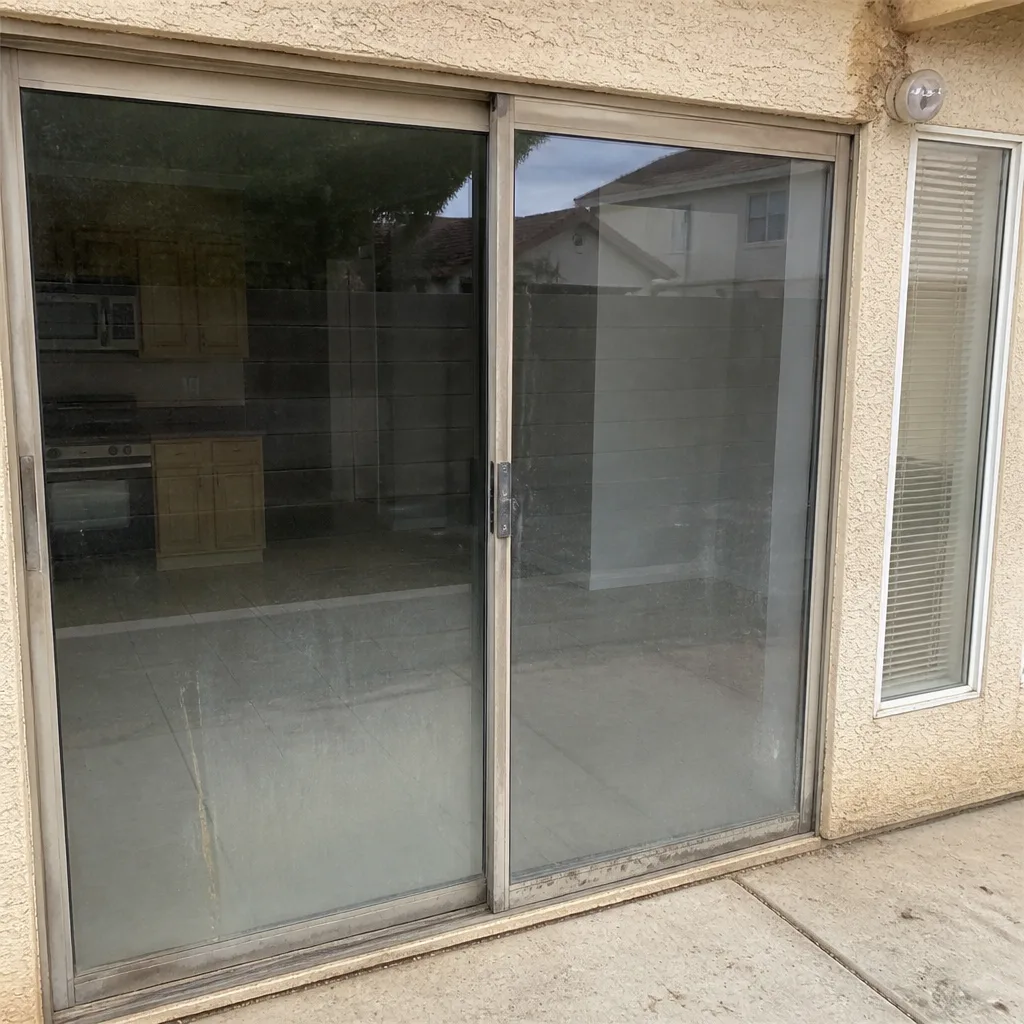 Before
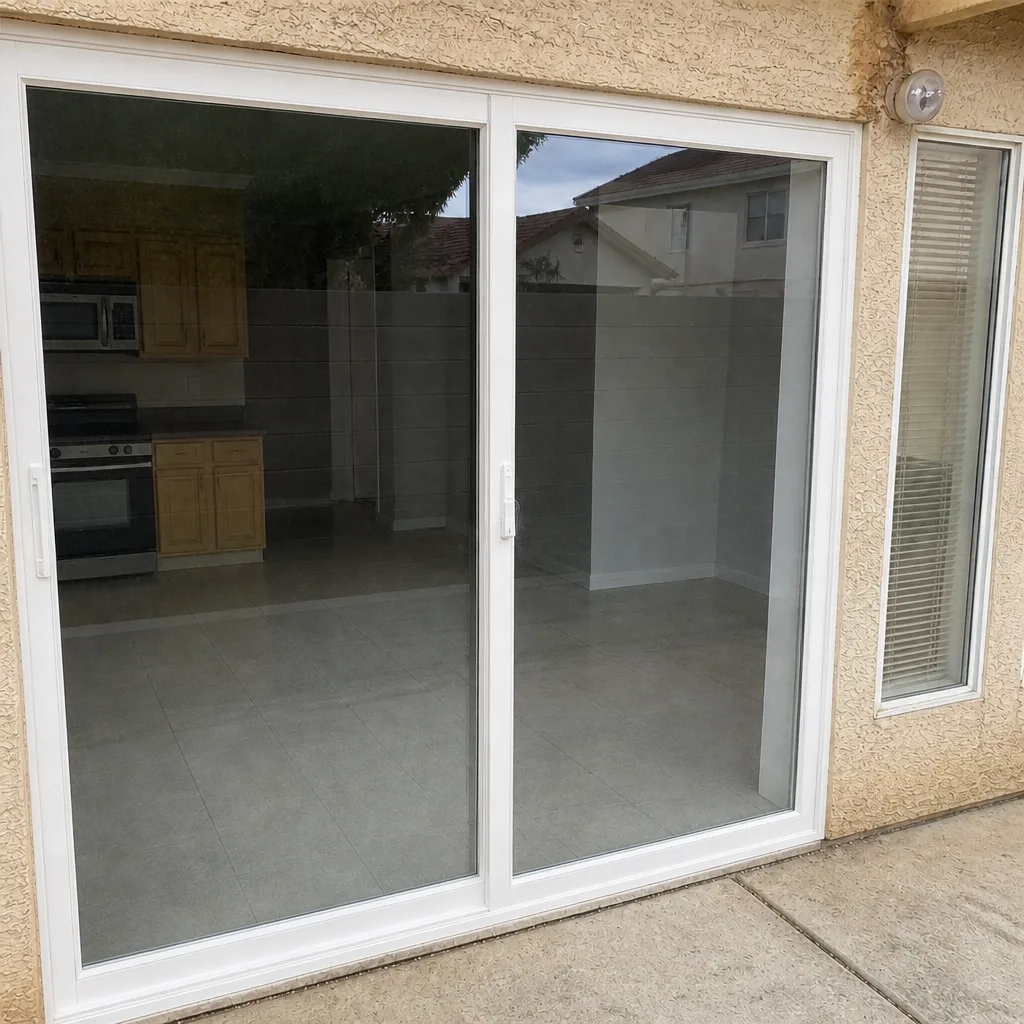 After
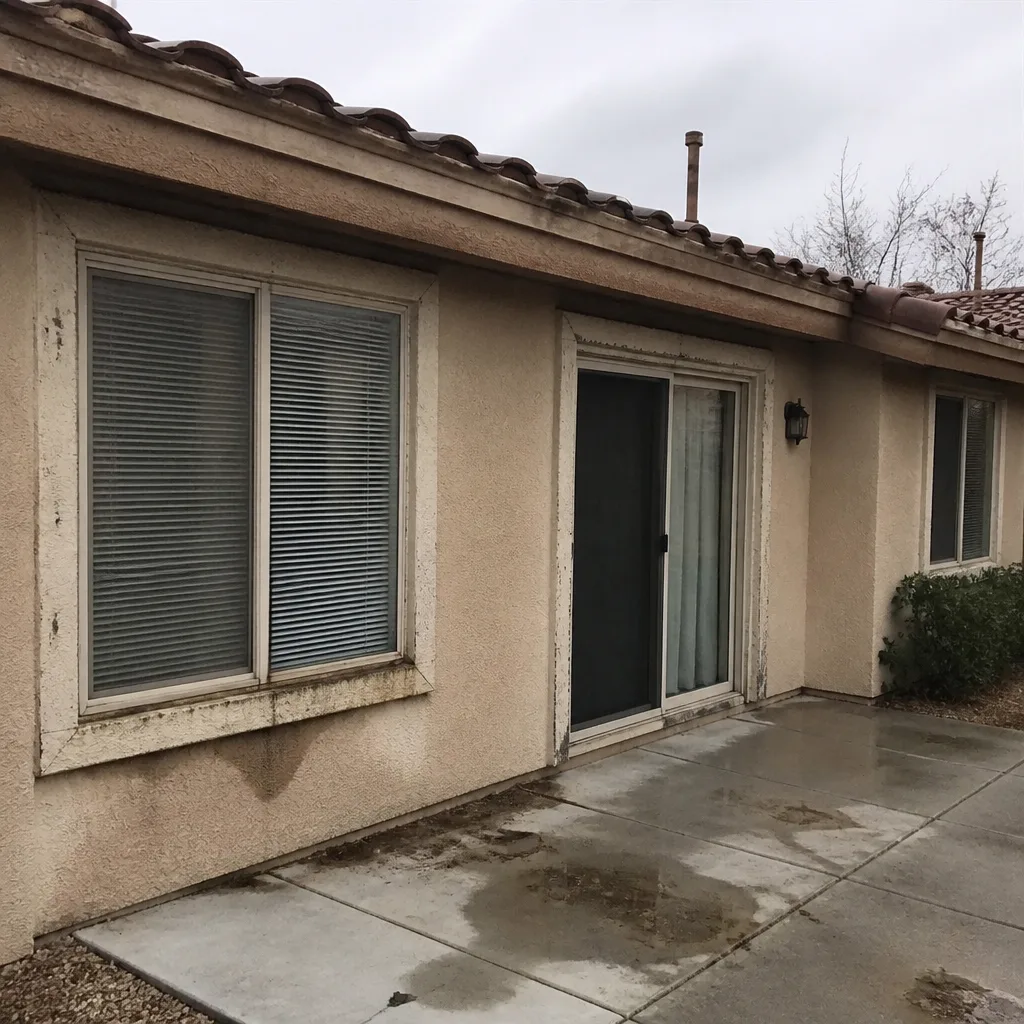 Before
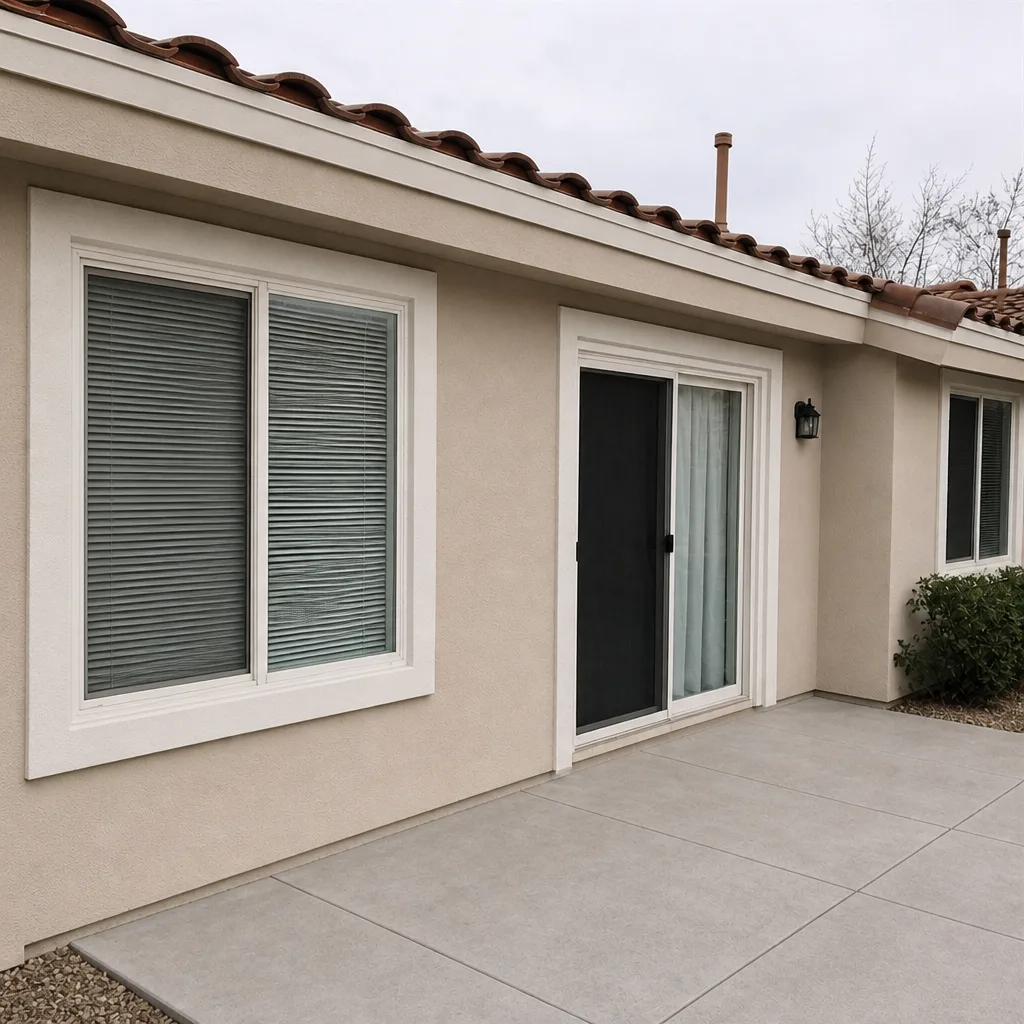 After
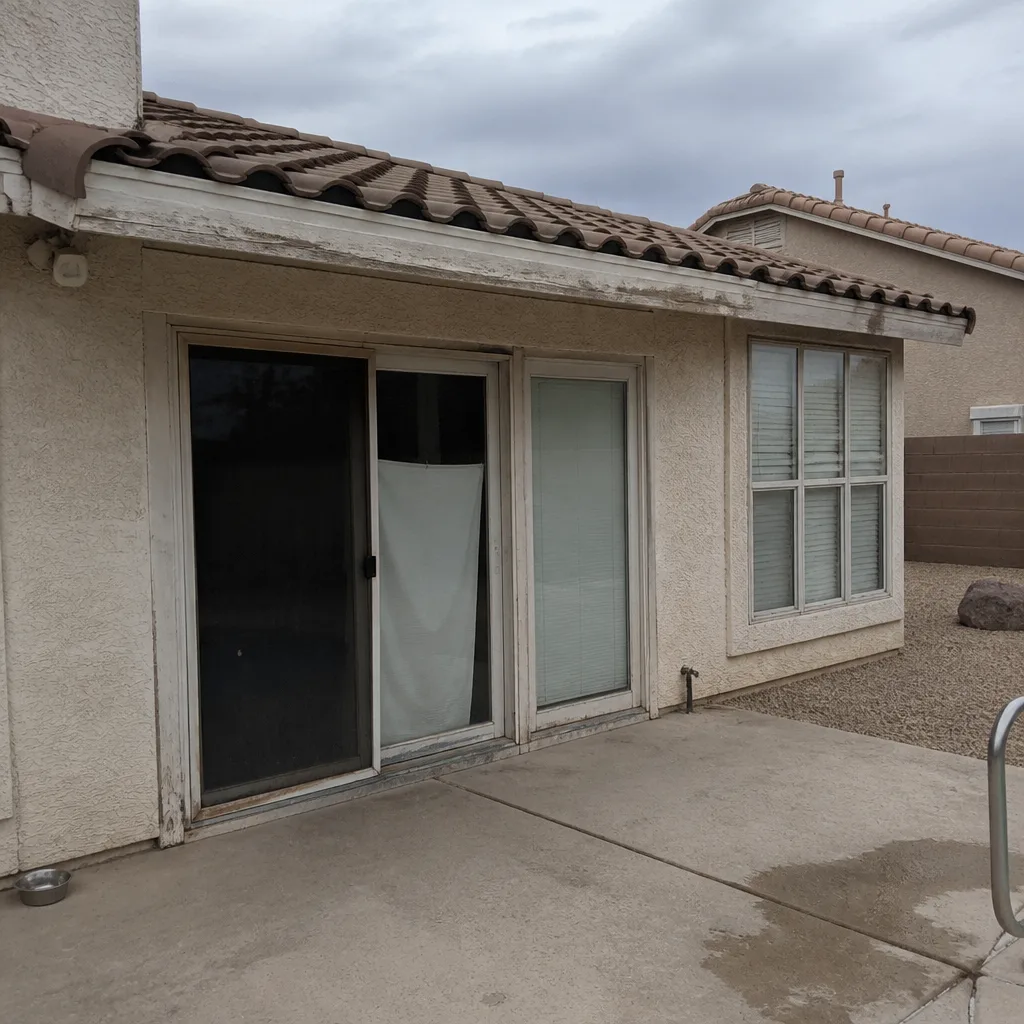 Before
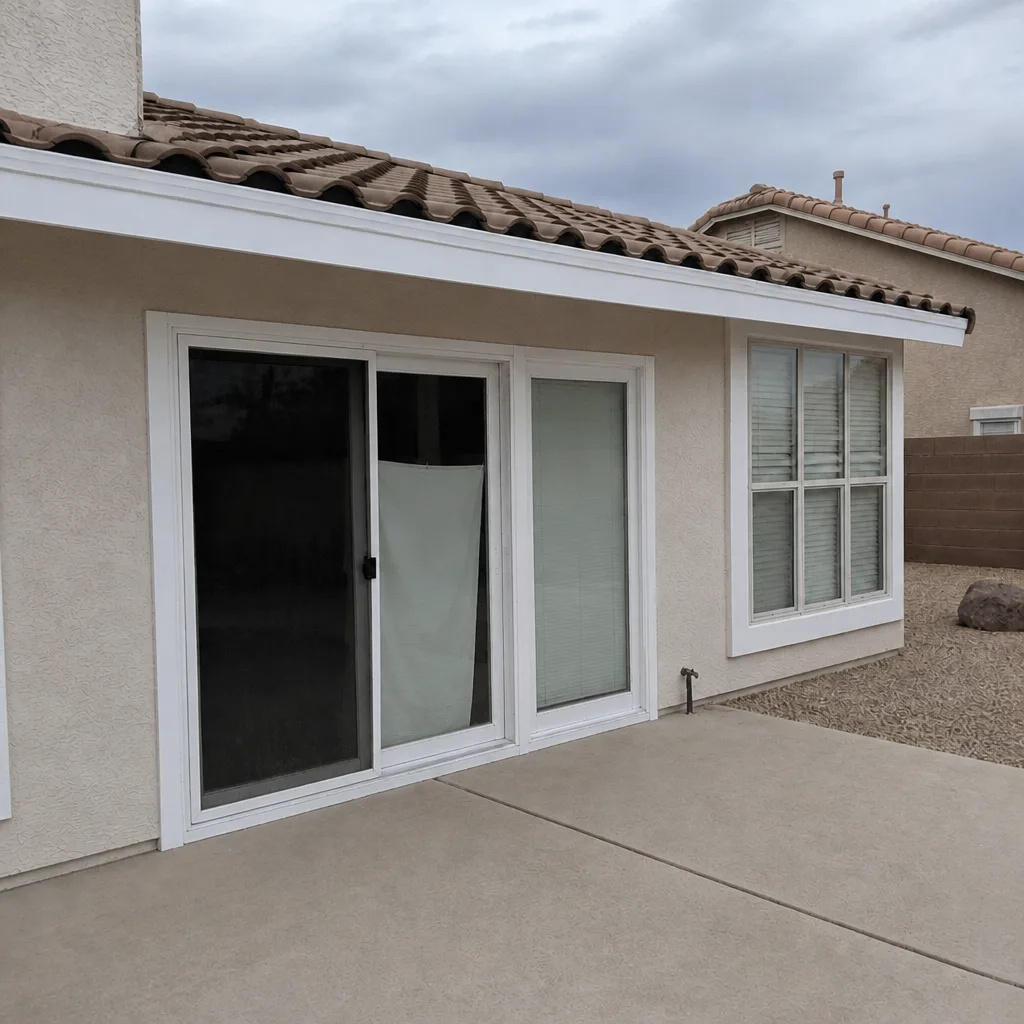 After
When to Call a Professional
Some window and door conditions get worse fast, and some are a safety issue from day one. Broken or foggy glass, windows or doors that no longer latch, drafts at the frame, water intrusion after monsoon rain, cracked frames, and doors that no longer close squarely in their frame are all reasons to call. Impact damage after wind events is worth an inspection even when damage isn’t obvious. Multi-story windows, large sliders, and heavy entry doors are installation work, not something a homeowner should take on alone. And the front door on a home you’re securing is a lock and structure issue, not a cosmetic one. Jasper Windows & Doors offers free estimates in Las Vegas. Call (844) 761-6772. We answer 24/7. Fast dispatch from 7am to 7pm, Sunday through Friday.
Frequently Asked Questions
You check a window contractor’s license on the Nevada State Contractors Board (NSCB) public database. Confirm the license is active, that the classification covers the work (glazing specialty for most window and door installation), that the business name matches your contract, and that insurance and bonding are current. The record is free to look up and takes a few minutes. Call (844) 761-6772 for a free estimate once you’ve done the check.
Most window replacements and most door replacements in Las Vegas require a permit from the local building department, so ask your contractor to pull it and confirm this with your city’s building department before the work starts. A licensed contractor typically pulls the permit themselves. If a contractor suggests skipping it, that’s a reason to look elsewhere. Call (844) 761-6772 to schedule a free estimate and we’ll walk you through what typically needs permitting.
A glazing specialty license (C-3 in Nevada) covers glazing work specifically, while a general contractor license (B-2) covers broad building work. For window and door installation, the specialty matters because the crew does this work every day, the warranty stays with the licensed entity doing the install, and the code knowledge is more current. A general contractor may sub the work, which changes who’s actually responsible. Call (844) 761-6772 for a free estimate with a specialist team.
Window replacement pricing in Las Vegas is set per job by a written estimate, because the cost depends on window size, count, glass package, frame material, and whether the home needs impact-rated or energy-efficient assemblies for code compliance. We don’t quote a flat price over the phone. The written, line-item estimate you receive is what sets the final price. Call (844) 761-6772 to schedule your free estimate.
A quote is likely too low if it omits permits, removal and haul-away, interior trim, exterior finishing, a specific glass spec, or warranty details. A legitimate window and door contract lists each opening by manufacturer and model, plus finishing and permit responsibility. A low-ball bid removes scope, and you pay for those pieces later. Call (844) 761-6772 to compare a written, line-item quote before you commit.
A door installation contract should name the manufacturer (for example Therma-Tru), the door model and size, the lockset and finish, the sill and weatherstripping, the trim and finishing scope, permit and inspection responsibility, and the warranty terms for both the door and the installation. Sealing against Las Vegas heat and wind is part of the spec, not an add-on. Call (844) 761-6772 for a free estimate on door installation work.
The Bottom Line
Hiring a windows and doors contractor in Las Vegas comes down to five moves: check the NSCB license and classification, confirm active insurance and bonding, hire a glazing specialist rather than a general who subs, ask the five comparison questions, and read the quote line by line for permits, glass spec, finishing, and warranty. A specialist with access to multiple product lines can match your home to the right window or door rather than the one on the shelf. That’s the whole point of choosing a specialist in Las Vegas.
Ready to compare products for your home? Call (844) 761-6772 for a free estimate. We answer 24/7. Fast dispatch from 7am to 7pm, Sunday through Friday. Written, line-item quotes, fixed pricing with no change orders, permits pulled and inspections passed, and workmanship you can hold to.
Written by the team at Jasper Windows & Doors.